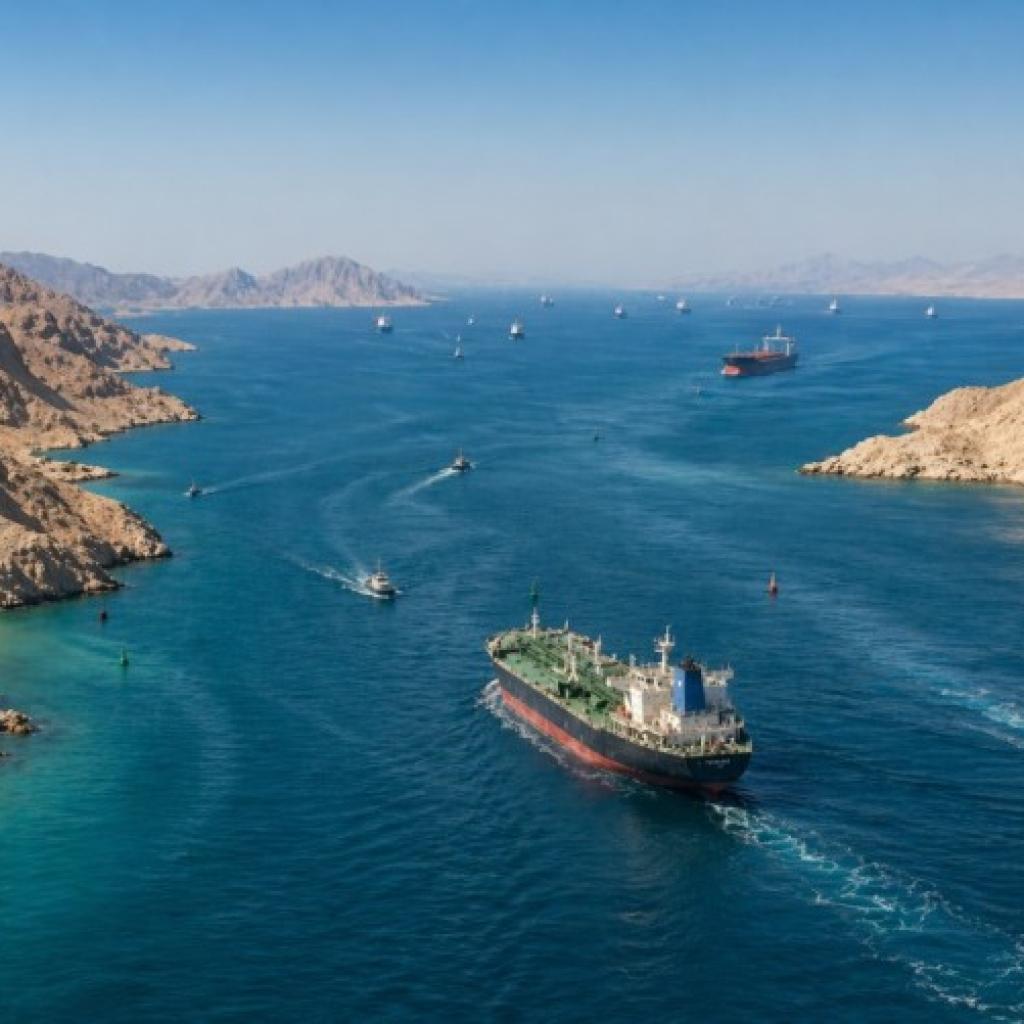
A vital chokepoint under pressure
The Strait of Hormuz has long been the backbone of global oil trade, handling a significant share of crude exports from Gulf countries. Any disruption here has immediate consequences for global energy supply, especially for major Asian importers.
With recent geopolitical tensions affecting shipping through the strait, countries in the region are actively exploring backup routes to maintain exports and reduce dependence on a single, vulnerable passage.
Key pipelines offering immediate alternatives
Gulf producers are relying on existing pipeline infrastructure to bypass the Strait of Hormuz. These routes, while critical, have limited capacity compared to the volume normally transported through the strait.
One of the most important alternatives is Saudi Arabia’s East-West Pipeline, which carries crude oil from eastern oil fields to the Red Sea port of Yanbu. This allows exports to reach global markets without passing through the Gulf. The pipeline can handle millions of barrels per day, making it a key strategic asset during disruptions.
The UAE’s Habshan–Fujairah pipeline is another major route. It connects inland oil fields to Fujairah on the Gulf of Oman, completely bypassing Hormuz. This pipeline enables the UAE to continue exports even when maritime routes are under threat.
Iraq also has an alternative through the Kirkuk–Ceyhan pipeline, which transports oil to Turkey’s Mediterranean coast, offering access to European markets.
Ports and sea routes outside the Gulf
Beyond pipelines, Gulf countries are increasingly using ports located outside the Strait of Hormuz.
Fujairah in the UAE has become a critical export hub, as it sits on the Gulf of Oman, outside the chokepoint. Similarly, Saudi Arabia’s Red Sea ports allow shipments to move toward Europe via the Suez Canal or toward Asia through longer sea routes.
Oman’s ports, including Duqm and Salalah, also provide alternative access to global markets without entering the strait. However, these routes are not entirely risk-free, as regional conflicts have already exposed vulnerabilities in surrounding areas.
Future pipeline projects under discussion
To strengthen long-term energy security, several new projects are being considered:
- Iraq–Jordan pipeline to the Red Sea
- Iraq–Oman connection to the Arabian Sea
- Expanded regional pipeline networks linking Gulf producers to global markets
- Large-scale trade corridors connecting the Middle East with Europe and Asia
These projects aim to reduce reliance on Hormuz by creating diversified export channels. However, most remain in planning stages due to political, financial, and logistical challenges.
Limits of current alternatives
Despite these efforts, existing alternatives cannot fully replace the Strait of Hormuz. The strait typically handles close to 20 million barrels of oil per day, while combined pipeline capacity is significantly lower.
Even when operating at full capacity, pipelines and alternative routes can only cover part of the supply gap. This means any prolonged disruption still has a major impact on global energy markets.
Security is another concern. Pipelines, ports, and shipping routes remain vulnerable to attacks, and insurance costs for tankers have increased in high-risk zones.
A long-term shift in energy strategy
The current situation is pushing Gulf countries to rethink their energy export strategies. There is growing investment in infrastructure that reduces reliance on single chokepoints and improves flexibility in global supply chains.
Experts believe that while the Strait of Hormuz will remain important, its dominance may gradually decline as countries diversify routes and strengthen alternative networks.
Conclusion
Backup routes are helping Gulf countries maintain oil exports during periods of disruption, but they are not a complete solution. Pipelines, alternative ports, and new infrastructure projects offer partial relief, yet the Strait of Hormuz continues to play a central role in global energy trade.
For now, the focus remains on balancing immediate supply needs with long-term investments—ensuring that future disruptions have less impact on global markets.
Source: Gulf News
Image: AI Generated