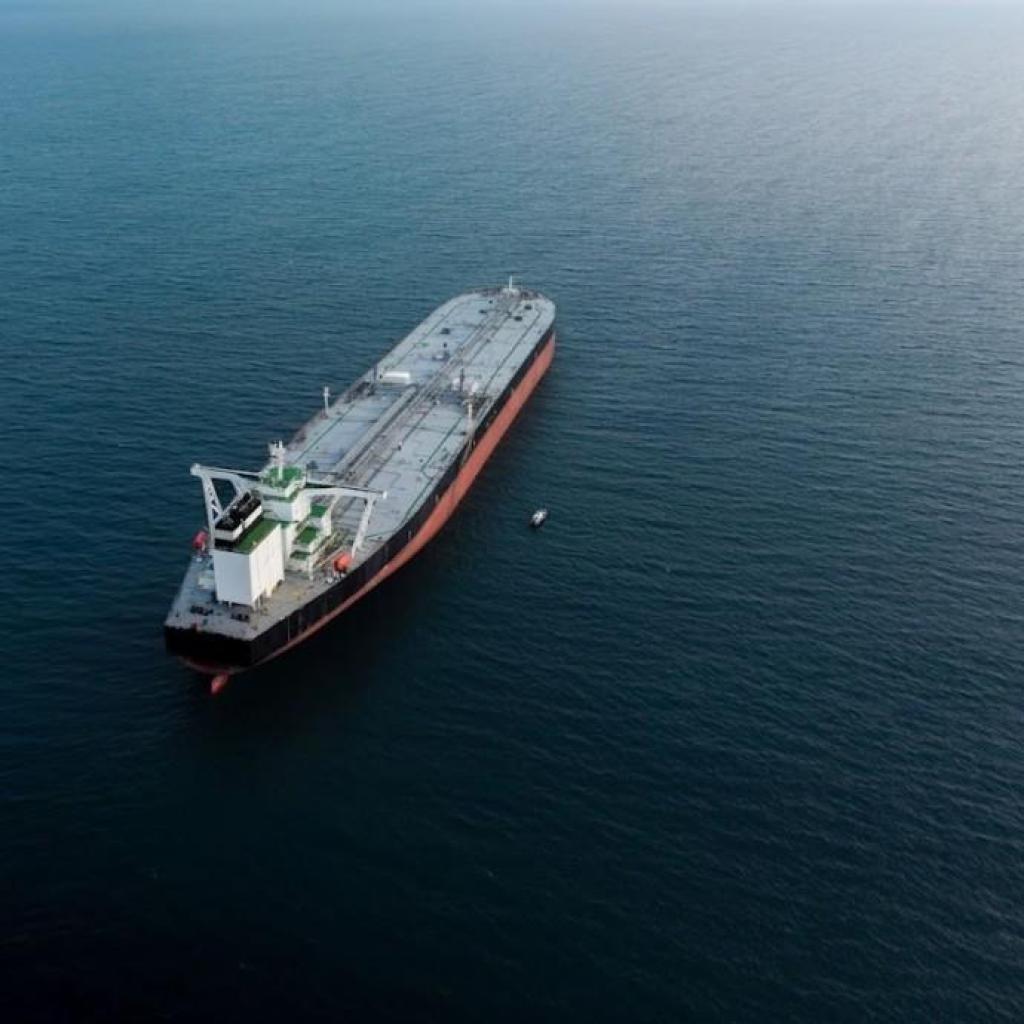
After weeks of disruption caused by regional conflict, global shipping operations between Asia and the Gulf are slowly returning to normal. China’s state-owned shipping giant COSCO has officially resumed cargo bookings to several Gulf countries, including the United Arab Emirates, signaling a cautious recovery in regional trade activity.
The decision comes after a temporary halt in shipping services earlier this month due to rising tensions linked to the ongoing Israel-Iran conflict. The disruption had significantly affected supply chains, with many companies unable to move goods across one of the world’s most important maritime routes.
Shipping Services Restart After Weeks of Disruption
COSCO, one of the world's largest shipping companies, confirmed it has resumed bookings for general cargo container shipments from Asia to Gulf Cooperation Council (GCC) countries. These include the UAE, Saudi Arabia, Bahrain, Qatar, Kuwait, and Iraq.
The company had earlier suspended these services due to escalating tensions in the Middle East, which led to restrictions on maritime traffic in key routes such as the Strait of Hormuz.
Now, with some easing of restrictions, the company is gradually reopening bookings. However, officials have made it clear that the situation remains unstable, and services could still be affected by how events unfold in the region.
Strait of Hormuz Key to Global Trade
The Strait of Hormuz plays a crucial role in global trade, acting as a major shipping route for oil, gas, and goods moving between Asia and the rest of the world. A significant portion of global energy supplies passes through this narrow waterway every day.
Due to the recent conflict, shipping traffic through the strait had slowed dramatically, with many vessels avoiding the route altogether. This created delays, increased shipping costs, and disrupted supply chains across multiple industries.
In some cases, shipping companies had to look for alternative routes or use nearby ports for cargo transfer, which added both time and cost to deliveries.
Iran’s Decision Helps Resume Shipping
One of the key reasons behind the resumption of bookings is Iran’s recent announcement allowing “non-hostile vessels” to pass through regional waters under certain conditions.
This move has helped reduce uncertainty for shipping companies and provided a level of assurance that cargo vessels can safely travel through the area. As a result, companies like COSCO are now beginning to restore their services step by step.
However, experts say the situation is still fragile, and any sudden escalation in tensions could once again disrupt shipping operations.
Impact on UAE and GCC Trade
The resumption of shipping bookings is expected to bring relief to businesses in the UAE and other GCC countries. These economies depend heavily on imports for food, consumer goods, and industrial supplies.
During the suspension period, delays in shipments had started to impact supply chains, with some businesses facing shortages or higher costs. The return of shipping services is likely to ease these pressures and help stabilize the flow of goods into the region.
It may also help reduce freight costs, which have increased due to limited shipping options and longer delivery routes.
Bookings Resume, But Uncertainty Remains
While bookings have resumed, COSCO has warned that all shipments will still depend on the evolving situation in the Middle East.
The company said that both booking arrangements and actual cargo movement may change if conditions worsen. This means businesses and logistics providers must continue to stay alert and plan for possible disruptions.
Some reports also suggest that shipping routes may be adjusted to avoid high-risk areas, with goods being transported through alternative ports and then moved by land to their final destinations.
Global Supply Chains Still Recovering
The recent conflict has highlighted how sensitive global supply chains are to geopolitical tensions. Even a short disruption in key routes like the Strait of Hormuz can have wide-ranging effects on trade, energy markets, and consumer prices.
The temporary halt in shipping services earlier this month affected not only Gulf countries but also global markets that rely on smooth maritime trade. Industries ranging from energy to retail felt the impact of delayed shipments and rising costs.
With services now resuming, there is cautious optimism that trade flows will improve in the coming weeks. However, experts warn that full recovery will depend on continued stability in the region.
A Gradual Return to Normal Operations
The restart of COSCO’s shipping bookings marks an important step toward restoring normal trade operations between Asia and the Gulf. Businesses across the UAE and GCC are expected to benefit as supply chains begin to recover.
At the same time, authorities and companies are continuing to monitor the situation closely. Any changes in regional security conditions could quickly affect shipping routes and logistics operations.
For now, the reopening of bookings offers a positive signal for the region’s trade and economy. But with tensions still present, the recovery is likely to remain gradual rather than immediate
Source: Khaleej Times