The ongoing US-Israel war on Iran has entered a critical phase, with US President Donald Trump indicating that a diplomatic breakthrough with Tehran could be reached soon. Speaking on Sunday, Trump claimed that recent developments in the month-long conflict have effectively resulted in regime change in Iran, suggesting that the leadership currently engaging with Washington is significantly different from the previous establishment.
According to Trump, the shifting political landscape in Tehran could open the door to negotiations that may ease tensions in the region. The conflict, however, continues to expand beyond Iran’s borders, with new strikes reported across the Gulf region and ongoing clashes involving Iran-backed groups in Lebanon.
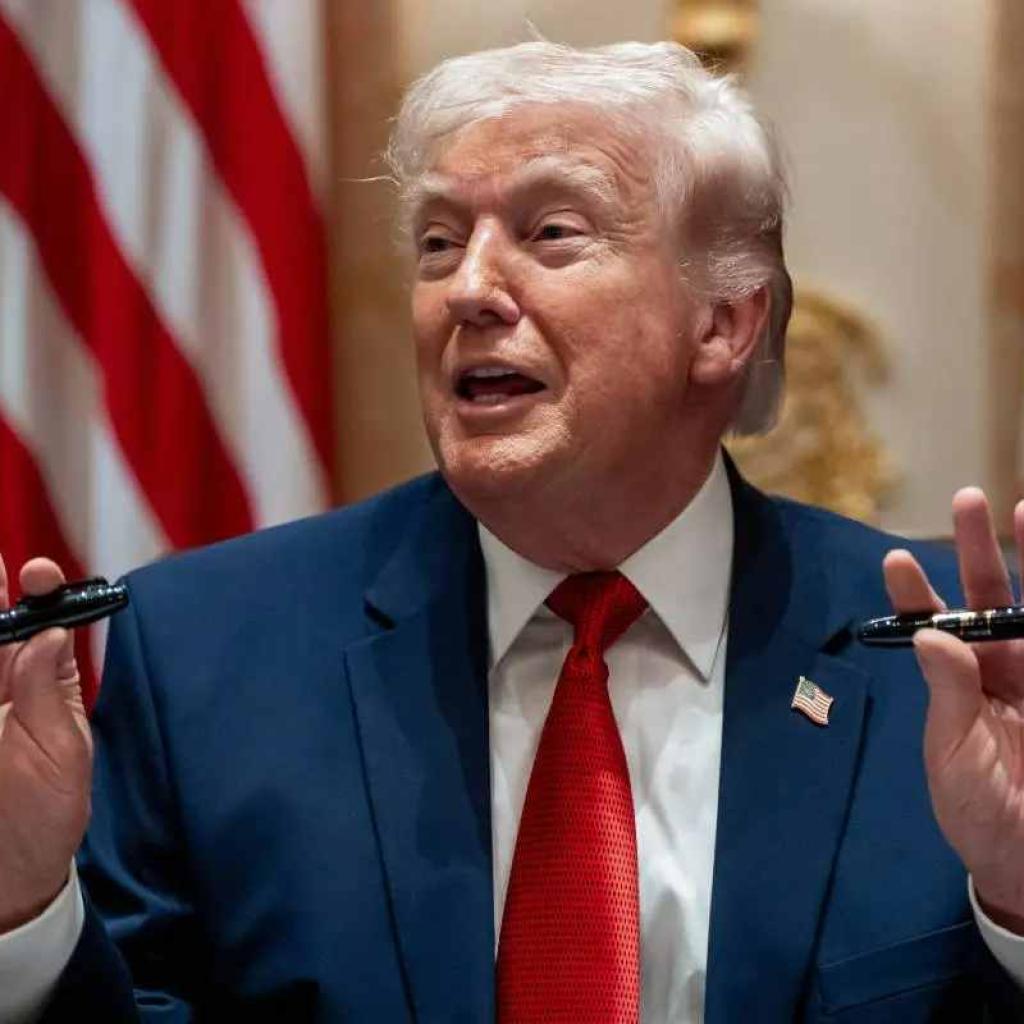
“We’ve had regime change,” Trump told reporters aboard Air Force One. “We’re dealing with different people than anybody’s dealt with before. It’s a whole different group of people. So I would consider that regime change.”
Asked whether there could be a deal with Iran this coming week, Trump said: “I do see a deal in Iran. Could be soon.”
Despite the optimistic tone from Washington, officials in Tehran remain sceptical of US intentions. Iran’s parliamentary leadership has accused the United States of using diplomatic messaging as a cover for potential military escalation.
“The enemy publicly sends messages of negotiation and dialogue while secretly planning a ground attack,” Speaker Mohammad Bagher Ghalibaf said in a statement carried by the official IRNA news agency.
Meanwhile, Pakistan has emerged as a potential mediator in the crisis. Islamabad is attempting to leverage its diplomatic ties with both Tehran and Gulf nations, as well as its improving relationship with Washington, to facilitate dialogue between the conflicting parties.
“Pakistan is very happy that both Iran and the US have expressed their confidence in Pakistan to facilitate the talks,” Foreign Minister Ishaq Dar said.
Strikes on Kuwait, Saudi Arabia
The war continues to have serious consequences across the region, affecting both military targets and civilian infrastructure. Iran has launched retaliatory strikes on several Gulf countries, including Kuwait and Saudi Arabia, further widening the scope of the conflict.
An Iranian strike targeting a power station and water desalination facility in Kuwait resulted in the death of one Indian worker and caused structural damage, according to the Gulf state’s electricity ministry. In Saudi Arabia, the defence ministry confirmed that its air defence systems intercepted five ballistic missiles, preventing further casualties.
Within Iran, attacks on electrical infrastructure have led to widespread power outages across Tehran and nearby provinces, including Alborz. Authorities confirmed disruptions in electricity supply following strikes on facilities linked to the country’s power grid.
Weeks of continuous air raids have also had a psychological impact on civilians living in conflict zones. Residents in Tehran have described the situation as increasingly distressing.
“I miss a peaceful night’s sleep,” an artist in Tehran told AFP, adding that the night-time strikes were “so intense it felt like all of Tehran was shaking”.
The escalating conflict has also affected global energy markets. Iran has declared the closure of the Strait of Hormuz to vessels belonging to hostile nations. The strategic waterway previously handled a significant portion of the world’s oil and liquefied natural gas shipments, making the move a major concern for the global economy.
As a result, oil prices have surged sharply. The benchmark US oil contract, West Texas Intermediate, climbed above $100 per barrel once again, while Brent crude exceeded $115 per barrel, reflecting fears of supply disruptions.
In Israel, lawmakers have responded to the intensifying conflict by approving a substantial increase in defence spending. The country’s parliament passed a 2026 budget that boosts military expenditure by more than $10 billion, bringing total defence spending to over $45 billion.
Pakistani-brokered talks
Diplomatic efforts are continuing behind the scenes as regional and global powers attempt to prevent further escalation. Pakistan has positioned itself as a key intermediary, hosting foreign ministers from Saudi Arabia, Turkey and Egypt in Islamabad for discussions aimed at reducing tensions and finding a peaceful resolution.
Foreign Minister Ishaq Dar confirmed that talks focused on identifying ways to “bring an early and permanent end to the war.” He added that both Tehran and Washington have expressed trust in Pakistan’s ability to facilitate dialogue.
Dar also revealed that he had communicated with Chinese Foreign Minister Wang Yi, UN Secretary-General Antonio Guterres and other global leaders who support diplomatic initiatives to end the conflict.
Despite these efforts, military preparations continue. The United States has increased its presence in the Middle East, deploying additional strategic assets to the region. Among them is the USS Tripoli, an amphibious assault ship carrying approximately 3,500 Marines and sailors, which arrived in the region on Friday.
Reports indicate that the Pentagon has been preparing contingency plans for potential ground operations that could last several weeks. These plans reportedly include possible raids near the Strait of Hormuz, although Trump has not yet authorised any such deployment.
As tensions remain high and military actions continue, the prospect of diplomatic negotiations offers a possible path to de-escalation. However, with both sides maintaining strong rhetoric and ongoing hostilities, the situation remains highly volatile.
Source : Gulf News