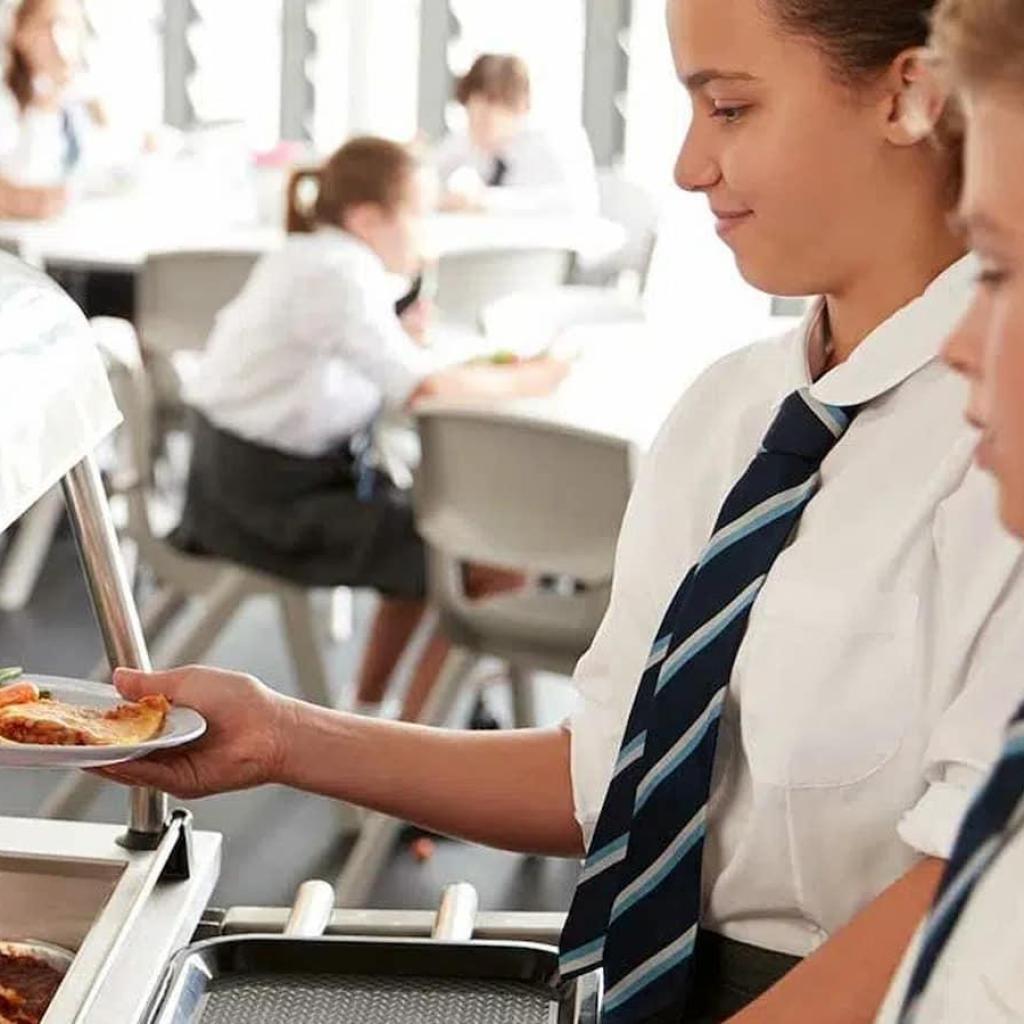
Dubai Municipality has unveiled a major new initiative aimed at improving nutrition, food safety, and menu quality across educational institutions in the emirate. The “My School Food” digital platform targets more than 400,000 students, spanning over 500 schools, nurseries, and universities, and involves over 50 food suppliers in Dubai’s school food ecosystem.
A centerpiece of this initiative is Ghalia, an AI-powered assistant built into the platform. Ghalia provides students, suppliers, and other stakeholders with real-time, accurate answers on food safety, balanced nutrition, and food-waste reduction — all based on municipality-approved data and standards.
Stricter Nutrition Guidelines
Alongside the platform, Dubai Municipality is rolling out more rigorous nutritional regulations. Meals will now be planned according to age-specific portion sizes and calorie counts, helping to ensure that students receive appropriately balanced meals.
The guidelines push for more nutrient-dense foods — increasing fibre intake, cutting down added sugar, and encouraging students to drink more water. The measure also regulates the consumption of caffeinated drinks like tea and coffee for better overall wellbeing.
Food safety is another priority. The platform demands high standards of hygiene, and includes protocols for managing allergies. Self-auditing tools are part of the system so that both schools and caterers can continuously monitor and report compliance.
Supply Chain and Partnerships
To strengthen the food supply chain and enforcement of these new norms, Dubai Municipality has signed several memoranda of understanding (MoUs) with key partners:
- Jebel Ali Free Zone (Jafza): Helps streamline compliance for food companies, speeding up inspections and improving regulatory alignment.
- Ecolab UAE: Will support water and food safety systems, offering technology-driven sustainability tools.
- Academic partners:Canadian University Dubai and Manipal Academy of Higher Education – Dubai will collaborate on research, using AI-driven analysis for risk assessment, food-safety regulation, and innovation in school nutrition.
Education and Awareness
The “My School Food” platform doesn’t just regulate — it educates. Through a built-in e-learning module, students can take gamified lessons about food safety, nutrition, and sustainable eating. The module also offers educational content for parents and school staff.
An important element in each school is the role of a Nutrition-in-Charge (NIC) — a person responsible for overseeing the application of nutrition policies in the school canteen, ensuring compliance with the new guidelines.
There is also a self-audit mechanism ("NutriCheck") through which caterers and schools are required to report monthly. This empowers mess halls to regularly check their performance and stay aligned with nutrition and food-safety standards.
Monitoring & Enforcement
To ensure accountability, the Municipality will use real-time monitoring via its DM Checked platform. Inspectors will be able to check school menus and audit results to confirm whether food suppliers are sticking to the new nutrition and hygiene protocols.
Food items in school canteens will be categorized under the “Smart Food Choices System” into four groups:
- Green (encouraged daily): Fresh fruits, vegetables, whole grains, water, low-fat milk
- Yellow (moderation): Foods with some fats or sugars, but within portion limits
- Red (limited): Foods high in saturated fat or added sugar
- Black (prohibited): Highly processed or unhealthy snacks and beverages
This color-coded system helps students make better food choices, and schools align their menu planning accordingly.
Health, Safety & Sustainability Goals
By raising the bar for school meals, Dubai aims to tackle major long-term health issues such as childhood obesity and lifestyle-related diseases.
The initiative also supports sustainability: through smarter portion control, lower food waste, and more plant-based, fibre-rich foods, schools are encouraged to build eco-friendly canteen practices.
Impact on Students & Families
For students, “My School Food” can mean access to healthier, safer meals every day at school. Gamified learning helps them internalize good food habits, while the AI assistant makes nutrition information easy to digest.
Parents benefit from transparency: the platform allows them to see what’s happening in their children’s schools and understand the nutritional quality of meals.
Suppliers, meanwhile, have access to training, compliance dashboards, and automated audit tools — this simplifies meeting the new, tougher standards.
Challenges & Considerations
- Adoption: All 500+ schools and 50+ food suppliers need to integrate with the system and follow the stricter nutrition rules.
- Training: Nutrition-in-Charge staff and canteen workers need proper training to implement these new guidelines efficiently.
- Behavioural Change: It’s one thing to set stricter rules, but getting students to embrace healthier food and reduce junk choices will require consistent education, engagement, and perhaps incentives.
- Sustaining Compliance: Regular audits and inspections are key. The success of the platform depends on active monitoring, not just policy on paper.
Significance for Dubai
The “My School Food” initiative represents a forward-thinking, technology-driven approach to public health in schools. By combining AI, real-time monitoring, education, and strict food standards, Dubai is signaling that student nutrition is a priority.
This project builds on previous nutrition initiatives by the Municipality and aligns with global trends where governments are increasingly integrating digital tools to address dietary health in young populations.
If successful, this system could serve as a model for other regions seeking to raise food safety and nutrition standards in educational institutions — using data, AI, and accountability to not only regulate but genuinely improve health outcomes for students.