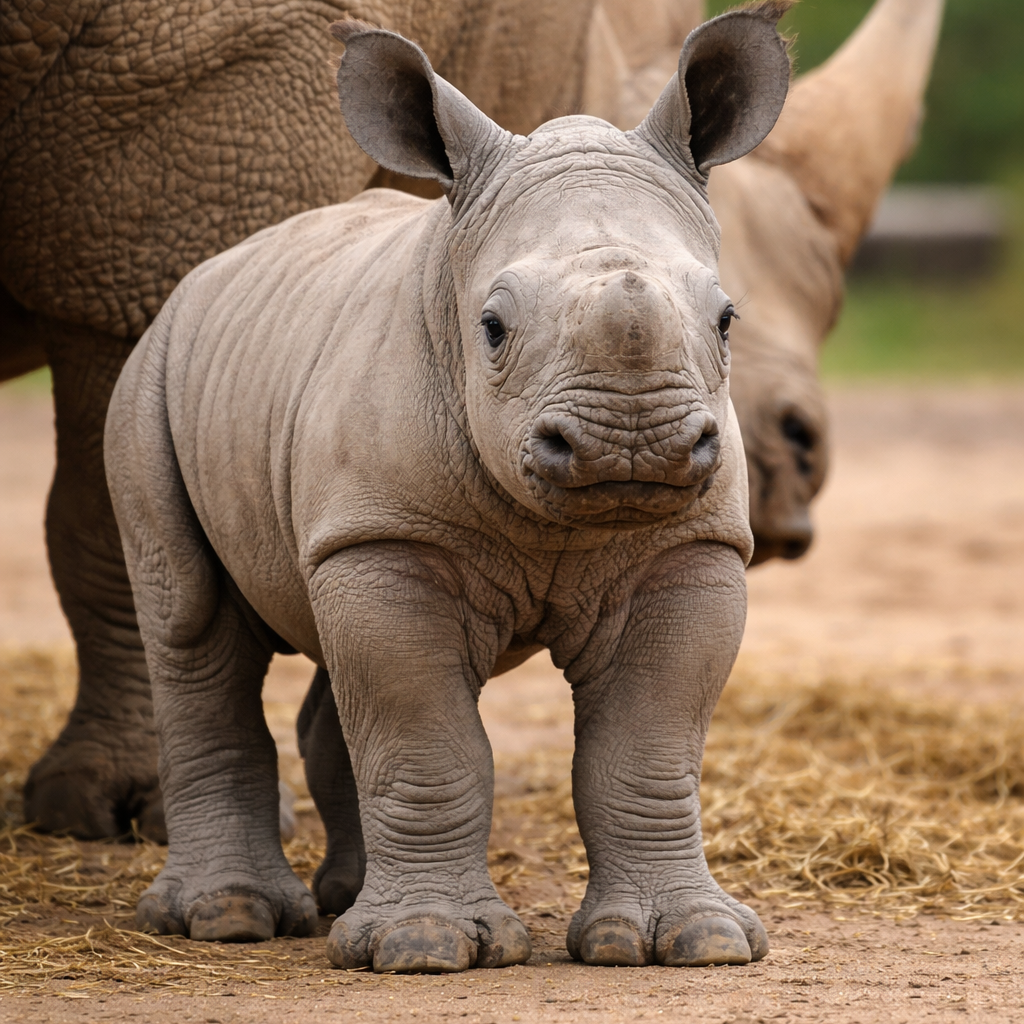
In a significant milestone for wildlife conservation, Dubai Safari Park has celebrated the birth of its second endangered white rhinoceros calf, reinforcing its role as a leading hub for protecting vulnerable species. The arrival of the newborn is being hailed as an important achievement in global conservation efforts, particularly for a species that continues to face threats in the wild.
The park, known for its commitment to preserving biodiversity, described the birth as a proud moment for its dedicated team of zoologists and animal care specialists. This latest addition highlights the success of carefully managed breeding programmes designed to support endangered animals and ensure their survival for future generations.
White rhinos are currently classified as “near threatened,” and their population in the wild has been impacted by poaching and habitat loss. Conservation breeding programmes like those at Dubai Safari Park play a crucial role in sustaining their numbers and raising awareness about the importance of protecting wildlife.
According to park officials, both the newborn calf and its mother are in good health and are being closely monitored by expert veterinary teams. The calf has already begun adapting well to its surroundings, showing encouraging signs of strength and development. Animal care teams have ensured a safe and nurturing environment, allowing the young rhino to bond naturally with its mother.
The birth of this second calf builds on the park’s earlier success, when it welcomed its first white rhino calf as part of the same conservation initiative. That earlier birth had already marked a breakthrough moment for the park, demonstrating that its breeding programme could successfully support such a large and sensitive species.
Officials emphasised that each successful birth represents years of planning, collaboration, and scientific expertise. White rhinos have a long gestation period of around 16 months, making every birth especially significant. These efforts often involve coordination with international wildlife organisations and regional institutions to ensure genetic diversity and proper care.
The park has also been working closely with partners such as Al Ain Zoo, which has played a key role in supporting breeding and conservation initiatives. This collaboration highlights the importance of regional partnerships in strengthening wildlife protection programmes and sharing expertise across institutions.
Beyond breeding, Dubai Safari Park continues to focus on education and public awareness. Visitors to the park are given the opportunity to learn about endangered species, their habitats, and the challenges they face in the wild. The birth of the new calf is expected to attract significant public interest, helping to further spread awareness about conservation efforts.
Over the years, the park has recorded hundreds of animal births across various species, many of which are classified as endangered or vulnerable. These achievements underline its growing importance as a centre for wildlife research, education, and preservation. In recent seasons alone, dozens of endangered species births have been recorded, showcasing the effectiveness of its conservation strategies.
Experts note that conservation programmes in controlled environments are vital in safeguarding species that are at risk of extinction. While protecting animals in the wild remains the ultimate goal, breeding programmes provide a crucial backup, ensuring that populations can recover even when natural habitats are under threat.
The birth of the second white rhino calf is not just a local achievement but part of a broader global effort to protect one of the world’s most iconic animals. White rhinos have faced decades of challenges due to illegal poaching driven by demand for their horns, making conservation initiatives more important than ever.
Park officials expressed hope that milestones like this will inspire greater public involvement in conservation efforts. Initiatives such as naming campaigns and educational programmes have already seen strong participation from visitors, reflecting a growing interest in wildlife protection.
Looking ahead, Dubai Safari Park aims to expand its conservation programmes and continue contributing to international efforts to preserve endangered species. The successful birth of the second white rhino calf stands as a powerful reminder of what can be achieved through dedication, collaboration, and scientific innovation.
Ultimately, this milestone underscores a hopeful message: with the right resources and commitment, it is possible to protect endangered species and secure a future where wildlife can continue to thrive.
Source: Gulf news