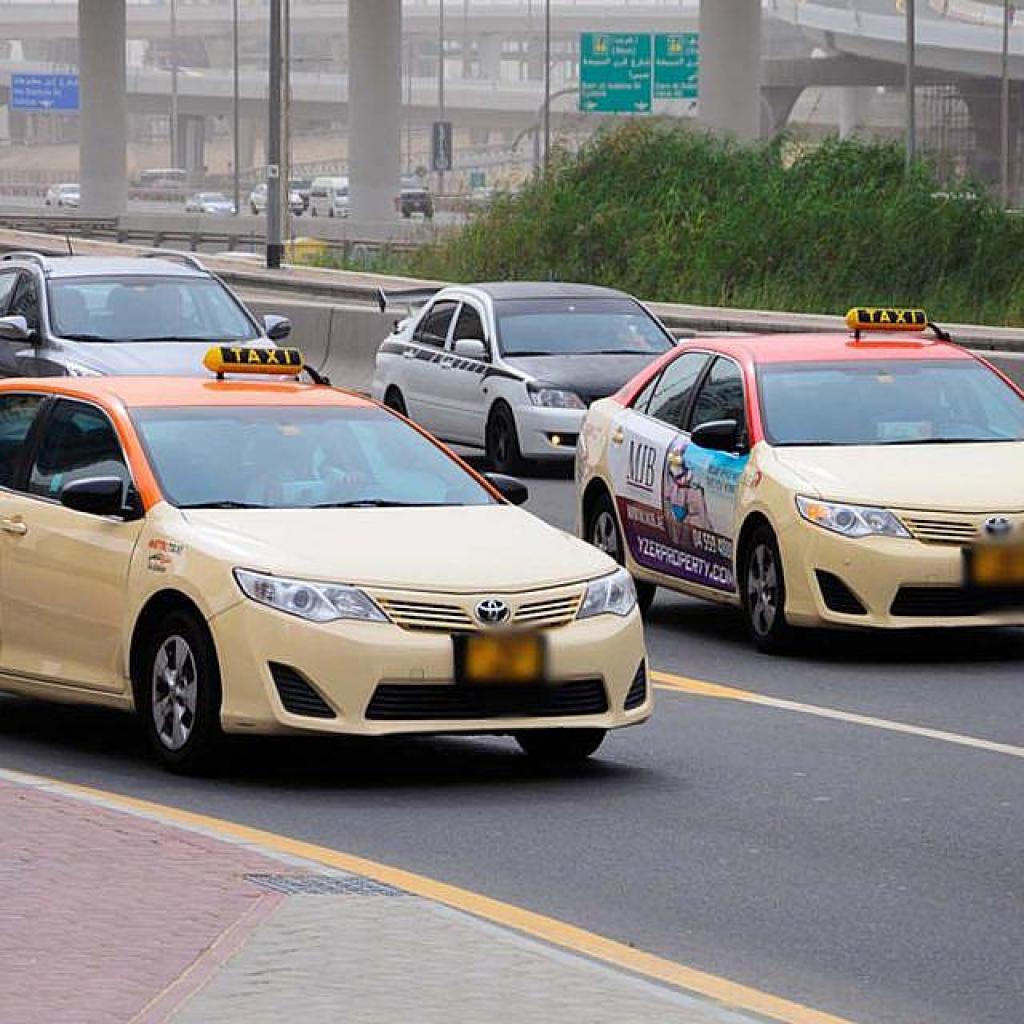
Dubai, UAE: Dubai motorists booking taxis through ride-hailing apps will now experience a new, dynamic fare structure introduced by the RTA, aimed at aligning pricing with demand. For passengers who hail taxis directly from the curb, the traditional fare structure remains unchanged — but app-users should expect the minimum fare and booking fees to shift.
What’s Changing for App Bookings
Under the updated model:
- The minimum fare for app-based taxi rides has increased to AED 13, up from AED 12.
- Booking fees will now vary by time-slot rather than being a flat charge:
- During off-peak hours, booking fees start at AED 4.00.
- During peak hours, booking fees rise to about AED 7.50.
- The flag-fall (base fare at start of ride) remains at AED 5.00 during daytime and increases to AED 5.50 at night.
- Time-slots are clearly defined for fare categories:
- Monday to Thursday: Peak morning 8:00 am–10:00 am & 4:00 pm–8:00 pm.
- Night hours: 10:00 pm–6:00 am.
- Fridays, Saturdays & Sundays: Evening peaks shift slightly (for example 4:00 pm onward).
Importantly, these changes apply only to taxi rides booked via apps (such as Hala, S’hail, Bolt and the DTC Smart App). Street-hailing taxis will continue under the previous fare structure, including a minimum fare of AED 12.
Why The Change?
The RTA says this shift to time-based booking fees is part of its broader push for smart mobility and more efficient transport operations. By linking booking fees to demand, it hopes to:
- Distribute taxi availability more evenly across the day.
- Encourage riders to book during quieter periods by offering lower booking fees.
- Improve service for app-booked rides, as higher fees during busy times help ensure supply meets demand.
- Bring the taxi-app fare model in Dubai closer to global norms seen in other major cities.
For the city’s transportation ecosystem, this is viewed as a mechanism to de-congest peak-hour demand, reward off-peak travel and optimize utilisation of digital ride-booking platforms.
What It Means for Street-Hail Riders
If you wave down a taxi from the street (instead of booking via an app), things remain largely the same:
- Flag-fall remains AED 5.00 (day) and AED 5.50 (night).
- Per-kilometre rates remain within the established range (approx. AED 2.14 to AED 2.26) subject to monthly fuel adjustments.
- Minimum fare remains AED 12 for street-hails, slightly lower than the new AED 13 minimum for app-rides.
Thus, the everyday curb-hail user won’t feel a change — but app-users should prepare for a revised estimate during their booking process.
Sample Scenarios for Riders
- Mid-morning off-peak booking (say 11 am Monday): You book via an app, flag-fall AED 5.00, booking fee AED 4.00, then per-km fees apply as usual. Your minimum charge will be AED 13.
- Evening rush hour booking (say 5 pm Wednesday): Booking fee rises to AED 7.50, flag-fall AED 5.00. Your estimated base starts at around AED 13 plus distance/time charges.
- Night ride after 10 pm: Booking fee AED 4.50, flag-fall AED 5.50 (or flagged night rate). Total starts at around AED 13 or higher depending on distance.
- Street-hail at any time: Minimum fare AED 12; booking/flag-fall unchanged for app structure.
Things to Watch & Tips for Passengers
- When booking via an app, always check the fare estimate: the app should clearly show booking fee, flag-fall and any per-km or waiting time charges.
- If you travel regularly during off-peak hours, you may benefit from the lower booking fee of AED 4.00.
- Be aware that event venues, airports or special zones may still carry surcharges (as has been the case previously).
- For budget-sensitive trips, flag-hailing a taxi might be slightly cheaper given the lower minimum fare and unchanged booking rules.
- Monitor your fare breakdown for waiting time (typically AED 0.50 per minute) and tolls (e.g., Salik AED 4 per gate) which are added on top of base fare.
- If you’re used to app rides and often book during peak periods, expect slightly higher upfront booking cost — factor this into your travel budgeting.
Broader Impact for the Transport Ecosystem
The revised fare model reflects a growing trend in urban transport: digital booking platforms, data-driven demand-management and dynamic pricing rather than flat surcharges. For Dubai, this means:
- Enhanced utilisation of ride-hailing fleets in real time.
- Better alignment between supply (drivers) and demand (passengers) during high-traffic periods.
- Transparent pricing that matches the time of day, likely leading to improved service reliability.
- Potentially smoother traffic flows, as fewer last-minute bookings might happen when options are limited.
Final Word
For app-based taxi riders in Dubai, the October/November 2025 fare update by the RTA introduces a more sophisticated pricing structure. While the city’s approach maintains simplicity for street-hail passengers, the dynamic booking fees for app-users signal a shift toward smarter, demand-sensitive transport pricing.
If you book via app, expect a minimum fare of AED 13, a booking fee that varies by time-slot (as low as AED 4, up to AED 7.50) and the usual per-km and waiting charges. For those hailing from the street, the fare remains familiar and unchanged.
As Dubai continues to evolve its transport ecosystem, riders should stay informed, check fare breakdowns in their apps and consider timing when booking to make the most of the new structure.