Uncertainty continues to surround potential negotiations aimed at ending the ongoing war involving Iran, as statements from U.S. President Donald Trump about diplomatic progress have raised more questions than answers. While Washington signals that discussions may be moving forward, Iran has publicly denied that formal negotiations are taking place, highlighting the complex and unclear path toward any possible resolution.
The conflict, which has drawn global concern due to its geopolitical and economic impact, has entered a critical phase. Governments across the Middle East and beyond are watching closely as reports emerge of backchannel diplomacy, military escalation, and competing war objectives from the key parties involved.
Confusion Over Existence of Talks
Trump’s recent remarks suggesting major progress in negotiations have left analysts and observers questioning the current status of diplomatic efforts. The U.S. leader has repeatedly indicated that talks are ongoing and that a deal may be within reach, yet officials in Tehran have denied participating in any formal discussions.
According to sources familiar with diplomatic efforts, a proposed 15-point framework outlining a potential pathway toward ending the conflict was delivered to Iran through intermediaries from Pakistan. The proposal reportedly aims to establish conditions that could eventually lead to de-escalation, but details remain largely undisclosed.
Despite these developments, Iran has maintained a firm public stance, stating that it will continue the conflict "until complete victory." Meanwhile, several regional players including Pakistan, Egypt and Gulf Arab states are believed to be quietly exploring ways to bring both sides to the negotiating table. However, these efforts appear to be in early stages, with no confirmed breakthrough so far.
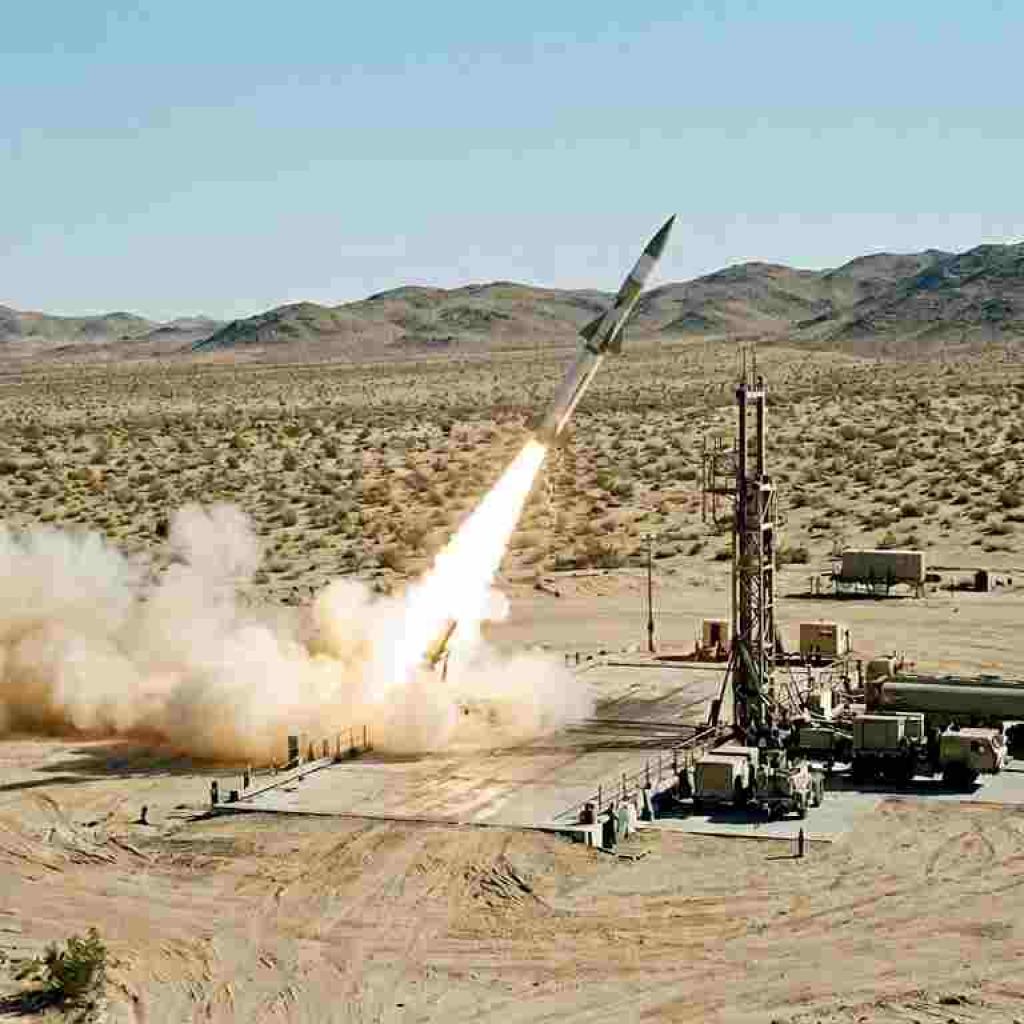
At the same time, military operations have continued across the region. Missile attacks and airstrikes have been reported in multiple locations, while the United States has increased its military presence by sending additional troops and equipment to the Middle East. Thousands of Marines have been deployed to the Gulf region, and the U.S. Army is preparing to send at least 1,000 personnel from the 82nd Airborne Division.
Push for Negotiations Amid Shifting War Goals
Since the conflict began on February 28 with joint military operations involving the United States and Israel, Trump’s stated objectives have evolved. Early goals focused on weakening Iran’s missile capabilities and reducing its ability to threaten neighboring countries. These targets, analysts say, provide flexibility for the U.S. administration to declare success even if broader strategic goals remain unmet.
A key objective repeatedly emphasized by Trump is preventing Iran from developing nuclear weapons. Washington has insisted that any agreement to end the war must include strong guarantees related to nuclear activities.
Another major concern is the Strait of Hormuz, one of the world’s most important oil shipping routes. The waterway became nearly impassable after tensions escalated, disrupting global energy markets and raising fears about supply shortages. Reopening this vital route has become a priority not only for the United States but also for global economic stability.
Trump has also appeared to soften earlier rhetoric that hinted at the possible collapse of Iran’s political system. Israeli leadership, however, continues to emphasize the idea that the conflict could ultimately lead to major political change within Iran.
Reports have suggested that U.S. envoy Steve Witkoff and Jared Kushner may have held informal discussions with Iranian representatives. However, Iranian Parliament Speaker Mohammad Bagher Qalibaf denied involvement in such talks through a statement on social media.
Officials from Pakistan, Egypt and Gulf nations have indicated that preliminary discussions could take place in Pakistan, although persuading Iran to participate remains a challenge. Diplomatic sources suggest the immediate goal of these efforts is to build trust and create conditions that could lead to a temporary pause in fighting.
Proposed 15-Point Plan Raises Questions
One of the most significant developments is the reported 15-point plan presented by the Trump administration through intermediaries. The proposal is believed to outline steps that could potentially lead to a ceasefire agreement and broader peace negotiations.
According to sources, the plan surprised some Israeli officials who have been advocating for continued military operations against Iran. The proposal could indicate that Washington is exploring diplomatic options alongside ongoing military preparations.
The White House has not publicly confirmed details of the reported plan, leaving analysts to speculate about its contents. Observers say the proposal may provide Trump with strategic flexibility, allowing the administration to pursue either diplomacy or continued military pressure depending on developments on the ground.
Uncertainty Over Iran’s Leadership Structure
Another factor complicating potential negotiations is uncertainty about who represents Iran in any diplomatic discussions. Despite extensive military strikes targeting key figures within Iran’s leadership structure, the country’s governing system appears to remain intact.
The appointment of Ayatollah Mojtaba Khamenei as the new supreme leader following the death of his father has raised questions about decision-making authority. Other influential figures within Iran include military leaders, members of the Revolutionary Guard, President Masoud Pezeshkian, Foreign Minister Abbas Araghchi and senior parliamentary officials.
Experts note that even if talks begin, it may be unclear whether negotiators would have the full backing of Iran’s military leadership. Statements from Iranian military officials have indicated continued commitment to the war effort.
Maj. Gen. Ali Abdollahi Aliabadi, a spokesman for Iran’s top military command, emphasized the country’s determination to continue the conflict, stating that the fighting "will continue until complete victory."
Strategy or Delay?
Trump’s recent statements about progress in negotiations came shortly before the expiration of a deadline he had set regarding Iran’s control over the Strait of Hormuz. The U.S. president had warned of potential attacks on Iranian infrastructure if the waterway remained blocked.
The deadline was later extended by five days, with Trump suggesting that there was a strong possibility of reaching an agreement within that time frame. Financial markets responded positively to the news, as investors hope to avoid further disruptions to oil supply.
Some analysts believe Trump may be seeking an exit strategy that would limit long-term economic consequences of the war. Rising oil prices and instability in the Middle East could have global economic implications.
Others suggest the delay could allow additional U.S. military forces to arrive in the region, increasing pressure on Iran during negotiations. The presence of additional Marines has fueled speculation about possible operations targeting key Iranian infrastructure, including Kharg Island, a major oil export hub.
Although Trump has stated that he does not currently plan to deploy ground forces inside Iran, he has not completely ruled out that possibility. Israeli officials have also suggested that ground operations could occur if the conflict intensifies.
Key Issues in Possible Negotiations
Even before the conflict escalated, discussions between Iran and the United States had focused heavily on nuclear activities. Tensions increased significantly after the United States withdrew in 2018 from an earlier nuclear agreement.
Trump has indicated that any future agreement could include removing enriched uranium from Iran, a demand that Tehran has previously rejected. Iranian leaders have maintained that their nuclear program is intended for peaceful purposes.
Some observers believe a more realistic short-term outcome could be a ceasefire agreement and the reopening of the Strait of Hormuz. However, Iranian officials have suggested that they are seeking broader solutions that address regional conflicts beyond the immediate war.
In an interview with Al Jazeera, Foreign Minister Abbas Araghchi said, "We don't believe in ceasefire. We believe in the end of war ... the end of war in all fronts," indicating Tehran may be seeking comprehensive political guarantees rather than temporary arrangements.
Israel’s Position on the Conflict
Israel’s role in the conflict continues to shape the broader situation. Although Israel appears to be broadly aligned with Washington’s objectives, it has also pursued its own military strategy.
Recent Israeli strikes on Iran’s South Pars natural gas field triggered retaliatory attacks affecting Gulf Arab states. Reports suggest the United States urged Israel to avoid targeting certain economic assets that could further destabilize regional markets.
Israeli Prime Minister Benjamin Netanyahu has acknowledged diplomatic initiatives but indicated that military operations will continue for now. Israel has also expanded operations in Lebanon, targeting Hezbollah forces that have expressed support for Iran.
Analysts say Israel’s actions could complicate diplomatic efforts if military operations continue during sensitive negotiations.
Outlook Remains Uncertain
As diplomatic signals and military developments continue simultaneously, the future of the conflict remains unclear. While the United States suggests progress toward possible negotiations, Iran’s public stance indicates continued resistance.
Observers note that achieving a comprehensive agreement would require addressing multiple complex issues, including nuclear policy, regional security concerns, economic sanctions and military activity across the Middle East.
For now, the situation reflects both the possibility of diplomatic progress and the risk of further escalation, leaving global leaders closely monitoring developments in one of the most sensitive geopolitical crises in recent years.
Source : Gulf News