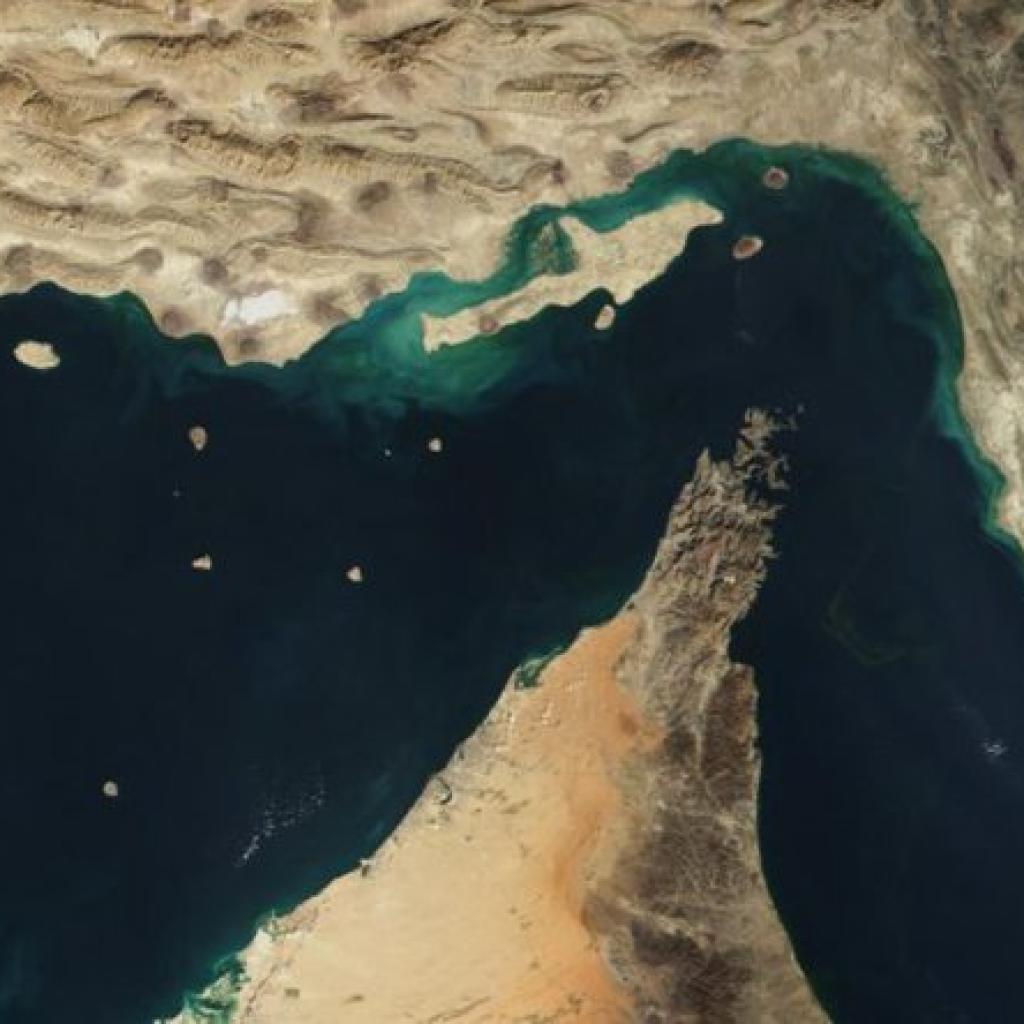
Amid intensifying military tensions in the Middle East, Iran has announced that only “friendly nations” will be permitted to transit through the strategically vital Strait of Hormuz. The decision comes as the ongoing conflict involving Iran, the US, and Israel raises concerns about global energy supply disruptions and economic instability.
According to an official statement shared by the Iranian Consulate General in Mumbai, Iran’s Foreign Minister Abbas Araghchi confirmed that selected countries will continue to have access to the crucial maritime passage. “We have permitted passage through the Strait of Hormuz for friendly nations, including China, Russia, India, Iraq, and Pakistan.” The announcement signals Tehran’s attempt to maintain trade ties with allied nations while simultaneously using the strategic waterway as leverage during the conflict.
The Strait of Hormuz remains one of the world’s most important oil chokepoints, responsible for the transport of a significant portion of global crude oil and natural gas shipments. Any disruption to the route can have far-reaching consequences on global markets, energy prices, and supply chains. With tensions escalating in the Gulf region, international observers fear that further instability could severely impact fuel availability and shipping routes worldwide.
The development follows a strong appeal from United Nations Secretary-General Antonio Guterres, who urged all parties involved in the conflict to avoid actions that could further destabilise global trade and worsen humanitarian conditions. In a message shared on social media platform X, Guterres highlighted the urgent need to keep the Strait open to prevent additional global economic shocks.
"The prolonged closure of the Strait of Hormuz is choking the movement of oil, gas, and fertilizer at a critical moment in the global planting season. Across the region and beyond, civilians are enduring serious harm and living under profound insecurity. The UN is working to minimise the consequences of the war. And the best way to minimise those consequences is clear: end the war immediately."
Guterres also called on all sides to prioritise diplomacy and reduce military escalation that could worsen civilian suffering and economic instability. Addressing the parties directly, he said:
"My message to the US & Israel is that it's high time to end the war - as human suffering deepens, civilian casualties mount & the global economic impact is increasingly. devastating. My message to Iran is to stop attacking their neighbours that are not parties to the conflict,"
He further reiterated the urgency of ending the violence by stating:
"My message to the US and Israel is that it is high time to end the war, as human suffering deepens, civilian casualties mount, and the global economic impact becomes increasingly devastating. My message to Iran is to stop attacking neighbours that are not parties to the conflict,"
The Strait of Hormuz has long been considered a geopolitical flashpoint due to its strategic significance in global energy transportation. Located between the Persian Gulf and the Gulf of Oman, the narrow waterway is essential for oil exports from major producers in the Middle East. Any attempt to restrict access or disrupt shipping traffic can quickly influence global oil prices and create uncertainty in international markets.
Iran’s recent move to selectively allow passage underscores the growing tension surrounding maritime security in the region. The situation has become increasingly volatile as retaliatory military actions continue between Iran and its adversaries. Analysts warn that prolonged conflict could result in partial or complete disruption of maritime trade routes, affecting not only energy supplies but also essential goods such as fertilizers and food commodities.
The selective access granted to countries like India and Pakistan suggests that Tehran is attempting to balance strategic alliances while sending a strong political message to Western powers. With global markets closely monitoring developments, the future of one of the world’s most critical shipping routes remains uncertain.
As the conflict continues, international organisations and global leaders are urging restraint to prevent further escalation that could deepen humanitarian crises and economic instability across multiple regions
Image source : Lloyd’s List