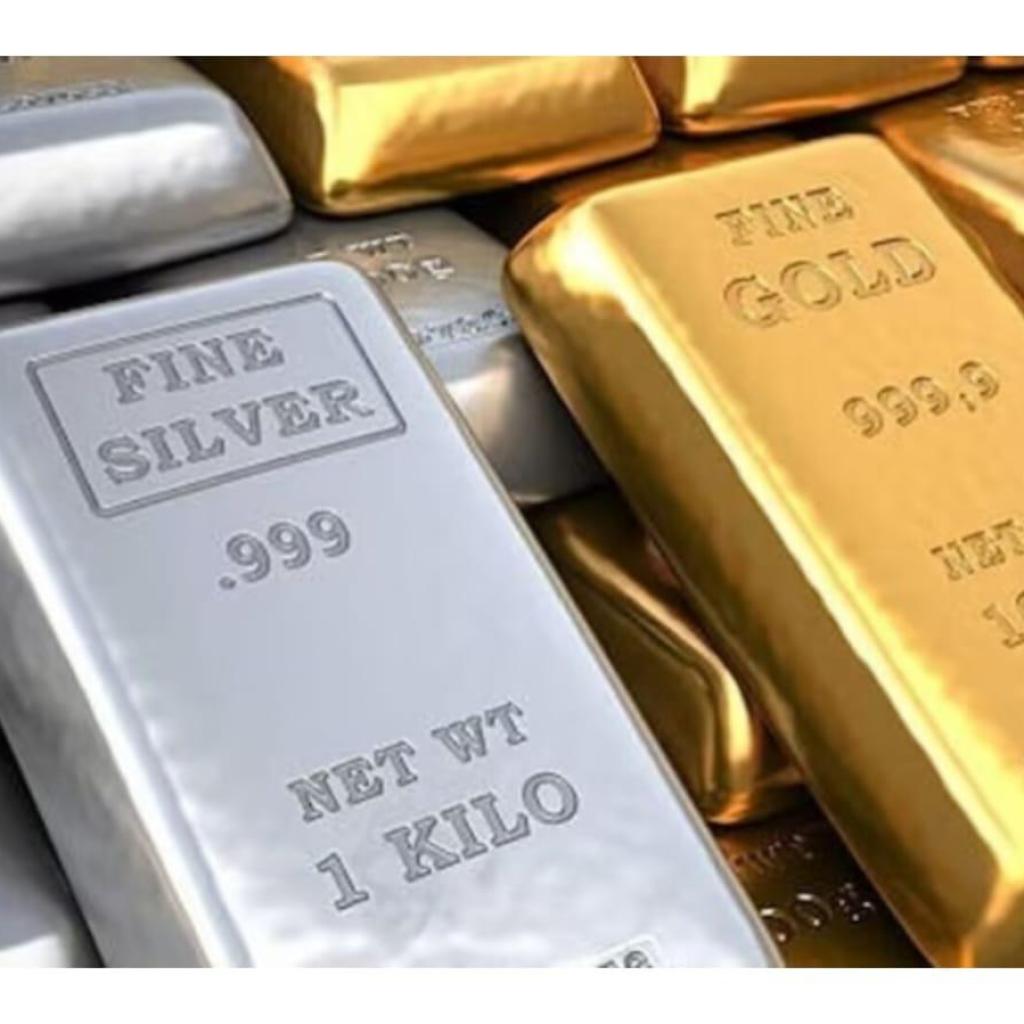
As geopolitical tensions persist across parts of the Middle East, investors in the UAE and wider Gulf region are once again recalibrating portfolios toward traditional safe-haven assets. Gold and silver trading activity has picked up in Dubai’s bullion markets and across regional financial platforms, reflecting a familiar pattern seen during periods of elevated political and economic uncertainty.
Safe-Haven Demand Strengthens in the UAE
Dubai, home to the Dubai Multi Commodities Centre and one of the world’s leading physical gold trading hubs, often serves as a barometer for regional precious metals demand. Traders report that retail and institutional interest typically rises when investors seek protection against currency volatility, oil price swings, or potential supply disruptions affecting global trade routes.
In recent weeks, gold prices have remained supported globally amid concerns over regional flashpoints and their possible impact on energy infrastructure and shipping corridors. Investors in the UAE are closely watching developments around key maritime routes such as the Strait of Hormuz — a strategic chokepoint for a significant portion of the world’s oil exports — even though shipping traffic continues under heightened monitoring.
Gold’s appeal in the Gulf region is also tied to currency stability. With the UAE dirham pegged to the US dollar, movements in US interest rate expectations directly influence local bullion prices. When geopolitical uncertainty combines with expectations of slower global growth or potential rate cuts, gold typically benefits.
Silver Gains from Industrial and Defensive Demand
While gold remains the primary defensive asset, silver has also attracted attention. In addition to its role as a precious metal, silver has strong industrial demand linked to solar energy, electronics and manufacturing — sectors that remain strategically important across Gulf economies pursuing diversification agendas.
Analysts note that silver often experiences more volatility than gold during geopolitical episodes. However, in the UAE market, retail buyers frequently consider silver as a more affordable hedge, particularly during times when gold prices approach record levels.
Oil Routes, Energy Markets and Inflation Expectations
Regional conflict risks inevitably intersect with oil supply concerns, and this dynamic feeds directly into precious metals markets. The Gulf region remains central to global crude supply, with exports from the UAE, Oman and Saudi Arabia passing through sensitive maritime corridors.
Although there has been no sustained disruption to exports, even short-term risk premiums in oil prices can influence inflation expectations worldwide. Brent crude has seen periodic volatility whenever tensions flare, as traders price in the possibility of shipping delays or insurance cost increases.
For Gulf residents, this link is tangible. Higher global oil prices can translate into increased fuel costs in countries with monthly pricing mechanisms such as the UAE. While the UAE adjusts domestic fuel prices in line with global benchmarks, authorities have historically managed transitions in a measured way to avoid sudden shocks to consumers.
When oil price volatility rises, gold often strengthens as a hedge against inflationary pressures. Investors seeking to preserve purchasing power during uncertain energy markets tend to diversify into bullion, reinforcing upward price momentum.
Aviation and Trade Stability Remain Key
Aviation operations across major Gulf hubs — including Dubai and Abu Dhabi — continue to function normally, though airlines routinely adjust flight paths when regional airspace risks increase. The UAE’s aviation sector remains a critical pillar of economic stability, with connectivity serving both tourism and trade flows.
Any sustained disruption to aviation or maritime trade would have broader implications for investor sentiment. For now, markets are reacting cautiously rather than dramatically, reflecting confidence in regional governments’ ability to maintain operational continuity.
Financial Market Behaviour in the GCC
Equity markets across the Gulf have shown measured responses to geopolitical developments. Investors have tended to rotate into defensive sectors such as utilities, telecommunications and energy, while avoiding excessive sell-offs. Sovereign wealth funds and strong fiscal buffers in countries like the UAE and Oman provide additional stability.
During previous episodes of regional tension, UAE investors often balanced exposure by increasing allocations to gold exchange-traded funds and physical bullion purchases. That pattern appears consistent today, with bullion dealers in Dubai reporting steady — though not panic-driven — buying interest.
Responsible Portfolio Strategy During Uncertainty
Financial advisers in the region emphasize diversification rather than reactionary moves. While gold and silver can offer protection against volatility, overexposure carries risks, especially if geopolitical tensions ease and risk appetite returns to equity markets.
The broader Gulf economy remains supported by resilient oil revenues, ongoing infrastructure investment, and diversification initiatives in sectors such as renewable energy, logistics and technology. For residents and investors in Dubai and across the GCC, the current environment calls for vigilance rather than alarm.
As history has shown, precious metals often perform well during periods of geopolitical strain. However, markets in the UAE and wider region continue to function with relative stability — underscoring the Gulf’s role as both a global energy supplier and a financial safe haven in its own right.