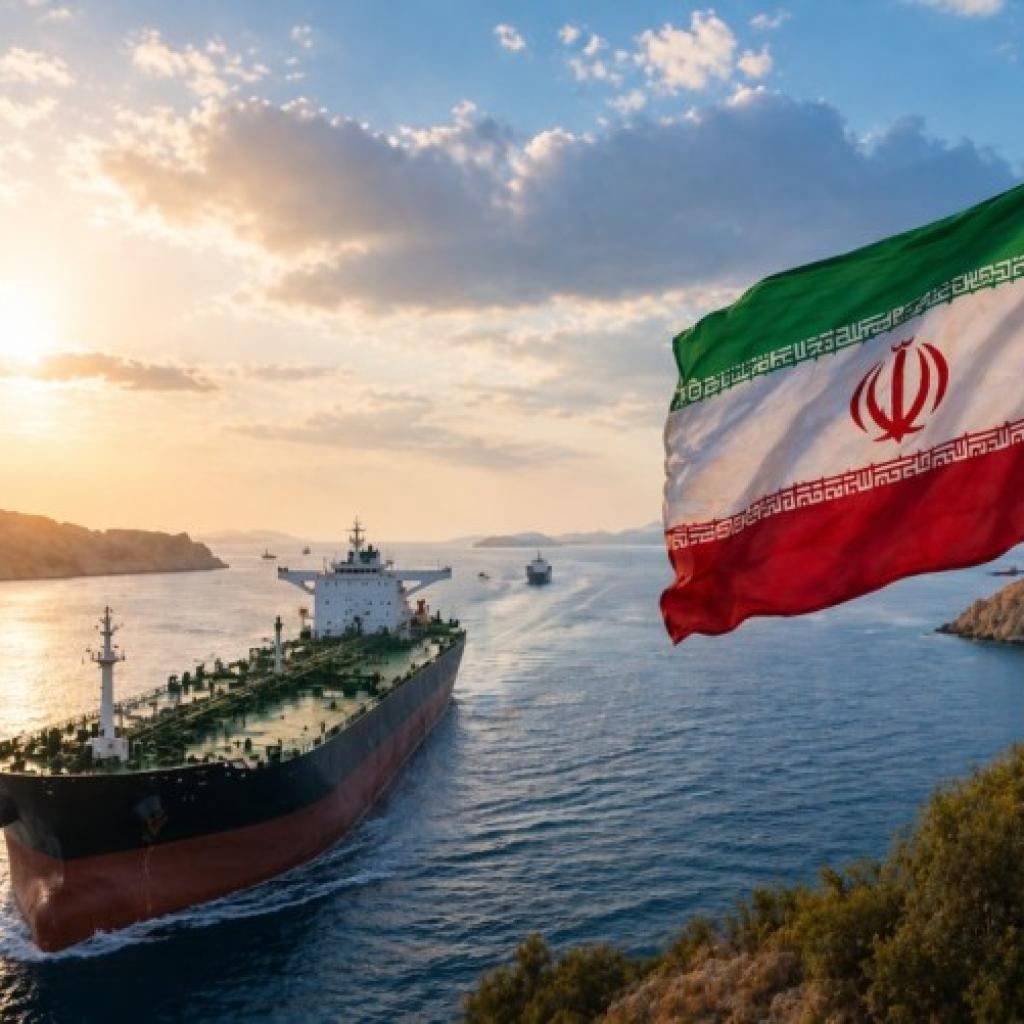
Strait of Hormuz remains effectively closed
Iran has stated that reopening the Strait of Hormuz is currently “impossible,” citing ongoing violations of a fragile ceasefire agreement. The announcement was made by Iranian Parliament Speaker Mohammad Bagher Ghalibaf, who emphasized that continued military actions and blockades have made normal operations in the waterway unfeasible.
The Strait of Hormuz is one of the most important energy corridors globally, carrying a significant share of the world’s oil and gas shipments. Any disruption to this route has immediate consequences for global markets, especially for countries heavily dependent on imported energy.
Ceasefire violations and blockade tensions
According to Iranian officials, the main reason behind the continued closure is the alleged violation of ceasefire terms. Tehran has pointed to ongoing military activity and a naval blockade as key factors preventing stability in the region.
Iran argues that a ceasefire has little meaning if economic restrictions and military pressure continue. The presence of naval forces and restrictions on Iranian trade routes are seen by Tehran as direct breaches of the agreement, further complicating any effort to reopen the strait.
At the same time, diplomatic efforts remain uncertain, with both sides maintaining firm positions and limited progress in negotiations.
Rising risks in maritime security
The situation in the Strait of Hormuz has become increasingly volatile, with reports of ship seizures and heightened military presence. These developments have raised concerns about the safety of commercial vessels operating in the region.
Shipping companies are facing growing risks, including delays, higher insurance costs, and uncertainty about safe passage. In some cases, vessels have been forced to halt operations or reroute, further disrupting global supply chains.
The instability has also affected the number of ships passing through the strait, which has dropped significantly compared to normal levels.
Global oil markets feel the pressure
The closure of the Strait of Hormuz is having a direct impact on global energy markets. Analysts warn that disruptions in this key corridor can lead to supply shortages and price volatility, especially if the situation continues for an extended period.
Oil prices have already shown signs of upward pressure as traders factor in the risks of prolonged disruption. For many countries, particularly in Asia, the Strait of Hormuz remains a critical route for energy imports, making the situation even more concerning.
Uncertain path forward
Despite ongoing discussions, there is no clear timeline for reopening the strait. Iran has made it clear that any move toward resuming operations will depend on the full implementation of ceasefire terms and the removal of blockades.
Experts believe that until there is a stable and mutually agreed resolution, the Strait of Hormuz will remain a high-risk zone. The current situation highlights how closely global energy security is tied to geopolitical stability in the region.
Conclusion
The continued closure of the Strait of Hormuz underscores the fragile state of Middle East geopolitics. While ceasefire agreements offer temporary hope, ongoing violations and tensions are preventing a return to normalcy.
For now, global markets, shipping companies, and governments remain on edge, closely watching developments in a region that plays a critical role in the world’s energy supply.
Source: Gulf News
Image: AI Generated