Donald Trump has issued a dramatic ultimatum to Iran, warning of severe consequences if Tehran does not reopen the crucial shipping route through the Strait of Hormuz. The US President set a firm deadline of “Tuesday, 8:00 PM” (midnight GMT) for Iran to comply, intensifying fears of further escalation in the ongoing Middle East conflict.
The warning comes amid a continuing war that began on February 28, when US and Israeli forces launched strikes on Tehran. Since then, the conflict has spread across the region, affecting multiple countries and putting significant pressure on the global economy, particularly energy markets.
As Christians around the world observed Easter, Trump reiterated his warnings of possible air strikes targeting Iran’s civilian infrastructure, including power plants and bridges, if the strategic waterway remains blocked.
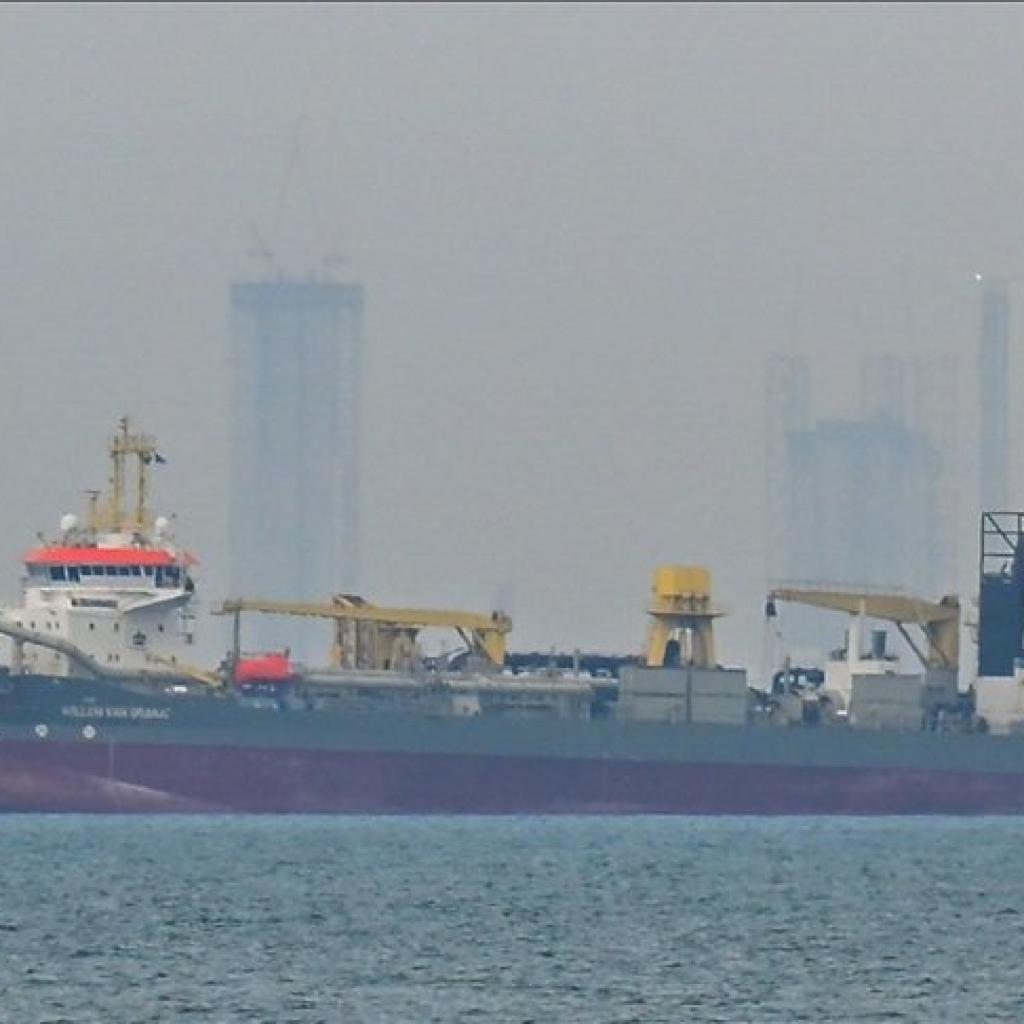
The Strait of Hormuz is one of the most vital global energy chokepoints, through which a significant portion of the world’s oil supply passes. Iran’s actions to restrict access have caused oil prices to surge sharply. Early trading in Asia saw US benchmark West Texas Intermediate crude rise by 1.86 percent to $113.62 per barrel, while Brent crude climbed above $110, reflecting growing investor anxiety over supply disruptions.
Trump delivered a blunt message to Tehran, stating that failure to comply would lead to devastating consequences. He wrote that if the strait is not reopened, "... you'll be living in Hell," underscoring the seriousness of the warning.
Security experts have expressed doubts about the possibility of an immediate diplomatic resolution. Analyst Danny Citrinowicz noted that “the prospect of a negotiated agreement with Iran, at least under current conditions, is close to nonexistent,” highlighting the deep divide between the two sides.
'Nothing like it!!!'
In a strongly worded statement, Trump declared: "Tuesday will be Power Plant Day, and Bridge Day, all wrapped up in one, in Iran. There will be nothing like it!!!" The remark sparked sharp reactions from Tehran, which accused the US President of acting under the influence of Israeli leadership.
Iran’s parliament speaker Mohammad Bagher Ghalibaf responded by warning of regional consequences, saying "our whole region is going to burn because you insist on following Netanyahu's commands." The comment was widely seen as a reference to Israeli Prime Minister Benjamin Netanyahu.
Russia also voiced concern over the escalating rhetoric. According to officials in Moscow, diplomatic dialogue remains the preferred solution, with Foreign Minister Sergei Lavrov urging Washington to move away from ultimatums and return to negotiations.
Despite the tension, daily life in parts of Tehran appeared relatively calm. Reports indicated that residents were seen flying kites, exercising, and enjoying picnics in public parks, suggesting a degree of resilience among civilians amid the ongoing crisis.
US rescue mission
Meanwhile, details have emerged about a high-risk US military rescue operation inside Iran. According to reports, a downed American fighter jet crew member was successfully extracted after taking shelter in a mountainous area while both Iranian forces and US special operations units attempted to reach him.
The rescued officer, identified as a weapons systems operator, reportedly carried survival gear including a pistol, communication equipment, and a location beacon to assist rescue teams.
Some aircraft involved in the mission were reportedly destroyed to prevent them from being captured. US forces ultimately used multiple transport planes to safely evacuate the officer and the rescue team.
Iran’s military claimed it shot down several US aircraft involved in the mission, while Iranian state media reported casualties resulting from strikes during the operation. Images released by the Islamic Revolutionary Guard Corps appeared to show wreckage of aircraft scattered across a desert region.
The exact cause of the fighter jet crash has not been officially confirmed by Washington, though Iranian authorities claim they were responsible for bringing down the aircraft.
'Choose peace'
The conflict has expanded beyond Iran and Israel, with increasing instability across the region. Iran has reportedly carried out attacks targeting infrastructure in Gulf countries, while tensions between Israel and Hezbollah have intensified in Lebanon.
Israel has responded with military operations in southern Lebanon, where army chief Lieutenant General Eyal Zamir visited troops and pledged to intensify strikes against Hezbollah positions.
Missile attacks reportedly struck residential areas in northern Israel, including the city of Haifa, causing injuries and further raising fears of prolonged conflict.
The war has also impacted religious observances across the Middle East. In Jerusalem’s Old City, usually crowded streets remained unusually quiet as authorities imposed restrictions on access to key religious sites.
Church services in Lebanon were disrupted by the sound of fighter jets, highlighting how deeply the conflict has affected everyday life in the region.
In his Easter address at the Vatican, Pope Leo XIV urged world leaders to prioritize diplomacy and "choose peace."
With tensions continuing to rise and global markets reacting nervously, the coming days are expected to be critical in determining whether diplomacy can prevent further escalation.
Source : Gulf News
Image source : AA