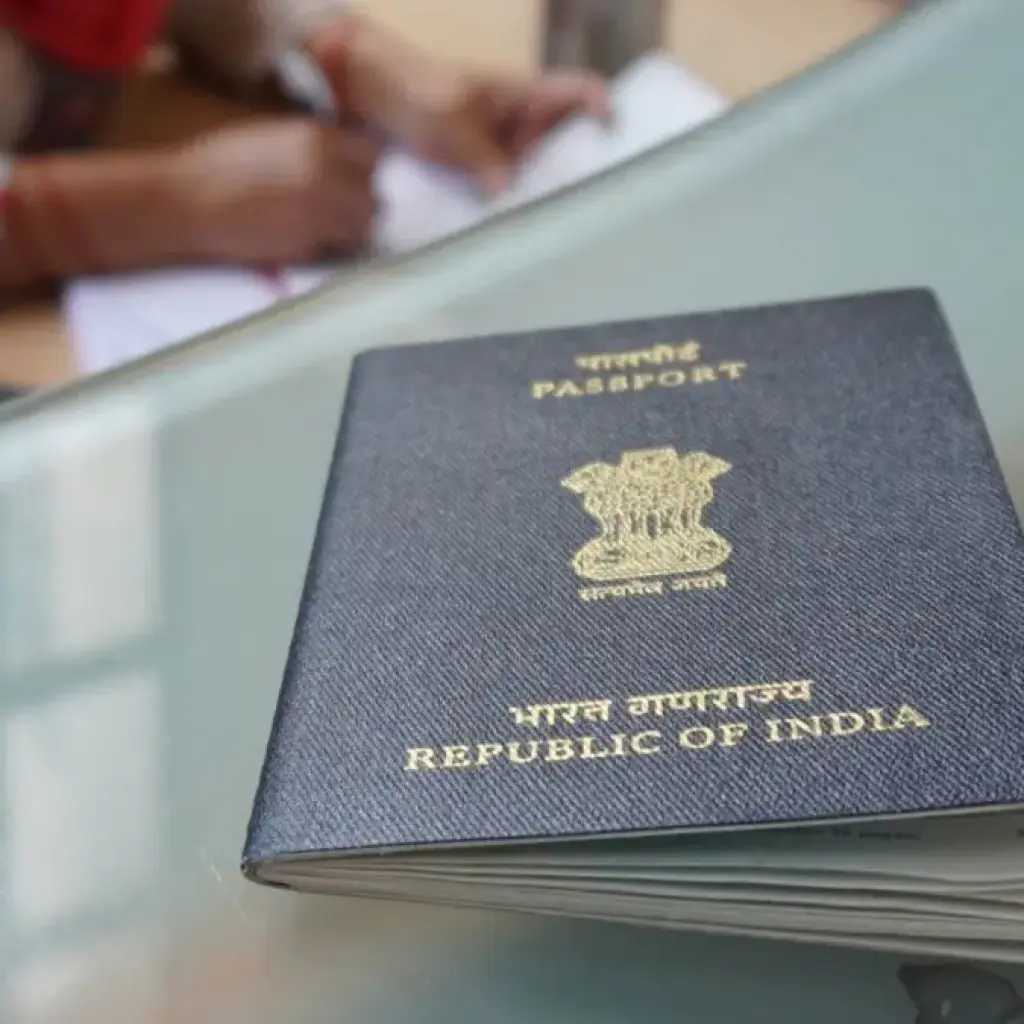
Dubai / Abu Dhabi, UAE: Indian expatriates residing in the UAE can proceed with a sense of relief as the Embassy of India, Abu Dhabi and the Consulate General of India, Dubai have officially clarified that the newly introduced chip-embedded e-passports will not require any additional biometric data capture at the UAE service centres, nor will they lead to any increase in application or renewal fees. The announcement was issued during a press briefing on 30 October 2025, and aims to dispel widespread concerns among the large Indian diaspora in the Emirates about extra costs and cumbersome new processes.
What’s Changing — and What Isn’t
Under India’s upgraded passport service programme (often referred to as “Passport Seva 2.0” abroad), the new generation of e-passports will include an embedded micro-chip that stores the holder’s personal and biometric information in a secure digital format. This aligns the travel document with global standards and aims to reduce forgery, accelerate immigration clearance and improve overall security while travelling internationally.
However, crucially for Indian residents in the UAE:
No additional biometric capture (fingerprints, iris scans) is being introduced at the moment for UAE-resident applicants. The photograph submitted by the applicant (meeting ICAO standards) will be the basis for embedding biometric data in the chip.
The application, renewal or re-issue fees for the passport remain unchanged — there are no surcharges or extra processing charges linked to the e-passport rollout.
Existing valid passports will continue to be recognised until their expiry; holders are not required to rush into re-applying solely to switch to the chip-enabled version.
In short: the upgrade is largely seamless from the applicant’s point of view — fewer new hurdles, no extra cost.
Why the Clarifications Matter
The UAE hosts one of the largest overseas Indian communities — comprising several million Indian nationals spread across Dubai, Abu Dhabi and the Northern Emirates. Many had grown anxious after media speculation that the e-passport upgrade would bring new data-collection mandates or cost hikes. These concerns ranged from fear of complex enrolment procedures to the prospect of paying more for the upgraded booklets.
By clarifying that no extra biometrics and no fee increase are involved, the missions are signalling that the upgrade will proceed with minimal disruption for expats. This helps maintain continuity for travel, renewal and other services — and reflects awareness of the practicalities for overseas residents who often balance multiple documentation rules.
What Applicants in the UAE Should Know
If you’re an Indian expatriate in the UAE considering a passport application or renewal now, here is what you need to keep in mind:
Whether you apply for a fresh issue or a renewal, if you choose the new e-passport format, you will not have to undergo extra physical biometric procedures beyond the standard photo submission.
Make sure your photograph meets ICAO standards (clear white background, full face visible, no heavy editing) because this photo forms part of the biometric embedding process.
Continue to use the regular service-centre channels — BLS International and other designated agencies — as before; the fee structure remains the same as published by the consulate.
If you currently hold a valid passport booklet, you are not required to immediately replace it with an e-passport unless you wish to. The old form remains valid until its expiry.
When the time comes for renewal, the new chip-enabled version will automatically be issued under the updated system without extra charges or new biometric enrolment (as clarified for UAE).
The Technical & Strategic Rationale
Introducing chip-enabled travel documents is part of India’s global passport modernisation drive. The embedded micro-chip allows encrypted storage of holder data, making forgery and tampering more difficult. For international immigration authorities, such documents facilitate e-gate passage, faster verification and better security alignment.
For the UAE-based Indian community, transitioning to the e-passport format aligns with both Indian government policy and the global travel-documentation framework. That means smoother overseas travel, improved document longevity and compliance with international norms. Given the volume of travel between the UAE and India, the move is essential for scale, security and convenience.
What Remains Unchanged
Importantly, the mission emphasised that while the e-passport rollout introduces a technical upgrade, the helping services, fee schedule, appointment scheduling and service-centre infrastructure remain unchanged for UAE applicants.
The fee schedule as published by the Consulate of India in Dubai continues as before with no surcharge listed for the e-passport variant.
The outsourced BLS International centres that handle application processing, document verification and hand-over remain the interface for applicants.
Police verification, where required, and residence-status checks continue under the same guidelines as before for expatriate applicants — the upgrade does not introduce new verification burdens solely due to the chip passport.
Travel rights, validity and international recognition of current valid passports remain intact until expiry.
What This Means for the Diaspora
For many Indian expatriates, documentation convenience and cost stability matter each time they travel, renew or apply for official Indian services from abroad. The announcement thus carries several benefits:
Reduces uncertainty: No surprise charges or new biometric enrolment means better planning.
Ensures affordability: The unchanged fees make the upgrade accessible without additional financial burden.
Protects continuity: Existing passports remain valid — no costly rush to switch or fear of invalidation.
Enhances future travel: While not immediate for all, the chip-enabled format will improve acceptance, processing speed and security in the longer term.
Final Word
In one stroke, India’s diplomatic missions in the UAE have offered a clear assurance: the transition to chip-embedded e-passports will introduce modern documentation without introducing extra cost or complexity for UAE-resident Indian nationals. For applicants, the path forward is familiar, stable and predictable — only the technology under the cover is evolving.
If you’re due for renewal or considering applying for a new passport in the UAE, you can proceed with confidence: your photo, documentation and fees remain the same, and you will enjoy the benefits of a next-generation passport format with no hidden surprises.