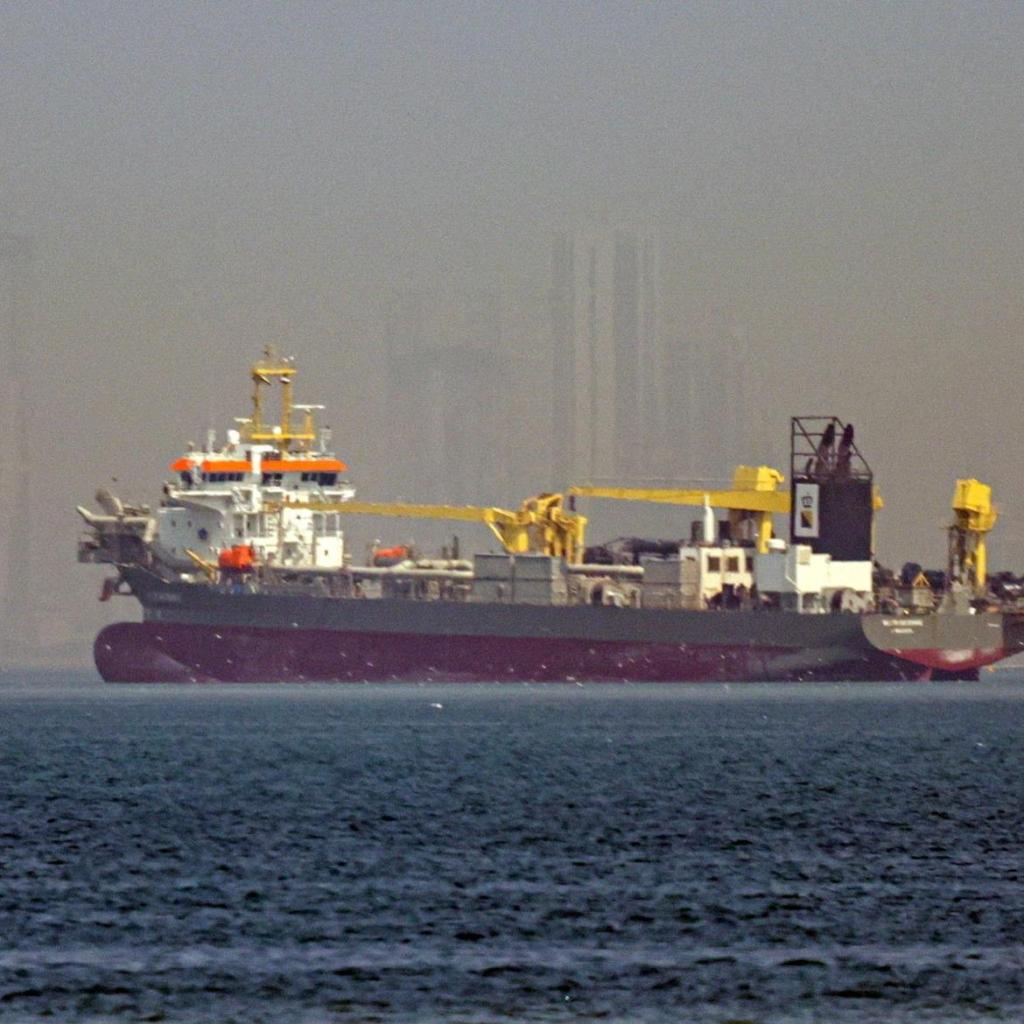
Iran has sharply escalated regional tensions after a senior official from the Islamic Revolutionary Guard Corps claimed that the strategically vital Strait of Hormuz has been closed, warning that any vessel attempting to pass through would be attacked and set “ablaze,” according to Iranian state media.
The statement, made on Monday, sent shockwaves through global energy and shipping markets, as the Strait of Hormuz is the world’s most critical oil transit route. Roughly 20 percent of global daily oil consumption passes through the narrow waterway, which at its tightest point measures just 33 kilometres and links major Gulf oil producers to international markets.
However, conflicting accounts quickly emerged. Fox News cited the United States Central Command as saying that the strait remained open, despite Iran’s threats. The differing claims have added to uncertainty in an already volatile regional environment.
In remarks carried by state media, Ebrahim Jabari, a senior adviser to the Guards’ commander-in-chief, declared that the waterway was closed and warned that Iran’s naval forces would respond forcefully to any shipping movement. The comments marked the most explicit threat to Hormuz shipping in years, following earlier warnings issued by the Guards over the weekend.
Earlier the same day, the Revolutionary Guards claimed they had attacked an allegedly US-linked oil tanker in the Strait of Hormuz. In a statement, the Guards said the vessel, identified as the ATHE NOVA tanker, was struck by two drones and was still on fire. The claim came as part of what Iran described as retaliatory strikes following US and Israeli military action.
Tensions have surged since US and Israeli strikes on Iran on February 28, which Tehran says were aimed at destabilising the country’s leadership. Donald Trump had previously threatened military action over Iran’s domestic crackdown on protests and its refusal to dismantle its nuclear programme. Among those reportedly killed in the initial strikes was Iran’s supreme leader, Ali Khamenei, a development that further inflamed hostilities.
In response, Iran launched ballistic missile attacks targeting Israel and Arab Gulf states hosting US military bases, including Qatar, Kuwait and the United Arab Emirates. Tehran’s declaration regarding Hormuz appears to fulfil long-standing threats to block the waterway in retaliation for any attack on the Islamic Republic.
Oil markets reacted swiftly, with prices jumping as much as 13 percent to their highest levels since January 2025, amid fears that a prolonged conflict could severely disrupt energy supplies. Major oil producers connected to the strait include Saudi Arabia, Iran, Iraq and the UAE.
The latest developments come as global shipping is already under strain due to drone and missile attacks in the Red Sea carried out by Yemen’s Iran-aligned Houthi rebels following the Gaza war that began in October 2023. Analysts warn that further escalation could destabilise the region and trigger far-reaching economic consequences.
Source : The Times of Israel
Image Source : Financial Times