Tensions across the Middle East have surged dramatically after Iran confirmed the killing of senior security official Ali Larijani in a series of Israeli strikes. The development marks a significant escalation in the ongoing conflict, with both nations intensifying military operations and the crisis rapidly spilling beyond their borders.
Larijani, who served as the secretary of Iran’s Supreme National Security Council, had become one of the most influential figures in the country following the reported death of Supreme Leader Ali Khamenei in an earlier strike. Alongside him, Israel also killed Gen. Gholam Reza Soleimani, the head of the Revolutionary Guard’s Basij force. Both men were key figures in Iran’s internal security apparatus and were closely associated with the state’s crackdown on protests earlier this year.
Iranian authorities acknowledged the deaths and signaled a swift response. On Wednesday, Iran launched a barrage of missiles toward Israel, setting off sirens across central regions, including Tel Aviv. Loud explosions echoed through the city as air defense systems attempted to intercept incoming threats. Despite these efforts, casualties were reported. Israel’s emergency service, Magen David Adom, confirmed that two people were killed in Ramat Gan, just east of Tel Aviv.
Israel has made it clear that the strikes targeting top Iranian officials were deliberate and strategic. Defense Minister Israel Katz stated that Larijani and Soleimani "were eliminated" in overnight operations. Prime Minister Benjamin Netanyahu said the objective was to weaken the Iranian leadership, adding that the strikes were aimed at "undermining this regime to give the Iranian people the opportunity to remove it." However, there have been no visible signs of renewed anti-government protests within Iran, as citizens remain focused on survival amid continuous bombardment.
The situation inside Iran remains tense. The killings coincided with preparations for Chaharshanbe Souri, a traditional pre-New Year celebration. Authorities have reportedly issued warnings discouraging public gatherings, citing fears that the festival could be used as a platform for unrest. At the same time, state media broadcast images of pro-government rallies, including armed supporters riding motorcycles and crowds waving national flags and portraits of Khamenei, projecting an image of unity.
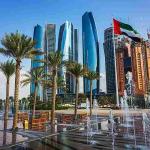
The conflict has also expanded beyond Iran and Israel, affecting multiple countries across the region. In Iraq, drones targeted the U.S. Embassy in Baghdad, with defense systems intercepting some of them. In the United Arab Emirates, explosions were heard in Dubai, followed by missile alerts. Officials later clarified that the sounds were due to successful interceptions by air defense systems. The UAE also reported damage to an oil facility in Fujairah and confirmed a fatality in Abu Dhabi caused by falling debris. These incidents highlight how the conflict is increasingly impacting neighboring nations.
Saudi Arabia and Qatar have also activated their air defense systems in response to incoming threats, signaling the widening scope of the crisis. The growing instability has raised serious concerns about global energy supplies, particularly due to Iran’s position on the Strait of Hormuz. This crucial route handles a significant portion of the world’s oil shipments, and Iranian officials have indicated that while it remains technically open, access is restricted for the United States, Israel, and their allies. Reports suggest that around 20 vessels have already been struck, contributing to rising oil prices and increased anxiety in global markets.
Amid these developments, former U.S. President Donald Trump said he had urged several countries to deploy warships to ensure safe passage through the strait. He also expressed frustration over what he described as a lack of international support, despite widespread agreement on preventing Iran from acquiring nuclear weapons.
European leaders, meanwhile, have taken a more cautious stance. Kaja Kallas emphasized that the European Union does not want to be drawn into the conflict, stating, "This is not Europe's war," and adding, "We were not consulted." French President Emmanuel Macron echoed a similar sentiment, saying France could assist in securing the Strait of Hormuz, but only after hostilities have subsided.
Israel has continued its military campaign, launching what it described as a "wide-scale wave of strikes" targeting Iranian command centers, missile launch sites, and air defense systems in Tehran. Due to internet outages and strict media controls, information from within Iran remains limited. However, the humanitarian toll continues to rise. The Iranian Red Crescent reports that more than 1,300 people have been killed in Iran since the conflict began on February 28.
The violence has also extended into Lebanon, where Israeli strikes targeting Iran-backed groups have resulted in multiple casualties and widespread destruction. In the Nabatiyeh district, several people were killed, and rescue teams are still searching for those trapped under debris. The broader impact has been severe, with over one million people displaced in Lebanon alone.
As the conflict intensifies, the risk of a prolonged and wider regional war continues to grow. With major global powers watching closely and key energy routes under threat, the situation remains highly volatile, with no immediate signs of de-escalation.
Source : Telegraph India
Image Source : Asharq Al-Awsat