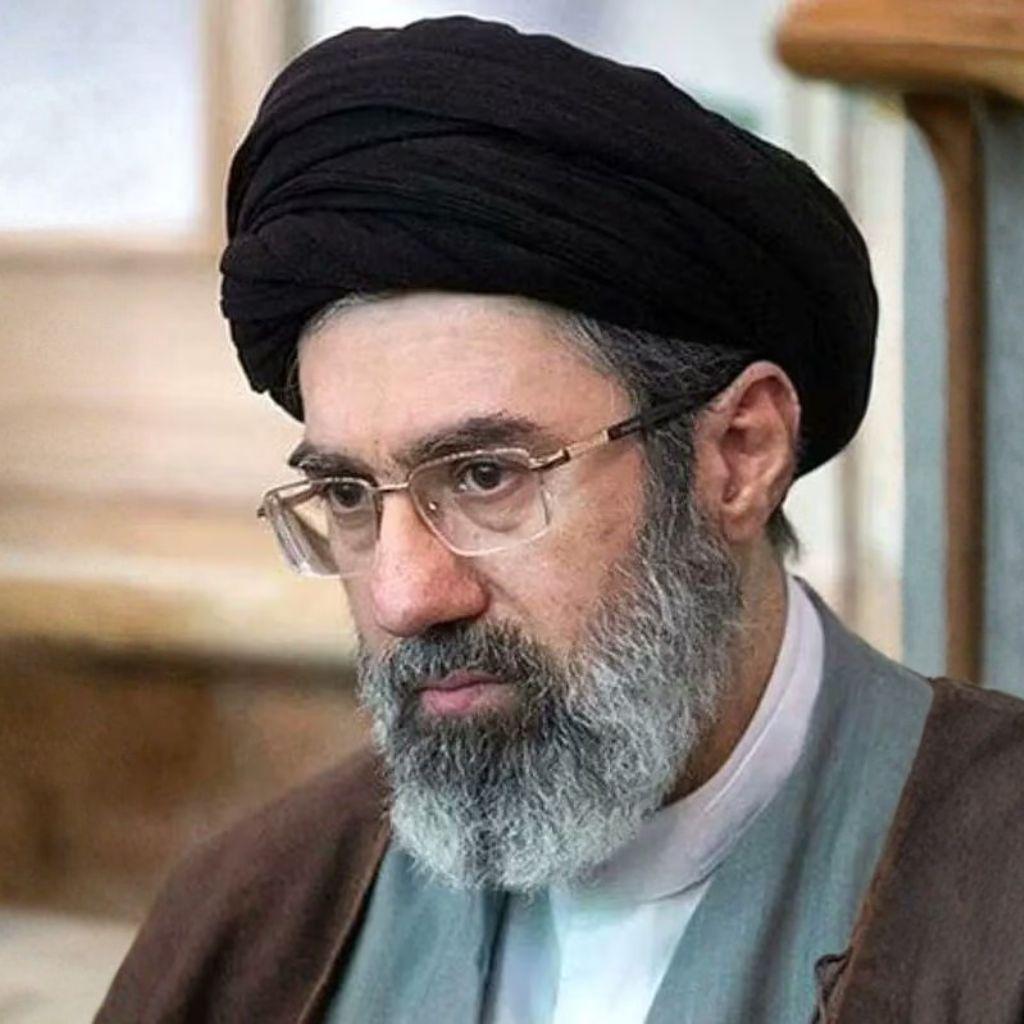
Iran has officially appointed Mojtaba Khamenei, the son of the late Ayatollah Ali Khamenei, as the country’s new Supreme Leader, according to Iranian state media reports. The decision was made by the Assembly of Experts, the powerful clerical body responsible for selecting the highest authority in the Islamic Republic.
Mojtaba Khamenei’s appointment comes after the death of his father, who had led Iran for more than three decades. Ali Khamenei was killed during the early days of the escalating conflict involving Iran, the United States, and Israel, which has intensified tensions across the Middle East.
The selection marks a major moment in Iran’s political history. Mojtaba becomes the third Supreme Leader of Iran since the establishment of the Islamic Republic following the 1979 revolution. His leadership also represents a controversial shift, as it is widely viewed as the closest example of a hereditary transition of power in the country’s modern political system.
Role of the Assembly of Experts
The decision to appoint a new Supreme Leader lies with the Assembly of Experts, a body made up of 88 senior Islamic clerics elected by the public. Under Iran’s constitution, this assembly has the authority to appoint, supervise, and if necessary dismiss the Supreme Leader.
Following the death of Ali Khamenei, the assembly held discussions to determine who should lead the country during a period of intense political and military pressure. After internal deliberations, Mojtaba Khamenei was selected as the successor.
The process also included a temporary leadership council that managed state affairs until a permanent leader was chosen. Once the assembly reached consensus, Mojtaba’s appointment was officially confirmed.
Who Is Mojtaba Khamenei?
Mojtaba Khamenei, a 56-year-old Shia cleric, has long been considered one of the most influential figures within Iran’s conservative political establishment. Although he has rarely held public government positions, analysts say he has played a significant role behind the scenes for many years.
Born in Mashhad, Iran, Mojtaba is the second son of Ali Khamenei. He studied Islamic theology at the Qom Seminary, one of the country’s most important religious centers. During his early years, he also served in the Islamic Revolutionary Guard Corps (IRGC) during the Iran-Iraq war.
Over the years, Mojtaba developed strong relationships with powerful institutions in Iran, including the Revolutionary Guards and conservative religious groups. These connections helped him gain significant influence within the country’s political and security networks.
Despite his influence, Mojtaba has largely stayed out of public political roles. However, he was widely considered one of the most likely successors to his father even before the recent conflict.
Support from Key Power Centers
Reports indicate that Mojtaba enjoys strong backing from several powerful factions within Iran’s leadership structure, particularly the Islamic Revolutionary Guard Corps. The IRGC is one of the most influential military and political institutions in Iran and plays a major role in shaping the country’s strategic decisions.
Support from these key power centers is believed to have been a significant factor in the decision to appoint him as Supreme Leader.
The Supreme Leader holds enormous authority in Iran’s political system. The position oversees the armed forces, judiciary, state broadcasting, and key national institutions, making it the most powerful office in the country.
Controversy Over the Appointment
Mojtaba’s selection has sparked debate both inside and outside Iran. Some analysts argue that the appointment resembles a dynastic transfer of power, something that contradicts the revolutionary ideals of the Islamic Republic, which originally opposed hereditary rule.
Critics say this could raise questions about political legitimacy, while supporters argue that Mojtaba has the experience and support needed to lead the country during a critical moment.
International reactions have also been mixed. Some Western leaders have criticized the appointment, while regional allies have welcomed the leadership change.
Leadership During a Time of Conflict
Mojtaba Khamenei assumes power during a particularly difficult time for Iran. The country is currently involved in escalating tensions and military confrontations with the United States and Israel. These conflicts have raised concerns about regional security and global energy markets.
Military strikes and counterattacks across the Middle East have already created instability in several countries. Analysts say the new leader will face major challenges in navigating the ongoing crisis while maintaining political stability inside Iran.
What Comes Next
With Mojtaba Khamenei now serving as Supreme Leader, Iran enters a new chapter in its political history. His leadership will likely shape the country’s policies on domestic governance, regional alliances, and international relations.
Observers will closely watch how he manages the current conflict and whether his leadership style differs from that of his father.
For now, Iran’s ruling establishment has signaled that it intends to maintain continuity in its political system, even as the country faces one of the most challenging periods in its recent history.
Source: Khaleej Times