A Conflict Spreading Beyond Borders
The ongoing conflict involving Iran is no longer limited to the Middle East. Its impact is now being felt across global food systems, affecting farmers, supply chains, and consumers in multiple regions. What began as disruptions in energy routes has quickly spread to agriculture, increasing the cost of food production and raising concerns about future shortages.
Countries that rely heavily on imported agricultural inputs are among the most affected. Nations across Asia and Africa, in particular, are facing growing uncertainty as essential supplies become more expensive and harder to access.
Fertiliser Supply Under Pressure
One of the most immediate effects of the conflict is the disruption of fertiliser supply. The Gulf region plays a key role in producing and exporting fertilisers, and any instability in the region directly affects global availability.
As supply tightens, prices have increased significantly. Farmers in countries like India and several African nations are already feeling the pressure. Higher fertiliser costs are forcing many to reduce usage, which could lead to lower crop yields in the coming seasons.
For small-scale farmers, especially in developing regions, this creates a serious challenge. Reduced productivity not only impacts their income but also threatens local food security.
Rising Costs Across the Food Chain
The impact of the conflict is not limited to fertilisers. Energy prices have also surged, increasing the cost of farming, transportation, and food processing.
Higher fuel prices mean increased expenses for irrigation, machinery, and logistics. Shipping disruptions and rising insurance costs are further slowing down the movement of both agricultural inputs and finished food products.
These combined pressures are pushing food prices higher across global markets. For consumers, especially in low-income regions, this could lead to reduced access to essential food items.
Supply Chains Facing Disruptions
The war has also disrupted key global trade routes, particularly through the Strait of Hormuz, a critical passage for energy and agricultural shipments.
With shipping delays and reduced cargo movement, countries dependent on imports are experiencing shortages and increased costs. Food-importing nations are particularly vulnerable, as delays in shipments can quickly translate into supply gaps and price spikes.
Growing Risks for Food Security
Experts warn that if the situation continues, the effects could become more severe over time. Lower fertiliser use combined with higher costs may reduce agricultural output, tightening food supplies later in the year.
Regions already facing food insecurity are at the greatest risk. In many parts of Africa and South Asia, where agriculture depends heavily on imported inputs, the impact could be immediate and widespread.
The Need for Long-Term Solutions
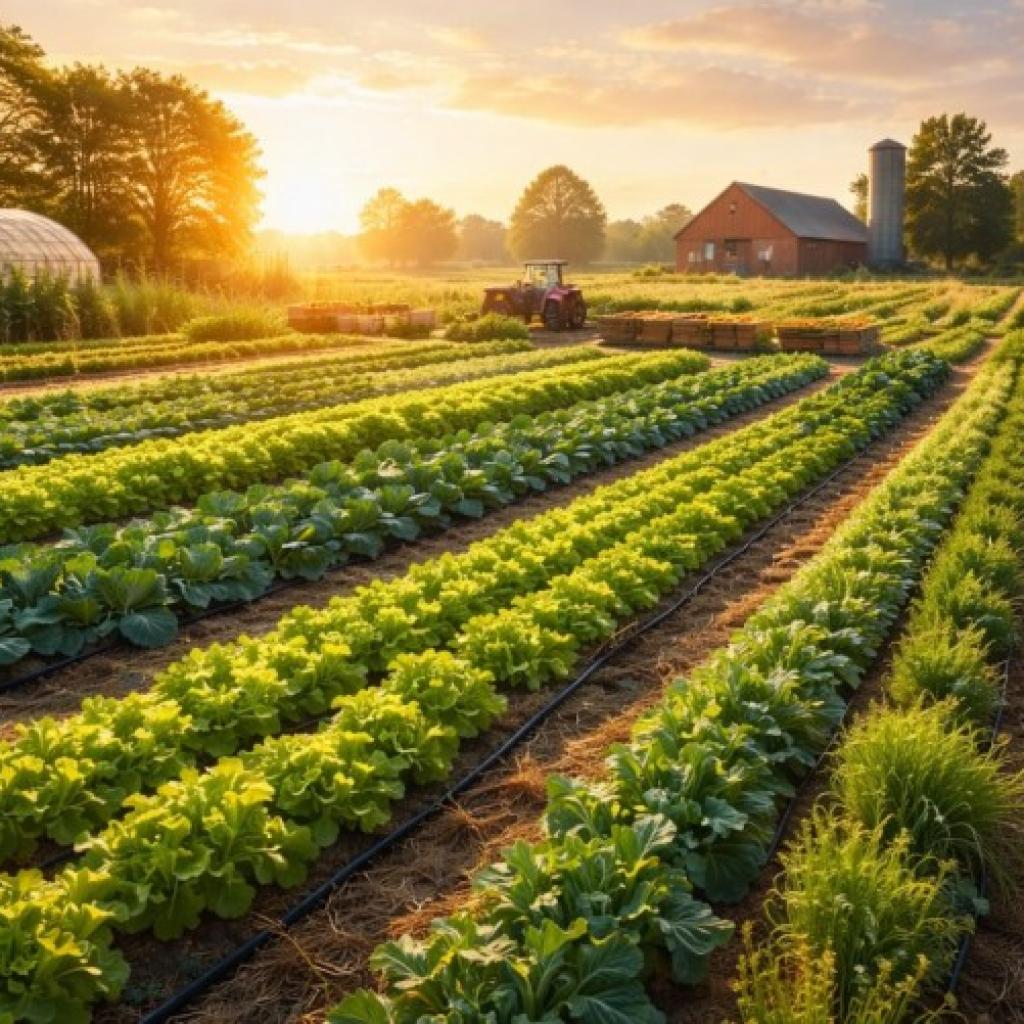
The current crisis highlights the need for stronger and more resilient food systems. Reducing dependence on imported fertilisers, investing in alternative crops, and improving local production can help countries manage future shocks more effectively.
Policymakers are also being urged to support farmers through subsidies, improved access to inputs, and better infrastructure. Without timely action, the ripple effects of the conflict could extend well beyond the current season.
A Global Issue Demanding Urgent Attention
The Iran conflict is a reminder of how closely linked energy, trade, and food systems are. While the fighting may be regional, its consequences are global.
As pressures continue to build, governments, industry leaders, and international organisations face a critical challenge: ensuring that food remains accessible and affordable, even in times of geopolitical uncertainty.
Source: Gulf News
Image: AI Generated