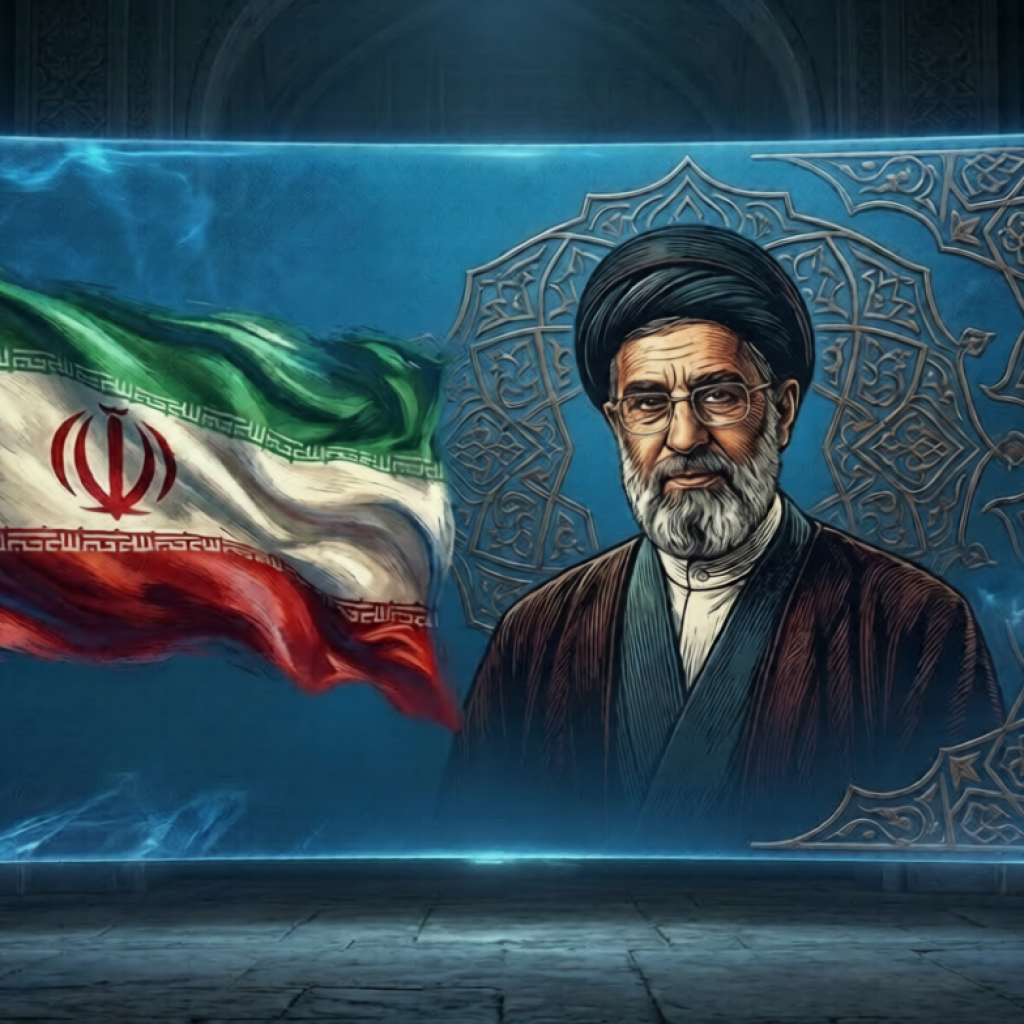
Iran’s new leader, Mojtaba Khamenei, recently delivered his first public message since taking power. The statement came during a period of intense regional tension and ongoing conflict involving Iran, the United States, and Israel. While the message was meant to show strength and determination, it also raised many questions among analysts and observers about who is truly in charge in Tehran.
A Leadership Change During Conflict
Mojtaba Khamenei became Iran’s new Supreme Leader after the death of his father, Ali Khamenei, who was killed during a major escalation in the conflict between Iran and its opponents earlier in 2026. The country’s Assembly of Experts later confirmed Mojtaba as the next Supreme Leader.
The position of Supreme Leader is the most powerful role in Iran’s political system. The leader controls the armed forces and has strong influence over the government, judiciary, and national security policies.
However, Mojtaba Khamenei has not appeared publicly since taking office. His first message was delivered through state media instead of being presented directly by him. This unusual approach has led to speculation about his health and whether he is actively directing Iran’s policies.
A Strong and Defiant Message
In the message broadcast on Iranian television, Khamenei promised that Iran would continue to resist pressure from its enemies. He warned that attacks against U.S. interests in the region could continue and suggested that Iran might keep the Strait of Hormuz closed as part of its strategy.
The Strait of Hormuz is one of the world’s most important oil shipping routes. Any disruption there can affect global energy supplies and increase fuel prices worldwide. Because of this, the statement immediately attracted global attention from governments and financial markets.
Khamenei also praised Iran’s allies and warned neighboring countries that hosting U.S. military bases could make them potential targets in the conflict. These comments reflected a firm and confrontational tone similar to the policies followed under his father’s leadership.
Questions About Who Is Calling the Shots
Despite the strong language in the message, many experts say the situation inside Iran’s leadership is still unclear. Because Mojtaba Khamenei has not appeared in public, some analysts believe that powerful institutions such as the Islamic Revolutionary Guard Corps (IRGC) may currently be playing a larger role in decision-making.
Reports also suggest that Khamenei may have been injured during recent attacks, which could explain why he has not spoken publicly or appeared in front of cameras. Some international leaders have even commented on the uncertainty surrounding his condition.
This uncertainty has created speculation about whether the new Supreme Leader is fully in control or whether other political and military figures are temporarily guiding the country’s strategy.
What It Means for the Region
Iran’s leadership transition is happening at a time of serious geopolitical tension in the Middle East. Ongoing clashes, military strikes, and threats against shipping routes have already raised concerns about regional security and global energy markets.
If Iran continues the hardline approach suggested in the message, tensions with Western countries and regional rivals could remain high. At the same time, the lack of public visibility from the new leader means many questions remain unanswered about the future direction of Iran’s government.
For now, Mojtaba Khamenei’s first message was intended to show strength and determination. However, the circumstances surrounding it have also fueled debate about leadership stability in Iran and who may actually be making the country’s most important decisions during this critical period.
Source: Gulf News