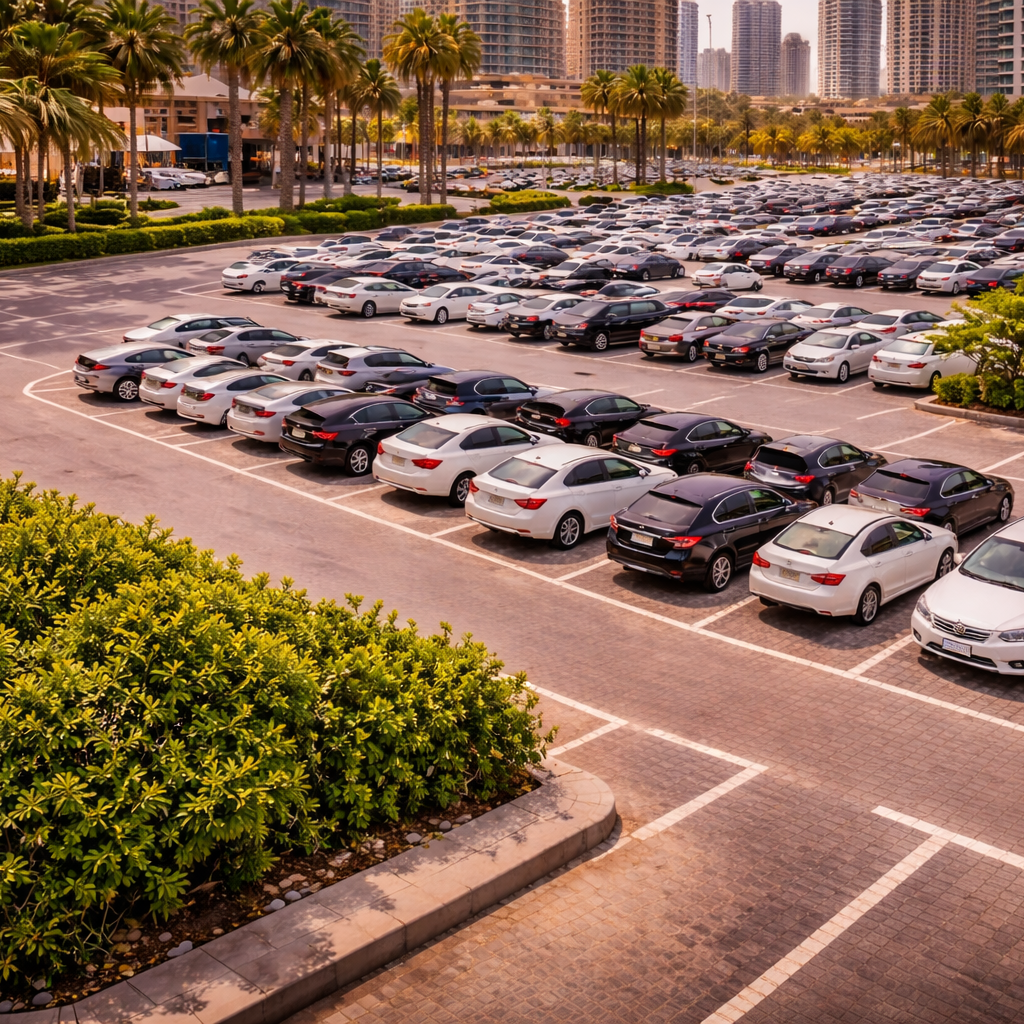
Motorists in Dubai may soon see changes in parking costs across the city, as Parkin Company PJSC has formally asked the Roads and Transport Authority (RTA) to approve adjustments to public parking tariffs and the structure of seasonal parking cards. The request, submitted in mid-February, signals a potential shift in how drivers pay for public parking and could lead to higher average fees if regulators give the green light.
Parkin, the largest operator of paid public parking facilities in Dubai, is seeking these revisions against the backdrop of rapid expansion in paid parking zones and new pricing systems introduced in recent years. The proposed changes aim to reduce pricing disparities that have emerged since last year’s introduction of a variable tariff system and to better align seasonal parking products with current market conditions.
A Growing Parking Network and Changing Patterns
Dubai has seen a significant overhaul of its parking landscape in recent years. The Roads and Transport Authority (RTA), in partnership with Parkin, rolled out a variable parking tariff structure in 2025, replacing the older flat-rate system in an effort to improve traffic flow and parking availability in high-demand areas. Under this model, fees vary across different zones and peak versus off-peak hours, encouraging turnover and easing congestion in busy parts of the city.
The introduction of variable pricing resulted in a noticeable rise in the weighted average hourly parking rate, which climbed by around 51 per cent to Dh3.03 in the third quarter of 2025 compared with the previous year. This shift reflects both the raw tariff increases and a broader change in how drivers interact with parking infrastructure across the emirate.
In addition to updating tariffs, Parkin has been actively expanding its portfolio of publicly paid parking spaces. As of late 2025, the company managed more than 229,000 paid parking spaces, encompassing on-street spaces as well as developer-managed locations integrated into the public system. This expansion supports Dubai’s broader mobility strategy focused on efficient urban transport and smart city solutions.
The Proposal: What It Could Mean for Drivers
In its proposal to the RTA, Parkin highlighted plans to adjust both the weighted average public parking tariff and the structure of seasonal parking cards prepaid permits that allow frequent users to park without paying hourly fees. These cards became increasingly popular after the variable pricing system took effect, as many drivers opted for season passes to cut costs and simplify parking payments.
Parkin reports that seasonal card sales surged by about 140 per cent during the final quarter of 2025, demonstrating strong demand for subscription-based parking solutions. However, the company notes that price differences between the hourly variable tariffs and seasonal cards have created a “price arbitrage” a situation in which certain parking products are seen as offering disproportionate value compared with others. The proposed changes are designed to reduce this imbalance while maintaining long-term cost fairness for drivers and sustainability for operators.
Under the suggested adjustments, seasonal card pricing could be updated alongside revisions to the tariff mix potentially increasing the weighted average parking cost paid by motorists. However, Parkin also emphasises that its proposals include measures to retain existing discount frameworks for long-term users, so frequent commuters and residents with subscription cards could still benefit from discounted parking rates compared with hourly fees.
Regulatory Review and Next Steps
The RTA has acknowledged receipt of Parkin’s submission and confirmed that it will undertake a detailed review of the proposed tariff changes. This evaluation process involves assessing the impact of adjustments on daily commuters, residents, businesses and the overall transport ecosystem before referring the matter to Dubai’s Executive Council for final guidance and approval.
If approved, the revisions could be implemented later this year, reshaping how drivers budget for parking across busy commercial, residential and transit-oriented zones. Given the size of Dubai’s parking network and the reliance on paid parking for urban mobility management, any change to costs could have ripple effects on commuting behaviour and transportation planning.
Context: How Parking Has Changed in Dubai
Dubai’s embrace of paid parking is part of a broader shift towards smart mobility solutions as the city manages traffic growth and increasing vehicle density. Paid parking is now part of the urban fabric in many neighbourhoods, with zones clearly signposted and integrated with city apps for ease of payment.
Expanded paid parking zones, such as those introduced in Dubai Maritime City and International City, have made parking charges a regular part of urban life for residents and visitors alike. Rates range based on time and location, and drivers can choose between short-term hourly payments and longer-term permits, depending on their usage patterns.
The system also supports Dubai’s smart city ambitions, with initiatives underway to transition more parking spaces to automated, barrier-free management systems and improve the overall user experience through digital tools.
What Drivers Should Expect
For the public, the potential adjustments underline the importance of staying informed about tariff updates and seasonal card pricing structures. Many drivers have already shifted to seasonal parking passes to minimise costs under the variable tariff regime. If Parkin’s proposal leads to increased weighted average parking fees or altered subscription models, commuters may need to recalibrate how they budget for daily travel expenses.
While the exact outcomes remain pending regulatory approval, the dialogue between Parkin and the RTA highlights a continued evolution in Dubai’s transportation ecosystem one that seeks to balance operational revenue, efficient parking management and equitable cost structures for motorists.