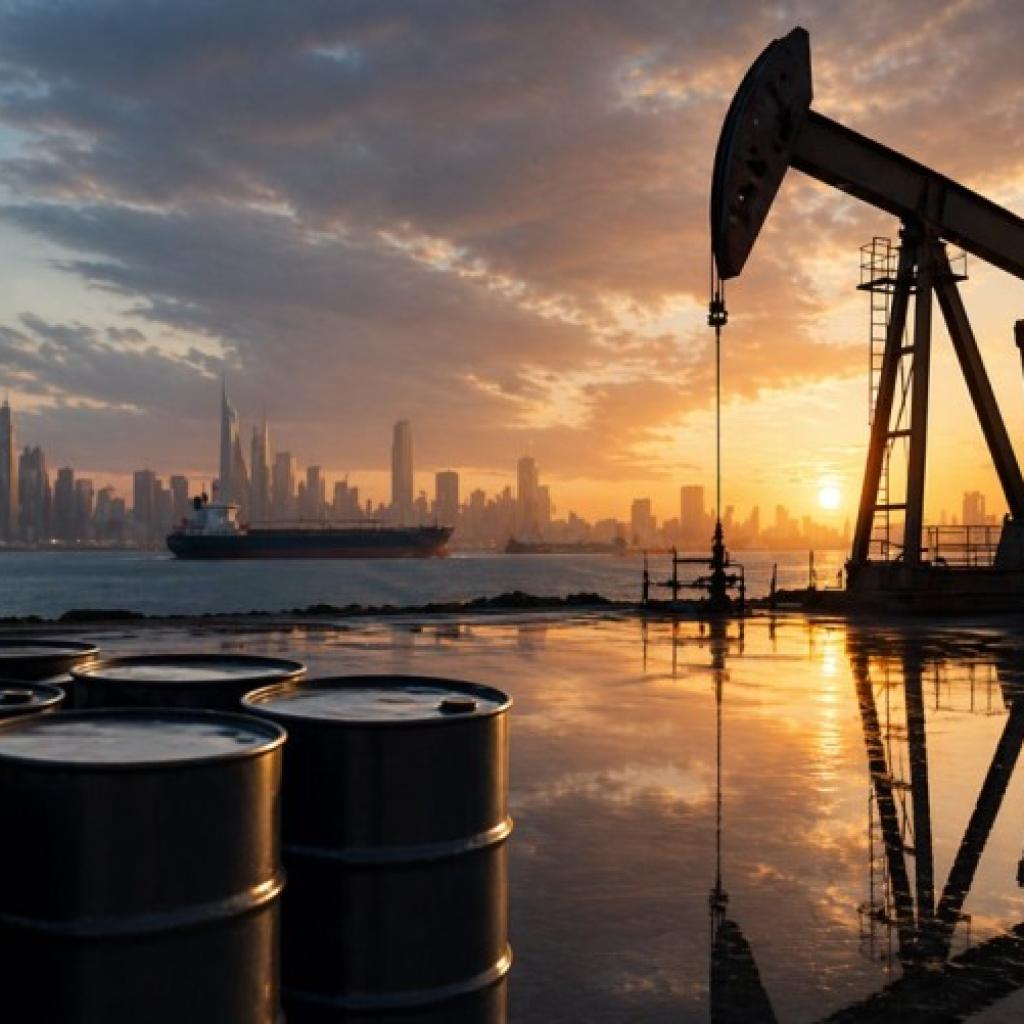
Rising tension in global oil markets
The ongoing conflict involving Iran has created fresh instability in the global oil trade, raising questions about the strength of the long-standing “petrodollar” system. For decades, oil has been traded mainly in US dollars, reinforcing the dollar’s dominance in global finance. But recent disruptions linked to the war are now putting that structure under strain.
According to market observers, the escalation of military activity in the Middle East has turned oil trading into a highly sensitive geopolitical issue. The Strait of Hormuz—one of the world’s most important oil shipping routes—has become a major point of concern, with shipping activity and energy flows facing repeated interruptions.
The Strait of Hormuz: a fragile chokepoint
The Strait of Hormuz is critical for global energy supply, handling a significant share of the world’s seaborne oil trade. Any disruption in this narrow waterway has immediate consequences for global prices and supply chains.
During the ongoing conflict, tanker movement through the strait has slowed sharply due to security risks and regional military activity. This has led to delays, higher shipping insurance costs, and reduced export volumes from key Gulf producers. In some periods, energy flows through the region have fallen far below normal levels, tightening global supply.
Experts say even short disruptions in this corridor can quickly translate into price volatility in global crude markets.
Oil prices react to supply fears
The conflict has already pushed oil markets into a “risk premium” phase, where prices rise due to uncertainty rather than actual shortages alone. Traders are increasingly factoring in the possibility of further escalation, infrastructure damage, or shipping restrictions.
Reports indicate that oil prices have surged during key escalations, with Brent crude moving higher whenever tensions rise around Gulf shipping routes or military strikes occur. Market analysts warn that sustained instability could keep prices elevated for a longer period, especially if supply chains remain disrupted.
This volatility is not only affecting producers but also importing nations, which are facing higher fuel costs and inflationary pressure.
Is the petrodollar system weakening?
Beyond oil prices, a deeper debate is emerging: whether the petrodollar system itself is starting to lose strength.
The system, established in the 1970s, depends on three pillars: US geopolitical influence, global oil pricing in dollars, and Gulf state financial recycling into US assets. However, the current war is challenging these foundations.
Some analysts argue that Gulf nations are increasingly questioning the reliability of long-standing security guarantees. As regional infrastructure faces repeated threats, trust in traditional alliances is being reassessed.
There are also signs of diversification in global trade settlements, with some countries exploring alternative currencies and payment mechanisms for energy transactions, though the dollar remains dominant for now.
Economic ripple effects across regions
The impact of the conflict extends beyond oil markets. Higher energy prices are feeding inflation globally, increasing transportation costs, and affecting manufacturing and logistics chains.
For Gulf economies, which depend heavily on oil exports, the instability creates both financial and strategic challenges. Damaged infrastructure and disrupted trade routes are adding pressure to national budgets and long-term investment plans.
Insurance premiums for shipping have also increased sharply, adding further cost burdens to global trade.
A fragile outlook for global energy stability
While the oil market has experienced crises before, analysts say the current situation is different because of the combination of military escalation, strategic chokepoints, and financial uncertainty around the petrodollar system.
Most experts agree that stability will depend heavily on whether tensions in the region de-escalate. If the conflict continues or expands, energy markets could remain volatile, with long-term implications for global trade and financial systems.
For now, the world oil market remains highly sensitive, and even small developments in the Iran conflict are capable of moving prices and reshaping expectations across global economies.
Source: Gulf News
Image: AI Generated