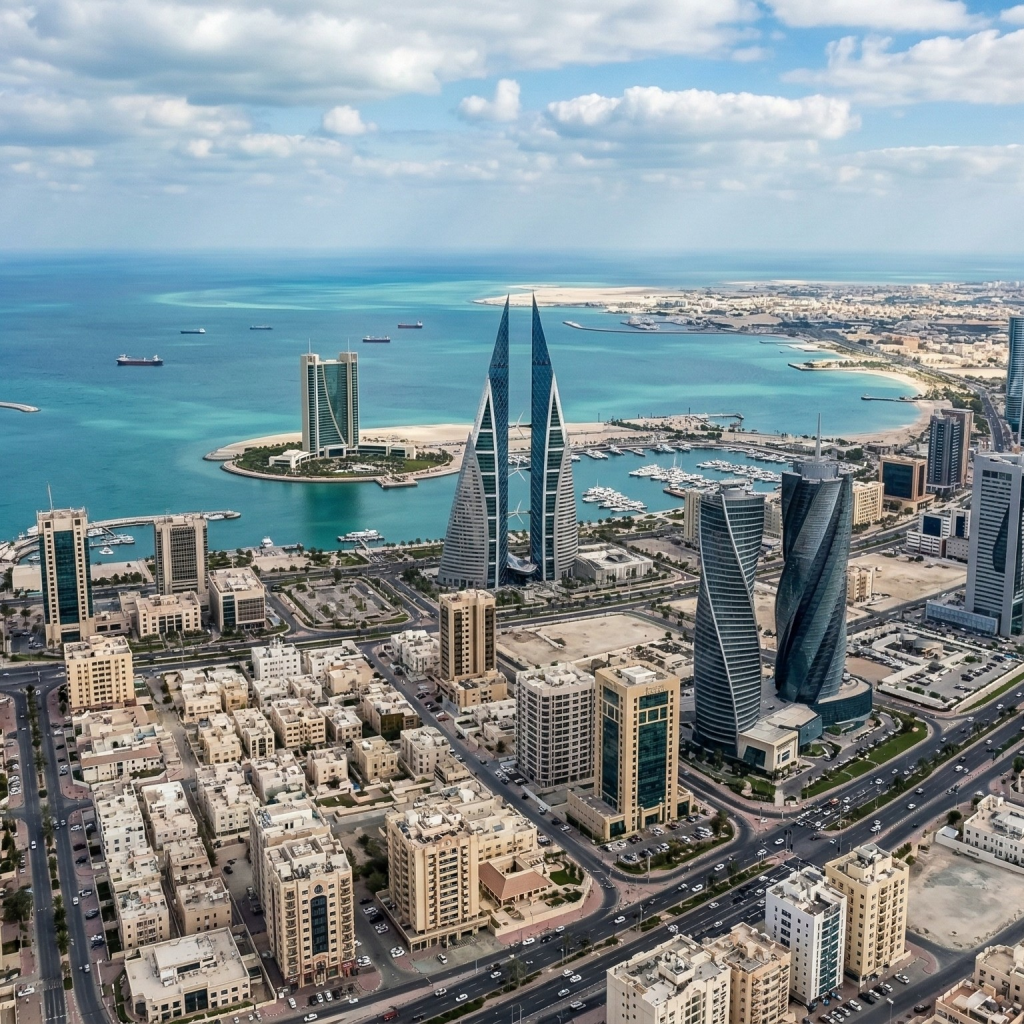
Qatar has confirmed that members of its naval forces were present in buildings in Bahrain that were targeted during recent Iranian strikes in the Gulf region. The Qatari government strongly condemned the attack and described it as a dangerous escalation that threatens regional security.
According to an official statement from Qatar’s Ministry of Foreign Affairs, the buildings hit in Bahrain were housing personnel from the Qatar Emiri Naval Forces. These forces were operating as part of the Unified Maritime Operations Center, which is linked to the joint military command of the Gulf Cooperation Council (GCC). The facility plays an important role in coordinating maritime security operations among GCC member states.
Qatar stated that its naval personnel stationed at the targeted location were safe and that no injuries were reportedamong them. Authorities also said that the Qatari embassy in Bahrain has been closely following the situation and coordinating with Bahraini officials to ensure the safety and well-being of all personnel involved.
Qatar Condemns the Attack
In its statement, Qatar strongly criticized the strike and said targeting facilities that host joint Gulf forces is a serious and unacceptable act. Officials said such actions threaten the security of Bahrain and the broader Gulf region.
The Qatari government emphasized that attacks on facilities connected to regional military cooperation undermine the principles of sovereignty, good neighborly relations, and regional stability. The Ministry of Foreign Affairs stressed that Gulf countries must work together to protect shared security interests.
Qatar also expressed full solidarity with Bahrain following the incident. Officials reaffirmed their support for the kingdom and said they stand with Bahrain in confronting any threats to its safety and sovereignty.
Part of Wider Regional Conflict
The strike on Bahrain occurred during a period of heightened tension across the Middle East. The conflict escalated after military strikes involving the United States and Israel targeted sites inside Iran. Iran responded by launching missiles and drones at several locations across the Gulf region.
Multiple Gulf countries, including Bahrain, Qatar, the United Arab Emirates, and Kuwait, reported aerial threats and missile interceptions during the escalation. Some of the attacks were aimed at military bases and facilities linked to the United States and its allies in the region.
Bahrain, which hosts the headquarters of the United States Navy’s Fifth Fleet, has been considered a strategic location in the region. Iranian retaliatory strikes reportedly targeted several facilities in Bahrain, including areas associated with military operations and infrastructure.
Security Concerns Across the Gulf
The attacks have raised serious concerns among Gulf nations about regional security and the possibility of further escalation. Governments across the region have increased security measures and activated air defense systems to intercept incoming missiles and drones.
In response to the situation, some Gulf states temporarily closed their airspace or imposed restrictions on air travel. Authorities have also urged residents to remain alert and follow official safety guidance as tensions continue to unfold.
Military analysts say the targeting of Gulf countries reflects the widening scope of the conflict. While many attacks have been directed at U.S. military installations or assets linked to American forces, several strikes have also affected infrastructure and locations in allied Gulf states.
This has heightened fears that the conflict could spread further across the region if diplomatic solutions are not found.
Importance of GCC Military Cooperation
The presence of Qatari naval personnel in Bahrain highlights the close military cooperation among members of the Gulf Cooperation Council. GCC countries often conduct joint operations and maintain shared facilities to strengthen maritime security and protect vital shipping routes.
The Unified Maritime Operations Center, where Qatari forces were stationed, is part of the broader GCC defense system designed to coordinate responses to regional threats. The center helps member states share intelligence, monitor maritime activities, and conduct joint operations aimed at protecting Gulf waters.
Experts say these cooperative defense efforts are crucial because the Gulf region contains some of the world’s most important energy shipping routes. Disruptions in this area could have major consequences for global oil and gas markets.
Calls for Stability
Following the attack, Qatar reiterated its call for restraint and emphasized the importance of maintaining stability in the region. Officials warned that continued escalation could threaten not only Gulf countries but also international security and global economic stability.
Regional leaders have increasingly urged diplomatic dialogue to prevent the conflict from spreading further. Many governments believe that maintaining cooperation among Gulf states will be key to managing the current security challenges.
For now, Qatar has confirmed that its naval personnel in Bahrain remain safe and that authorities continue to monitor developments closely. The incident, however, serves as another reminder of the rising tensions in the Middle East and the potential risks faced by countries in the region.
Source: Gulf News