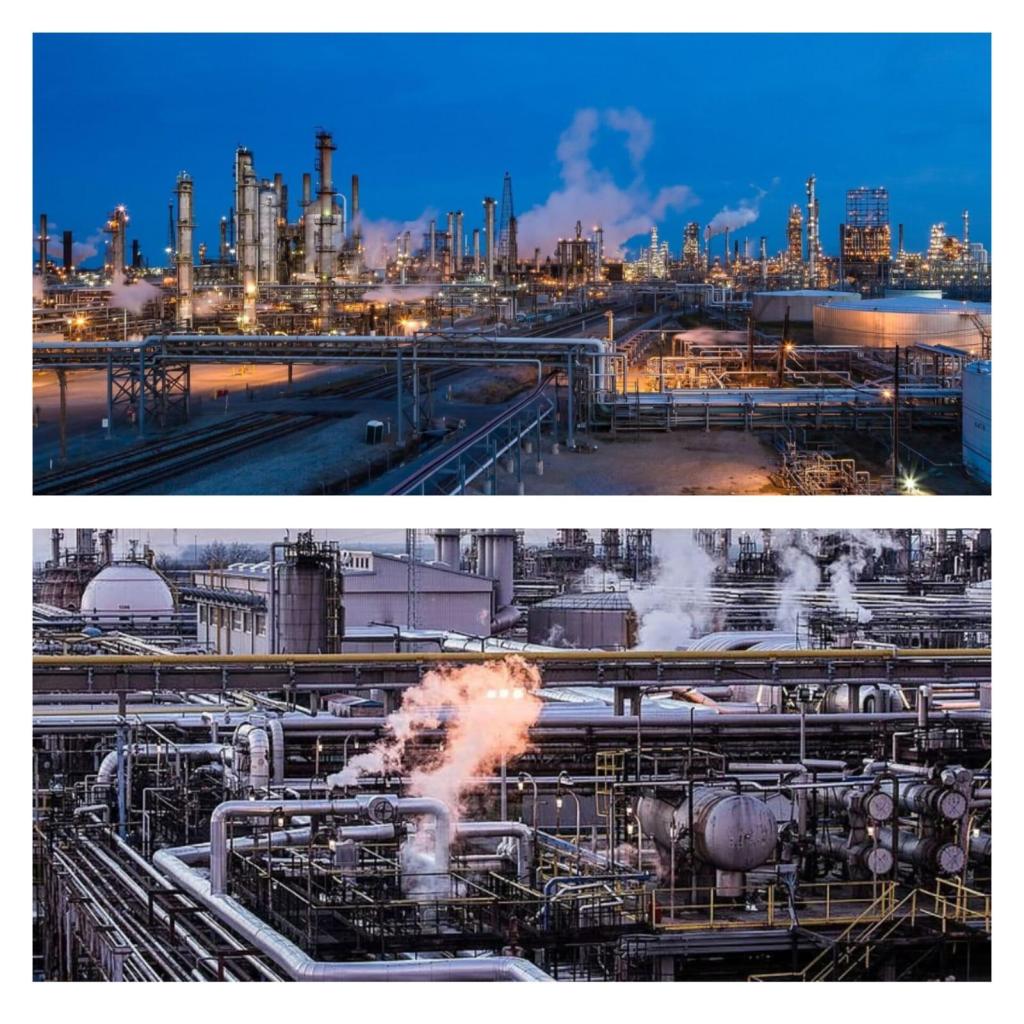
Energy Markets React to Strait of Hormuz Risks
Escalating regional tensions involving Iran, Israel and the United States have placed fresh pressure on global energy markets, with crude oil prices climbing sharply in recent trading sessions. At the centre of investor concern is the Strait of Hormuz — a narrow but strategically vital waterway through which roughly one-fifth of the world’s oil supply passes every day.
Any perception of instability around this corridor immediately affects oil pricing. Even without confirmed physical disruption to shipments, markets respond to risk premiums. Tanker insurance costs typically rise, shipping routes may be adjusted, and traders factor in the possibility of supply bottlenecks. This risk-based pricing dynamic has contributed to recent upward movements in Brent crude benchmarks.
For the UAE and wider Gulf region, the Strait’s stability is directly tied to export flows and global supply chains. Although there has been no confirmed long-term shutdown of maritime traffic, the mere possibility of disruption during heightened military activity is enough to trigger volatility in oil futures markets.
Why Oil Prices Rise During Regional Conflict
Oil markets are highly sensitive to geopolitical developments, particularly when they involve major producing or transit regions. The current situation has led investors to reassess supply reliability. When traders anticipate potential shortages — even temporary ones — they increase buying activity, which pushes prices higher.
In addition to shipping risks, broader military escalation can affect refinery operations, storage logistics and regional trade confidence. These factors combine to create upward price momentum in global crude markets.
For a country like the UAE — itself a major oil producer and exporter — higher global crude prices can present mixed outcomes. On one hand, increased oil revenue can strengthen fiscal balances. On the other, domestic consumers may face rising fuel and transportation costs depending on global price transmission mechanisms.
How UAE Petrol Pricing Works
Unlike some countries that fix fuel prices for extended periods, the UAE follows a monthly fuel price adjustment system overseen by the national Fuel Price Committee. Retail petrol and diesel prices are revised based on international crude benchmarks, distribution costs and global market conditions.
This system is designed to maintain transparency and align local pricing with international trends. As a result, when Brent crude rises due to geopolitical tensions, UAE pump prices typically adjust in the following monthly review cycle.
However, immediate spikes are often tempered by structured pricing mechanisms and broader economic considerations. The UAE government has historically aimed to balance fiscal sustainability with consumer affordability, especially during periods of global uncertainty.
Impact on Consumers and Cost of Living
If crude oil remains elevated for a prolonged period, the impact extends beyond fuel stations. Petrol and diesel prices influence:
- Public and private transport costs
- Delivery and logistics expenses
- Airline operating costs
- Food and imported goods pricing
In the UAE, where a significant portion of consumer goods is imported, higher transportation expenses can gradually feed into retail pricing. This does not occur overnight but develops over weeks or months if elevated oil prices persist.
For households, this may translate into marginal increases in commuting expenses and overall living costs. For businesses, especially those dependent on transport and supply chains, operating margins can narrow unless costs are adjusted.
Regional Stability Still a Key Factor
It is important to note that oil market reactions are driven by perceived risk rather than confirmed supply collapse. As of now, there has been no verified long-term halt in Gulf oil exports. Maritime monitoring continues, and regional authorities remain focused on maintaining navigational security.
Financial analysts emphasise that markets often stabilise once clearer geopolitical signals emerge. Should tensions ease or shipping continue uninterrupted, risk premiums embedded in crude prices could soften.
Balancing Economic Resilience and Preparedness
The UAE’s diversified economy, strategic oil reserves and structured fuel pricing model provide a buffer against immediate shocks. While the current geopolitical climate has introduced volatility into global energy markets, domestic policy tools help manage short-term consumer impact.
For residents, the key takeaway is awareness rather than alarm. Fuel price adjustments are tied to global benchmarks, and while higher oil prices can influence the cost of living, existing regulatory mechanisms are designed to smooth sudden spikes.
As regional developments continue to unfold, energy markets will remain sensitive to security updates around the Strait of Hormuz and broader Gulf stability. In the meantime, authorities and market participants are closely monitoring conditions to ensure economic continuity and supply reliability.
In periods of geopolitical strain, preparedness and reliance on verified information remain essential — both for investors tracking oil markets and for households planning monthly budgets.
source
https://gulfnews.com/