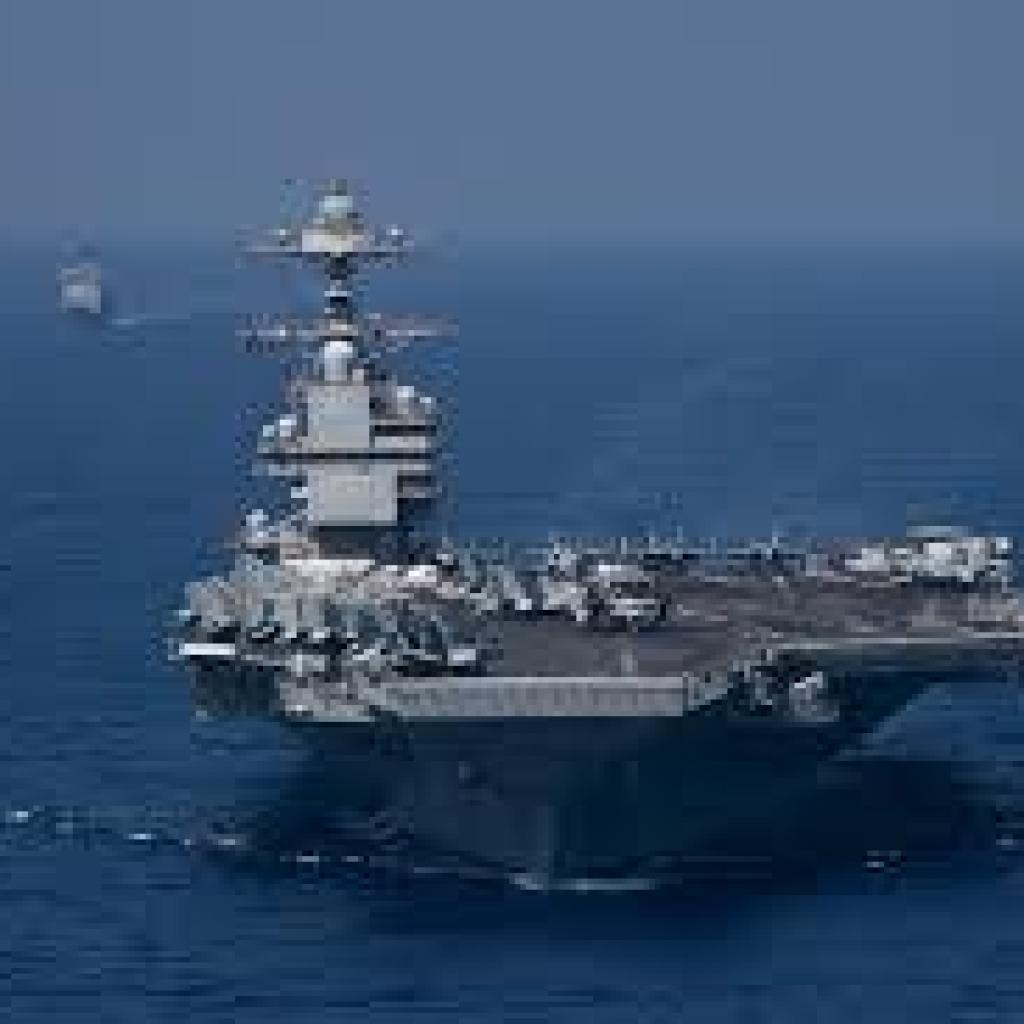
The world’s largest warship, the nuclear-powered USS Gerald R. Ford, arrived at Souda Bay on the island of Crete, Greece, on February 23, 2026, as part of its ongoing deployment toward the Middle East. The arrival marks a significant step in the United States’ naval positioning in the eastern Mediterranean, a region that has seen increased military activity in recent months due to evolving geopolitical developments.
Souda Bay functions as a critical strategic facility for NATO and serves as an essential logistics hub for the United States, Greece, and allied forces operating across the Mediterranean. The base provides deep-water port access and advanced airfield capabilities, allowing large-scale naval and air operations to be supported efficiently. According to defense officials, the USS Gerald R. Ford is expected to remain at the base for several days to refuel, resupply, and conduct routine operational coordination before continuing its mission further east.
The deployment comes at a time of heightened tensions involving Iran, with regional security concerns continuing to shape military planning and diplomatic engagement. The presence of one of the most advanced aircraft carriers in the world is viewed as part of broader strategic positioning intended to ensure readiness and deterrence while diplomatic efforts continue.
Regional developments
The movement of the carrier coincides with ongoing political and security developments across the region. Reports indicate continued protests in Tehran, reflecting internal tensions alongside external diplomatic challenges. Analysts note that domestic developments within Iran are unfolding simultaneously with renewed international focus on nuclear negotiations and regional security.
U.S. officials have stated that both diplomatic and military options remain under consideration as policymakers monitor developments. Donald Trump has called on Tehran to scale back its nuclear program, ballistic missile activities, and support for regional armed groups. These statements come amid ongoing discussions among Western allies regarding the future direction of negotiations and enforcement mechanisms.
According to The New York Times, U.S. leadership is reviewing a range of policy options should diplomatic efforts fail to produce measurable progress. Officials have emphasized that no final decisions have been made and that negotiations remain a priority. The report highlights continued coordination between diplomatic and defense channels as part of a broader strategic approach.
Attention has also turned to Iran’s leadership, particularly Supreme Leader Ali Khamenei, as international pressure continues to focus on Iran’s nuclear trajectory and regional activities. Observers note that leadership signals from Tehran will likely influence the direction and pace of upcoming negotiations.
Military posture and diplomacy
The USS Gerald R. Ford represents one of the most technologically advanced aircraft carriers currently in service, capable of carrying more than 75 aircraft along with sophisticated radar, electronic warfare, and defense systems. Its deployment enhances rapid-response capability across a wide operational area and allows for coordinated operations with allied forces already positioned in the region.
The stop at Souda Bay also underscores Greece’s strategic role in supporting allied operations through access to key maritime and air infrastructure. Over the past decade, cooperation between the United States and Greece has expanded significantly, particularly in the areas of logistics, training, and joint operations.
Meanwhile, diplomatic discussions related to Iran’s nuclear program are continuing in Geneva. While negotiations remain ongoing, the simultaneous movement of major naval assets highlights the seriousness of the current geopolitical environment and the continued balance between diplomatic engagement and military preparedness.
Source: Gulf News
Image source: UK Defence Journal