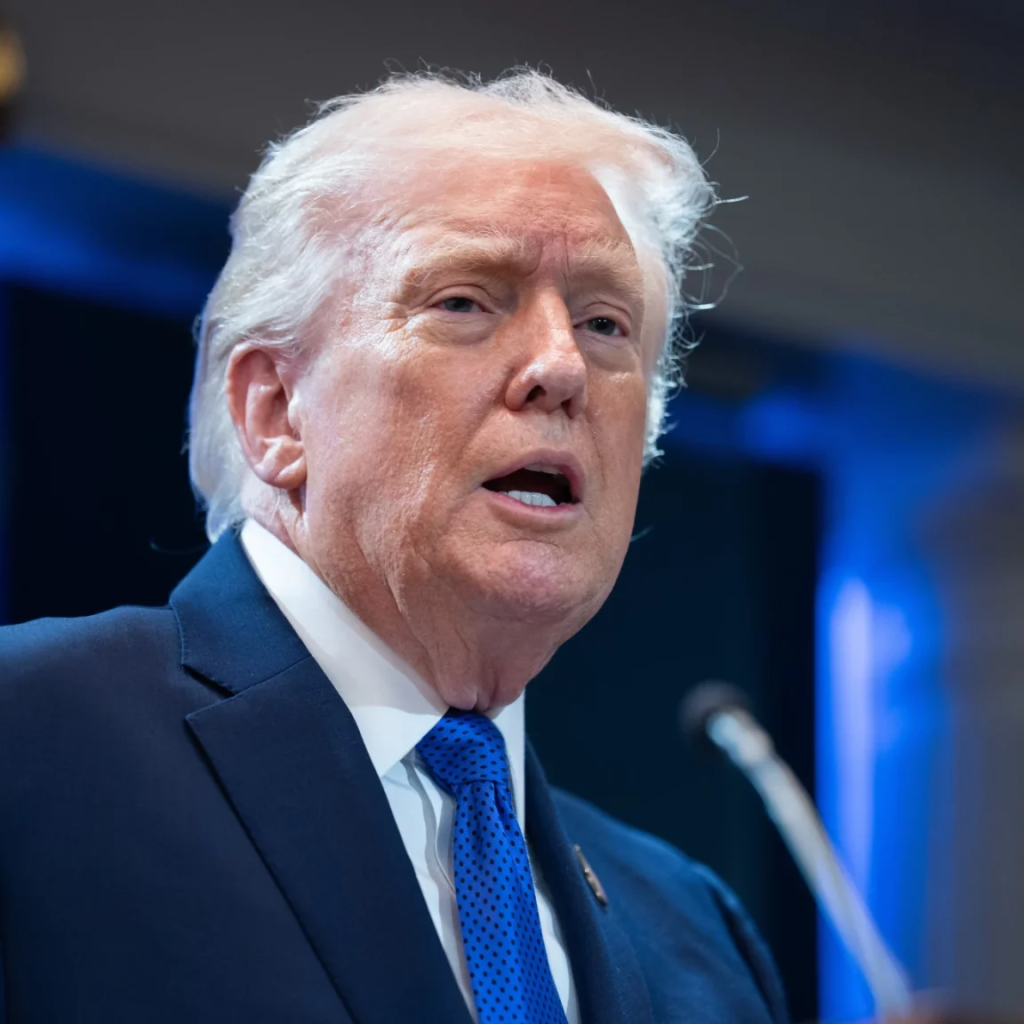
Palm Beach: US President Donald Trump has indicated that the ongoing military campaign against Iran could last up to four weeks, as American and Israeli strikes continue to pound key targets across the country. The remarks come amid one of the most intense periods of conflict in the region in decades.
Speaking on Sunday in an interview with the Daily Mail, Trump outlined his expectations for the duration of the operation, suggesting that the military campaign was designed to be relatively short but decisive.
“It’s always been a four-week process. We figured it will be four weeks or so,” Trump said, adding that despite Iran’s size and strength, the timeframe could be shorter. “As strong as it is, it’s a big country, it’ll take four weeks - or less,” he stated.
Strikes Continue After Leadership Decapitation
The conflict escalated dramatically after coordinated American and Israeli airstrikes targeted high-level military and political infrastructure in Iran. Iranian authorities confirmed that the strikes resulted in the death of Supreme Leader Ayatollah Ali Khamenei, along with several senior officials.
Since the beginning of the military campaign, Iranian leaders have reported that more than 200 people have been killed. The strikes have reportedly crippled parts of Iran’s defense capabilities, damaging military installations, command centers and strategic assets.
While Washington and its allies have described the operation as necessary to neutralize security threats, Tehran has condemned it as a violation of sovereignty and an act of aggression.
Iran Rejects Negotiations - For Now
As airstrikes continued, senior Iranian official Ali Larijani issued a firm response via social media, declaring, “We will not negotiate with the United States.” The statement signals continued resistance from influential figures within Iran’s political and security establishment.
However, the internal situation in Iran appears increasingly complex. Iran’s foreign minister suggested that certain military units may be acting independently rather than under centralized government control, particularly when questioned about attacks targeting Gulf nations that have previously acted as intermediaries between Tehran and Washington.
The suggestion of fragmented command structures has raised concerns among regional observers, as it could complicate diplomatic efforts and increase the risk of unpredictable military actions.
Trump Signals Openness to Dialogue
Despite the ongoing strikes, Trump appeared to leave the door open for diplomacy. Just a day earlier, he had publicly encouraged Iranians to “take over” their government, a comment that drew international attention. On Sunday, however, he signaled a willingness to engage with Iran’s new leadership should conditions allow.
The shift in tone suggests that while military objectives remain a priority, Washington may still consider negotiations once immediate strategic goals are achieved.
Diplomatic analysts note that such dual messaging - combining military pressure with conditional openness to talks - is a strategy often employed to maintain leverage during active conflicts.
Regional and Global Concerns
The widening conflict has alarmed neighboring Gulf states, some of which have historically played mediating roles between the United States and Iran. Attacks impacting Gulf territories have further heightened tensions in an already volatile region.
Energy markets have also reacted sharply. Concerns over potential disruptions to oil supply routes, particularly through key shipping corridors, have led to fluctuations in global oil prices. Investors and governments alike are closely monitoring the situation for signs of further escalation.
Security experts warn that while Trump’s projected four-week timeline suggests a defined military objective, conflicts in the region have historically proven unpredictable. The scale of Iran’s geography, internal political shifts following the death of its supreme leader, and the possibility of retaliatory actions could all influence how events unfold.
A Critical Four Weeks Ahead
As air operations continue and political rhetoric intensifies, the next few weeks are expected to be decisive. Whether the conflict adheres to Trump’s projected timeline or extends beyond it will depend on developments on the ground, diplomatic maneuvering and the internal stability of Iran’s leadership structure.
For now, both sides remain entrenched in their positions. With casualties rising and regional tensions mounting, the international community is urging restraint and renewed dialogue to prevent further escalation.
The coming weeks may determine not only the outcome of this military campaign but also the broader trajectory of Middle East stability.
Source : Gulf News