Tensions in the Middle East escalated sharply on Friday after Iran launched a new wave of attacks targeting Gulf Arab countries and Israel, prompting a strong response from US President Donald Trump. The strikes included dozens of drones directed toward Saudi Arabia and other strategic locations across the region, intensifying fears of a broader regional conflict.
The attacks came just hours after Iran’s newly appointed Supreme Leader, Ayatollah Mojtaba Khamenei, warned Gulf states about hosting American military bases. Khamenei said Iran would continue retaliatory actions and insisted that the idea of American protection for Gulf nations was “nothing more than a lie.” His remarks signaled a continuation of Iran’s aggressive stance following the recent escalation of hostilities with the United States and Israel.
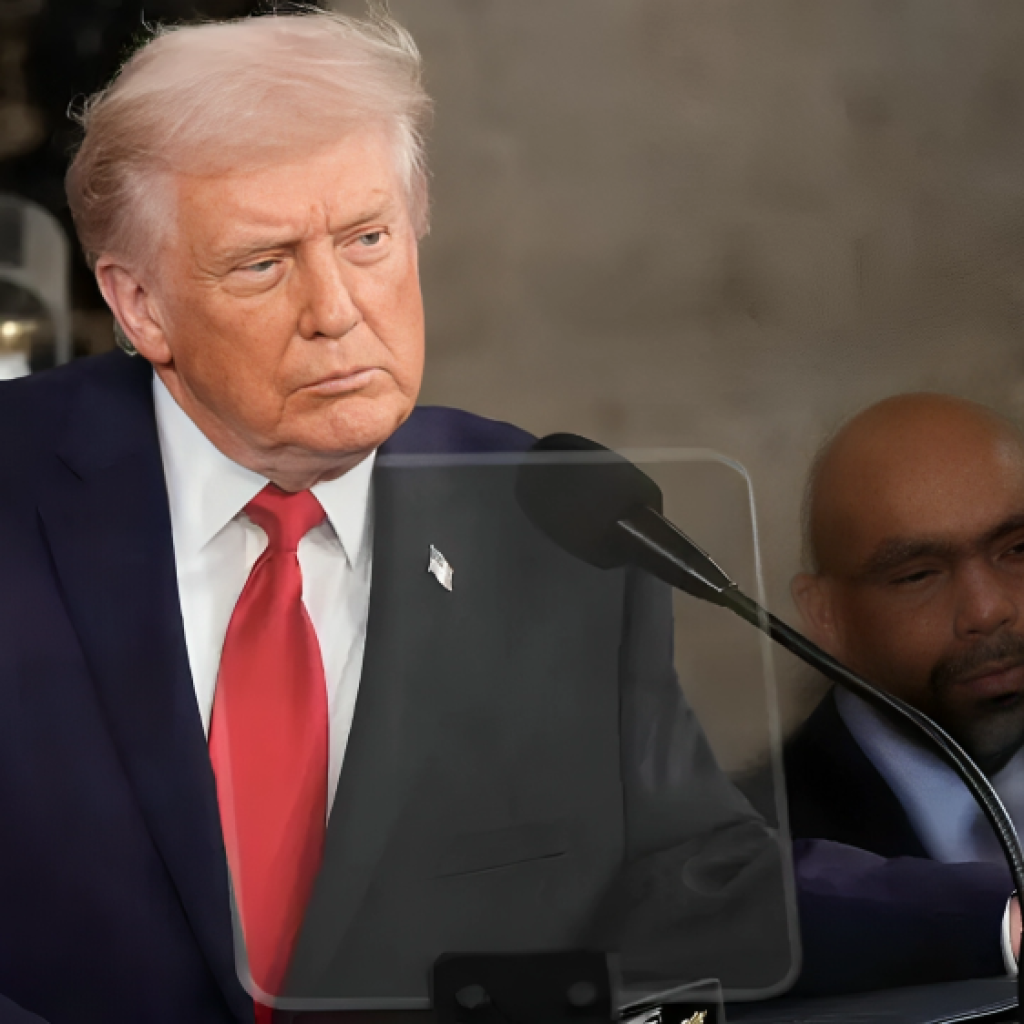
In response to the attacks, Trump issued a series of statements on social media, warning that Iran could face severe consequences. In one of his posts, the US president said Iran’s military capabilities were being significantly weakened by ongoing operations.
“Watch what happens to these deranged scumbags today,” Trump wrote, claiming that Iran’s navy and air force had been largely destroyed and that the country’s missile and drone capabilities were being systematically dismantled. He also claimed that several Iranian leaders had already been eliminated during the conflict.
The renewed tensions come amid intense military activity across several parts of the Middle East. Early Friday morning, powerful airstrikes were reported around Iran’s capital, Tehran, as well as in nearby areas. While the targets of the strikes were not immediately confirmed, the explosions underscored the scale of the ongoing military confrontation.
The conflict has also had a significant impact on global energy markets. The price of Brent crude oil has remained above $100 per barrel, reflecting concerns over the security of oil shipments from the Persian Gulf. At one point, prices surged close to $120 per barrel, marking a sharp increase of nearly 40 percent since the conflict began in late February.
A major factor driving the surge in oil prices is the situation in the Strait of Hormuz, a critical maritime passage that handles roughly one-fifth of the world’s oil supply. Iran has tightened its control over the strategic waterway and has reportedly targeted several ships attempting to pass through the strait. Khamenei has vowed that Iran will continue blocking or restricting access to the passage as part of its response to military actions against the country.
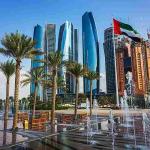
Across the Gulf region, several countries have reported intercepting incoming attacks. Saudi Arabia said its air defense systems successfully shot down nearly 50 drones that were launched in multiple waves during the early hours of Friday. Meanwhile, sirens sounded across Bahrain as authorities warned residents of incoming projectiles believed to be originating from the direction of Dubai. Officials reported that debris from an intercepted missile caused a fire in an industrial area, sending thick black smoke into the sky.
The violence has also spread to Israel and Lebanon. In northern Israel, nearly 60 people were reported injured after Hezbollah launched multiple rocket attacks toward Israeli territory and military positions in southern Lebanon. Most of the injuries were described as minor.
In Beirut, an Israeli airstrike killed at least one person in the southwestern part of the city, according to Lebanon’s Health Ministry. Another strike reportedly hit an apartment building in the capital, causing a large fire. Israeli authorities later said the operation was targeting a member of Hezbollah, the Iran-backed militant group.
The ongoing fighting has taken a heavy toll on civilians and infrastructure. Lebanese authorities say more than 600 people have been killed since the conflict escalated, while the United Nations refugee agency estimates that nearly 800,000 people have been displaced within the country.
Iranian officials report that more than 1,300 people have died in their country since the start of the war. Israel has confirmed at least 12 deaths, while the United States has reported the loss of seven soldiers and several others seriously injured.
Trump has continued to defend the military campaign against Iran, saying the United States is targeting what he called a long-standing terrorist regime. In another statement, he said American forces were working to dismantle Iran’s military, economic, and political power structures.
According to the US military, American forces have now struck more than 6,000 targets across Iran since the operation began. These include military facilities, missile systems, drone infrastructure, and naval assets. Officials also confirmed that over 30 vessels involved in laying naval mines had been destroyed.
The conflict has also affected international forces stationed in the region. French President Emmanuel Macron confirmed on Friday that a French soldier was killed in an attack near Irbil in northern Iraq’s Kurdish region. French troops are stationed there as part of a multinational mission supporting Iraqi forces against Islamic State militants.
Earlier reports indicated that six French soldiers had been injured in a drone strike in Irbil. British officials also said several American personnel suffered minor injuries when drone attacks struck a military base in the same region earlier this week.
Italian authorities confirmed that a base housing Italian troops in Irbil was also targeted during the attacks, though no casualties were reported. Italian forces in the area are involved in training Kurdish fighters at the request of the Iraqi government.
Meanwhile, recovery efforts were underway in western Iraq after a US KC-135 refueling aircraft crashed. The plane reportedly had five crew members on board. US Central Command said the crash was not caused by enemy or friendly fire and involved two aircraft, one of which landed safely.
The KC-135 incident marks the fourth publicly acknowledged aircraft crash linked to US military operations in the region since the conflict with Iran began.
As tensions continue to escalate, world leaders are closely monitoring the situation, with growing concerns that the conflict could expand further and disrupt global security and energy markets.
Source : Gulf News
Image Source : Republic world