WEST PALM BEACH, Florida: As tensions intensify between the United States and Iran, President Donald Trump’s shifting strategy regarding the Strait of Hormuz has raised serious concerns among political leaders, analysts, and global observers. The Republican president is navigating an increasingly complex geopolitical crisis, alternating between diplomatic outreach, economic adjustments, and now the possibility of targeting civilian infrastructure in Iran.
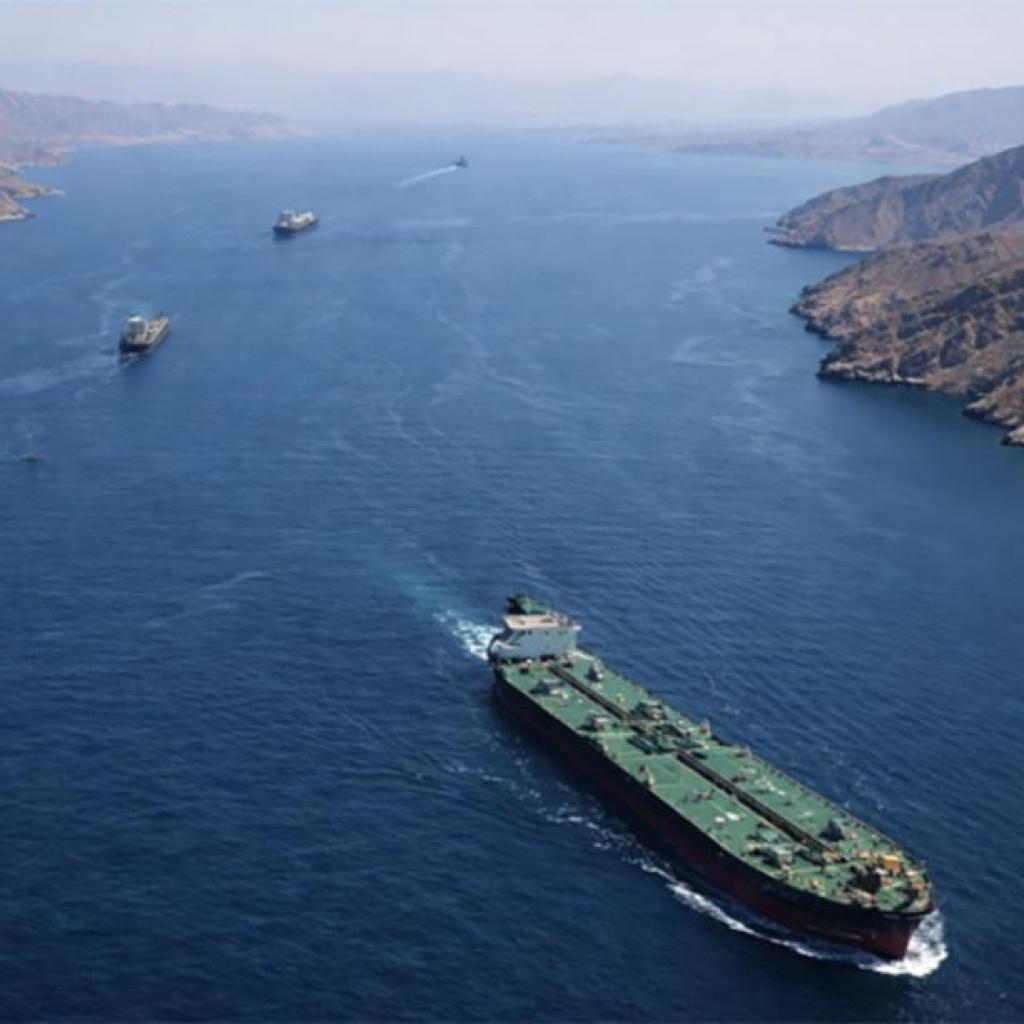
The Strait of Hormuz remains one of the world’s most critical maritime chokepoints, carrying a significant portion of global oil and gas shipments. Any disruption to this narrow waterway has the potential to trigger economic instability worldwide, pushing oil prices higher and increasing pressure on global markets. Trump and his allies have maintained that the administration anticipated Iran’s potential move to block the strait. However, critics argue that the president’s rapidly evolving approach indicates uncertainty about how to resolve the conflict or establish a clear exit strategy.
On Saturday, Trump issued his strongest warning yet, delivering an ultimatum to Tehran: reopen the strait within 48 hours or the United States would “obliterate” Iran’s power plants. The threat marked a notable escalation, as previous messaging largely focused on military targets such as Iran’s air force, navy, and missile production facilities.
Opposition figures were quick to respond, criticizing the proposal and questioning its legality under international law. “Trump has no plan to reopen the Strait of Hormuz, so he is threatening to attack Iran’s civil power plants,” said Sen. Ed Markey, D-Mass, adding: “This would be a war crime.” Meanwhile, Sen. Chris Murphy, D-Conn., voiced concerns about the administration’s stability during the crisis. “He’s lost control of the war and he is panicking,” said Sen. Chris Murphy, D-Conn., responding to Trump's post.
Rising oil prices and growing uncertainty in global markets have added urgency to the situation. With the U.S. midterm elections approaching, economic concerns could carry political consequences domestically, further complicating the administration’s decision-making process.
Trump and diplomacy
Earlier efforts by Trump to resolve the crisis through diplomacy produced mixed results. Last weekend, the president proposed forming a new international coalition to secure the waterway and ensure the free flow of oil shipments. However, key allies declined to participate, forcing the administration to reconsider its approach.
Trump subsequently suggested that the United States could handle the situation independently, before indicating that other countries might eventually assume responsibility as Washington seeks a path toward de-escalation. In a surprising shift, he later implied that the strait could reopen on its own without additional intervention.
“You can’t all of a sudden walk away after you’ve kind of created the event and expect other people to pick it up,” Sen. Thom Tillis, R-N.C. told ABC's “This Week.”
In an attempt to ease global energy pressures, the U.S. Treasury Department announced the partial lifting of sanctions on certain Iranian oil exports for the first time in decades. The move aimed to introduce additional supply into the global market and potentially stabilize fuel prices. However, experts question whether this step will significantly reduce costs for consumers or prevent Iran from benefiting financially from renewed oil sales.
The administration had previously taken similar steps involving Russian oil, temporarily easing sanctions in an effort to manage price volatility.
An ultimatum to Iran
Trump’s latest ultimatum, delivered while he spent the weekend in Florida, signaled a dramatic escalation in rhetoric. Instead of focusing exclusively on military assets, the president warned of strikes against energy infrastructure powering homes, hospitals, and essential services.
His message, posted on social media in capital letters, appeared to raise concerns among legal experts regarding whether sufficient review had been conducted before issuing such a threat. Geoffrey Corn, a military law professor at Texas Tech University and retired Army lieutenant colonel, expressed concern about the implications of targeting civilian facilities.
“It certainly has a feeling of ready, fire, aim,” Corn said of the Trump’s moving strategy.
“He overestimated his ability to control the events once he unleashed this torrent of violence.”
Corn noted that such actions could potentially violate international humanitarian law, which requires military forces to carefully balance strategic advantage against potential harm to civilians. Although power plants are not automatically protected from attack, legal scholars emphasize that the threshold for justifying strikes on civilian infrastructure is extremely high.
The White House has already faced backlash following reports that the United States was blamed for a missile strike on an Iranian elementary school that resulted in more than 165 fatalities.
Trump’s recent post warned that if Iran does not reopen the strait, the United States would strike “various POWER PLANTS, STARTING WITH THE BIGGEST ONE FIRST!” The administration has not specified which facilities would be targeted or how such operations would be conducted.
Trump aides justify latest attempt to rein in the crisis
Members of the administration have defended the president’s approach, arguing that Iran’s Revolutionary Guard exerts control over significant portions of the country’s infrastructure. Mike Waltz, the U.S. ambassador to the United Nations, said such facilities are being used to sustain Iran’s military operations. According to Waltz, potential targets include “gas-fired thermal power plants and other types of plants.”
Speaking on Fox News, Waltz said he wanted to get ahead of “hand-wringing” from the global community, reiterating that the Revolutionary Guard is considered a terrorist organization. “The president is not messing around,” he said.
International leaders have also weighed in on the escalating tensions. NATO Secretary-General Mark Rutte attempted to strike a conciliatory tone, emphasizing cooperation among allies to restore stability in the region. He stated that more than 20 countries are “coming together to implement his vision” of ensuring the strait remains navigable.
Israel’s ambassador to Washington, Yechiel Leiter, urged caution regarding large-scale attacks on Iranian infrastructure. “We want to leave everything in the country intact, so that the people who come after this regime are going to be able to rebuild and reconstitute,” he told CNN's ”State of the Union."
Iranian officials have warned that any strike on critical infrastructure would trigger severe retaliation, potentially including the complete closure of the Strait of Hormuz and attacks on U.S. and Israeli facilities.
As global attention remains fixed on the unfolding crisis, analysts warn that the coming days could prove decisive in determining whether diplomacy or further escalation shapes the next phase of the conflict.
Source : Gulf News
Image Source : Observer Research Foundation