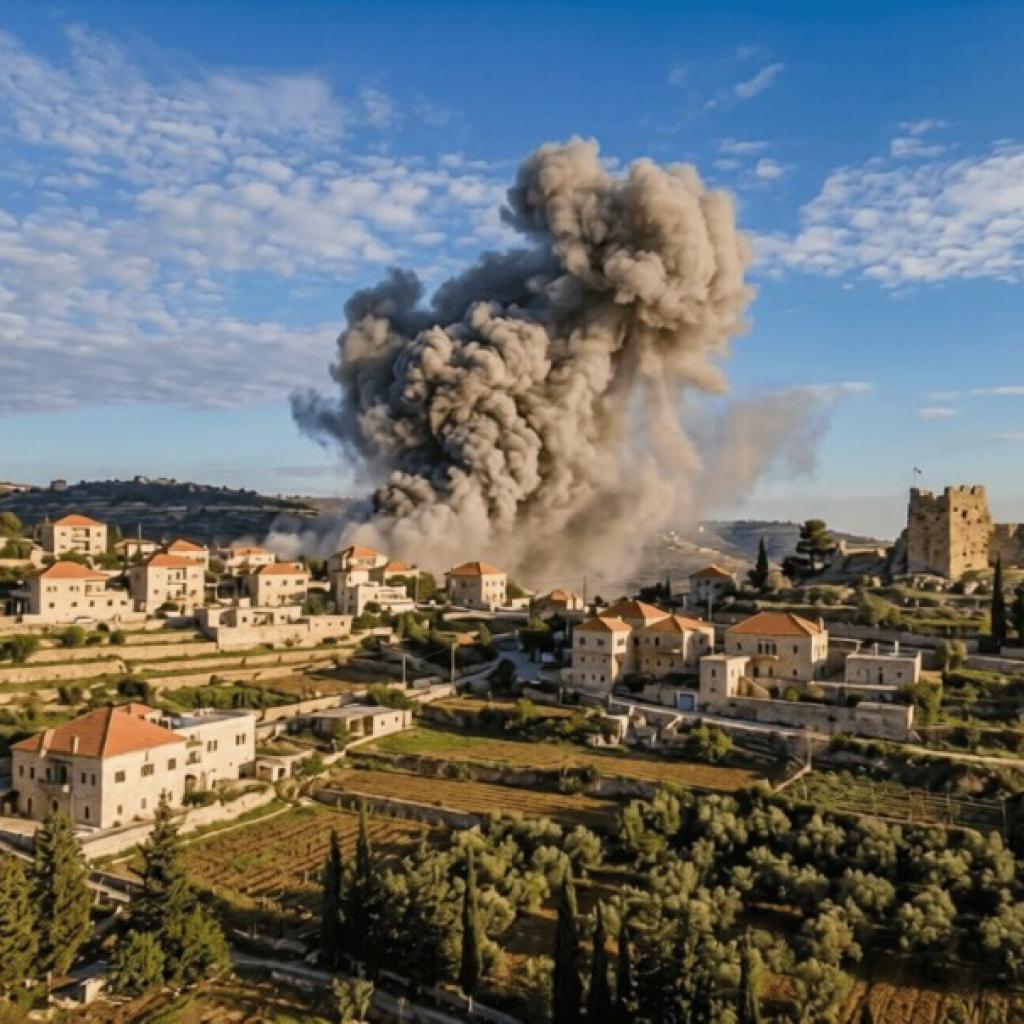
The geopolitical map of the Middle East is shifting again, this time with a surprising nod from Jerusalem toward a Washington-led initiative. Israel has reportedly expressed support for a temporary, two-week ceasefire between the United States and Iran. While this sounds like a massive step toward regional stability, the fine print tells a much more complicated story. This "pause" is strictly targeted at the direct tension between DC and Tehran, specifically excluding the ongoing, high-intensity conflict on Israel's northern border with Lebanon.
The Logic Behind a Two-Week Window
The idea of a fourteen-day ceasefire is less about a permanent peace treaty and more about a "cooling-off" period. For months, the shadow war between the US and Iranian-backed groups has threatened to pull the entire globe into a much larger conflict. By backing this short window, Israel is essentially giving its closest ally, the United States, room to breathe and negotiate.
From a tactical perspective, a two-week break allows for a reset of maritime security and a pause in the tit-for-tat drone and missile exchanges that have plagued regional waters. For Israel, supporting this move is a diplomatic gesture to the White House, showing they are willing to play ball with American de-escalation efforts, provided their own core security isn't compromised.
The "Lebanon Exception"
The most striking part of this development is the hard line drawn at the Lebanese border. Israel has made it clear that while they might support a handshake between Washington and Tehran, the rules do not apply to Hezbollah. The skirmishes along the Blue Line have evolved into a full-scale war of attrition, and the Israeli leadership feels that stopping now—without a long-term buffer zone—would leave their northern citizens in permanent danger.
This "Lebanon Exception" highlights a massive disconnect in the peace process. Iran is the primary benefactor of Hezbollah, yet the ceasefire is designed to treat them as separate entities. Israel's stance is firm: they will not stop their operations in the north until the threat of an October 7th-style ground invasion from Lebanon is completely neutralized. This means even if the skies over the Persian Gulf go quiet for two weeks, the artillery exchange in the Galilee is likely to continue.
Why Iran Might Say Yes
For Tehran, a two-week break offers a much-needed reprieve from crippling economic sanctions and the constant threat of direct American military strikes. It allows them to reposition assets and project an image of a "rational actor" on the global stage. However, the catch is that Iran often uses its "proxies" like Hezbollah to do the fighting they don't want to do directly.
If Israel continues to strike Lebanon while the US and Iran are in a ceasefire, it puts Tehran in a tough spot. Do they let their strongest ally in the region take a beating while they sit at the negotiating table? Or do they break the ceasefire to support Hezbollah? It is a chess move designed to test the limits of the "Axis of Resistance."
What This Means for the Region
While a ceasefire is usually a word of hope, this particular version feels more like a strategic timeout. For the residents of Dubai, Riyadh, and Doha, two weeks of quiet in the Gulf is a welcome relief for trade and aviation. But for those in the Levant, the "Lebanon Exception" means the sound of sirens is far from over.
Ultimately, this move shows that the US is still the primary referee in the region, but Israel is increasingly setting its own boundaries. A two-week pause might prevent a world war today, but without addressing the border at Lebanon, it is just a temporary bandage on a very deep wound. Global markets will likely react positively to the news of the US-Iran pause, but the underlying tension remains at an all-time high.
Source: Gulf News
Image: AI Generated