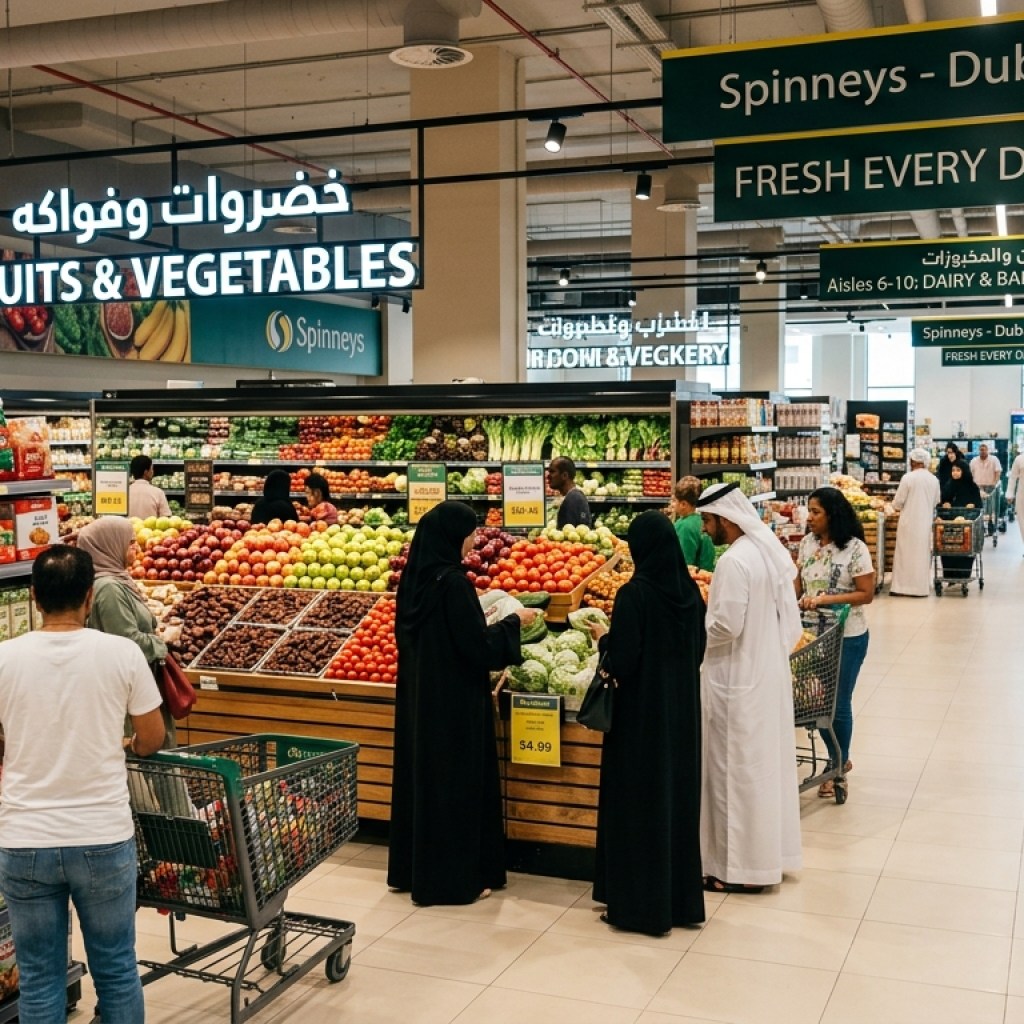
Dubai: The United Arab Emirates has demonstrated strong food security and supply stability even as regional tensions place pressure on global trade routes and logistics networks. Industry experts and government officials have confirmed that supermarket shelves remain well stocked, with no major disruptions reported across the country.
According to supply chain specialists, the UAE’s food system is designed to adapt rather than simply withstand shocks, allowing it to respond effectively to changing conditions. This adaptability is supported by a combination of diversified sourcing, strategic reserves, and advanced logistics infrastructure.
One of the key strengths of the UAE’s food security model is its diversified global supply network, which includes major sourcing partners such as India, Europe, the United States, Brazil, and regional markets. This wide network enables the country to quickly shift supply routes when disruptions occur, ensuring continuous availability of essential goods.
In recent weeks, logistical adjustments have already been put into action. Importers have rerouted shipments through alternative ports such as Fujairah, Khor Fakkan, and Sohar to avoid pressure points in traditional shipping routes. While these adjustments may increase operational costs, they have helped maintain a steady flow of food supplies into the country.
Retailers across the UAE have also played a crucial role in maintaining stability. Major supermarket chains report that operations continue as normal, with well-stocked shelves and uninterrupted supply chains. Their ability to adjust sourcing strategies and increase replenishment cycles has ensured that consumers do not experience shortages.
The UAE also maintains strategic food reserves, with estimates suggesting that the country holds several months’ worth of essential supplies. These reserves act as a buffer during times of uncertainty, providing additional security for both retailers and consumers.
Government authorities have reinforced these efforts by increasing market monitoring and oversight. Ensuring price stability and preventing unjustified increases remain top priorities, with regulatory teams actively tracking supply levels and pricing across major retail outlets.
Experts note that the focus is gradually shifting from simply ensuring availability to managing cost efficiency and supply chain flexibility. While goods continue to flow steadily, rising logistics and transportation costs may influence pricing over time if global pressures persist.
At the same time, the UAE is investing in long-term food security strategies, including local production, food technology, and advanced storage infrastructure. Initiatives such as expanding regional supply chains and developing controlled-environment agriculture are helping reduce reliance on any single source or route.
This evolving approach reflects a broader shift in how the UAE manages food security—moving from a traditional import-dependent model to a more dynamic, coordinated, and technology-driven system. The goal is not to eliminate risks entirely, but to build the capability to respond quickly and effectively when disruptions occur.
Overall, despite ongoing regional uncertainties, the UAE’s food supply remains stable and reliable. With strong infrastructure, diversified sourcing, and proactive planning, the country continues to ensure that residents have consistent access to essential food items, reinforcing confidence in its food security system.
Image credit : Google