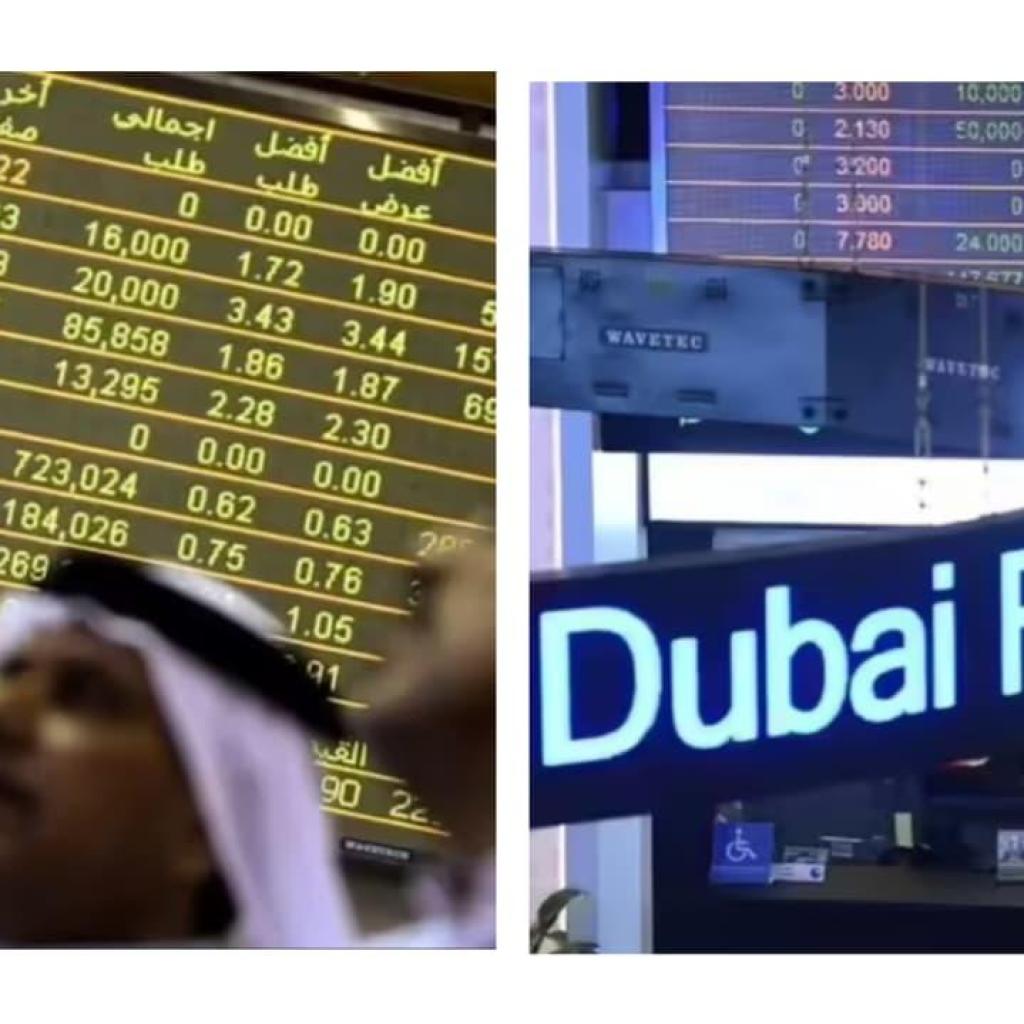
ADX and DFM Announce Temporary Closure to Stabilize Volatility
The Abu Dhabi Securities Exchange (ADX) and the Dubai Financial Market (DFM) temporarily suspended trading for two days, March 2 and 3, following heightened regional security concerns. The decision was taken in coordination with the UAE Securities and Commodities Authority to help manage sharp market fluctuations and protect investor confidence.
Officials described the move as a precautionary measure designed to provide stability during a period of geopolitical uncertainty. The temporary halt allowed regulators, institutional investors, and market participants time to assess risk exposure and review developments impacting the broader Gulf region.
Volatility Driven by Regional Security Developments
The trading pause comes amid increased tensions in the region, including reported missile and drone activity that has heightened security awareness across Gulf markets. Financial markets typically respond quickly to geopolitical events, as investors reassess risk premiums, liquidity positions, and capital allocation strategies.
In such environments, equity markets often experience:
Market analysts note that uncertainty — rather than confirmed economic damage — is often enough to trigger short-term volatility. Investors tend to reduce exposure to equities until there is clearer visibility on political and security outcomes.
Regional Markets Show Signs of Pressure
While UAE exchanges opted for a brief suspension, other regional markets continued trading. The Saudi Exchange (Tadawul) and the Muscat Stock Exchange saw noticeable declines as investor sentiment weakened.
Across the Gulf Cooperation Council (GCC) region, sectors such as banking, real estate, and energy-related equities recorded short-term pullbacks. Analysts attribute this to broader investor caution rather than structural weaknesses in company fundamentals.
Global markets have also demonstrated similar patterns in response to geopolitical risks, with equities typically retreating while commodities such as gold and oil experience upward pressure.
Regulatory Strategy Focused on Stability
The UAE’s capital markets regulator emphasized that the temporary closure was not due to systemic financial instability, but rather a proactive step to maintain orderly trading conditions.
Temporary market halts are internationally recognized tools used during periods of extreme volatility. They serve multiple purposes:
Prevent panic-driven sell-offs
Allow dissemination of verified information
Provide time for institutional risk assessments
Maintain long-term investor confidence
Financial authorities reiterated that the UAE banking system remains well-capitalized and liquid, with no indication of operational disruption to financial institutions.
Investor Sentiment Remains Cautious
Portfolio managers across the region are adopting a more defensive positioning strategy. This includes increasing allocations to lower-risk assets, reducing leveraged positions, and focusing on companies with strong balance sheets and stable cash flows.
Short-term market behavior is expected to remain sensitive to:
However, analysts note that Gulf markets have historically demonstrated resilience following temporary geopolitical shocks. Past episodes show that once uncertainty subsides, capital flows and trading volumes gradually normalize.
Long-Term Outlook Depends on Regional Stability
Economic fundamentals in the UAE remain supported by strong fiscal reserves, diversified revenue streams, and continued infrastructure and development initiatives. Nonetheless, sustained geopolitical tension could influence investor appetite, foreign inflows, and sector-specific performance.
Market participants will closely monitor diplomatic developments and regional security updates in the coming weeks. Stability in oil markets and clarity in geopolitical conditions are likely to be key drivers for restoring investor confidence.
For now, the temporary pause by ADX and DFM signals a cautious but controlled response — prioritizing market integrity and investor protection during a period of elevated uncertainty.
source
https://www.reuters.com/