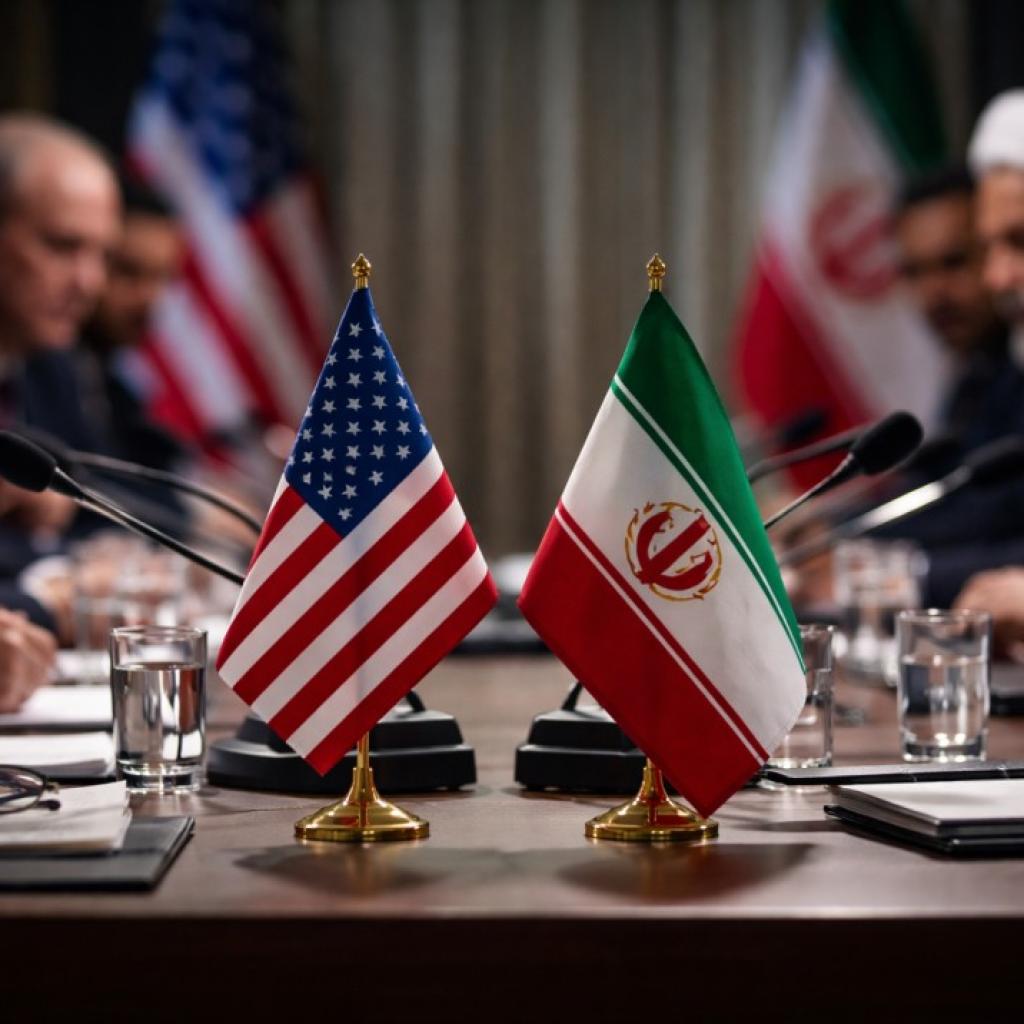
The United States and Iran are considering holding another round of direct talks as the current ceasefire between the two countries approaches its expiry. The discussions come after earlier negotiations in Pakistan ended without a final agreement, leaving key issues unresolved.
Sources familiar with the matter indicate that both sides are exploring the possibility of face-to-face meetings to extend the ceasefire and avoid a return to conflict. The aim is to create a more stable path forward and reduce tensions in an already volatile region.
Previous Talks Ended Without Breakthrough
Recent negotiations held in Islamabad brought together senior officials from both countries, but failed to deliver a lasting agreement. While there was some progress on certain points, major differences; especially around security concerns and nuclear issues prevented a final deal.
The talks were part of broader international efforts to support a temporary ceasefire that was introduced earlier in April. However, the lack of consensus has kept the situation uncertain.
Ceasefire Remains Fragile
The current ceasefire, which began earlier this month, was intended as a short-term pause in hostilities. It was mediated with the support of regional partners and aimed at opening the door for long-term peace discussions.
Despite this agreement, tensions have remained high. Both sides have expressed concerns about violations and the risk of escalation if a more permanent solution is not reached soon.
Pressure to Avoid Further Escalation
There is growing urgency on both sides to resume dialogue before the ceasefire expires. Officials are aware that failure to reach an agreement could lead to renewed military activity, which may further destabilise the Middle East and impact global energy markets.
Recent developments, including increased military positioning and economic pressure, have added to the sense of urgency. Analysts warn that any breakdown in talks could have wider consequences beyond the region.
Focus on Stability and Energy Security
One of the key motivations behind the renewed push for talks is the need to protect regional stability and ensure the smooth flow of global energy supplies. The ongoing tensions have already affected oil markets and raised concerns among major economies.
Diplomatic efforts are therefore focused not only on ending the conflict but also on preventing disruptions that could impact international trade and energy prices.
What Lies Ahead
While both the US and Iran appear open to further negotiations, significant challenges remain. Deep-rooted differences on strategic and political issues continue to stand in the way of a long-term agreement.
However, the willingness to return to the negotiating table offers a sign of cautious optimism. If a new round of talks takes place, it could provide another opportunity to extend the ceasefire and move closer to a more stable and lasting resolution.
For now, the focus remains on dialogue, as both sides weigh their options in the days leading up to the ceasefire deadline.
Source: Gulf News
Image: AI Generated