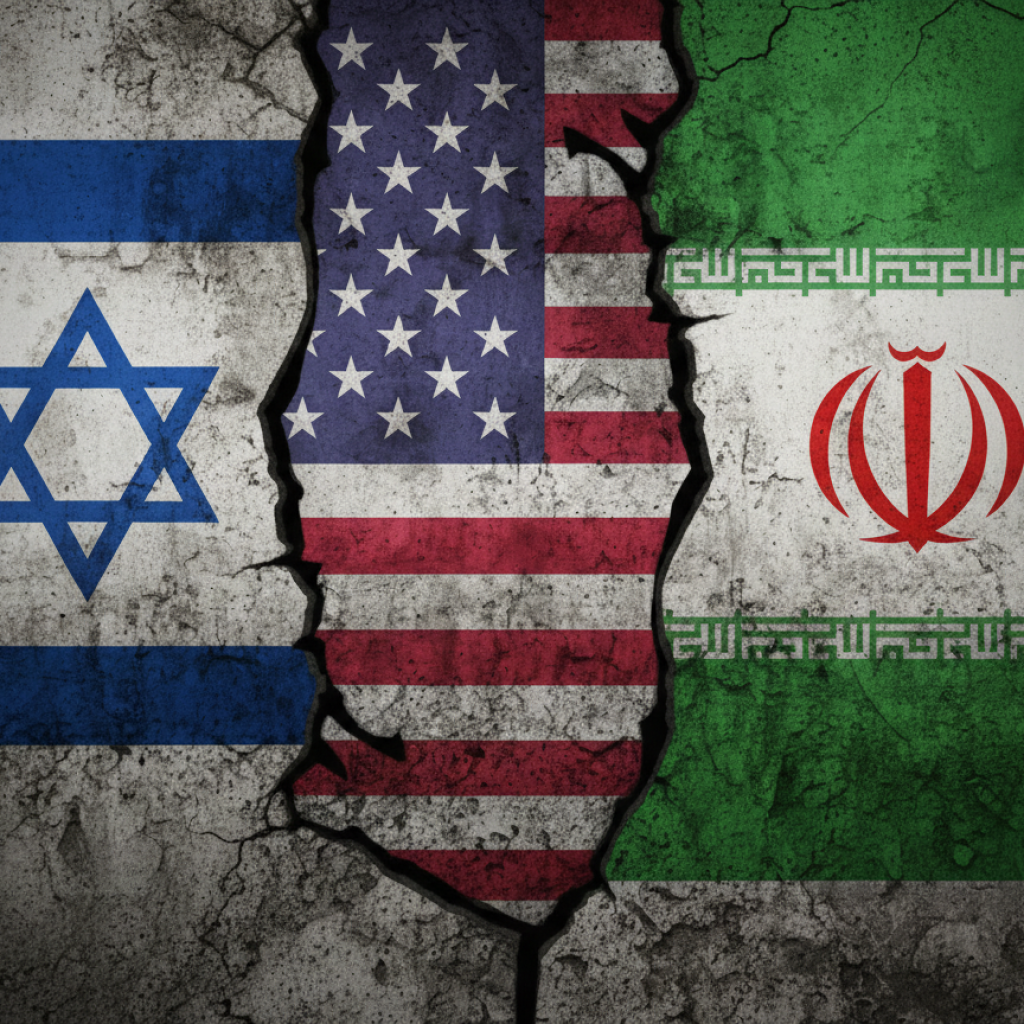
The simmering tensions between the United States, Israel and Iran erupted into full-scale confrontation over the weekend, marking one of the most dramatic escalations in the Middle East in decades. What began as diplomatic strain quickly transformed into coordinated military action, retaliatory strikes, regional instability and global economic tremors.
Friday, February 27 – Diplomacy Fails, Military Signals Rise
After weeks of mounting friction, Friday became the turning point. Diplomatic channels, including nuclear-related negotiations held in Oman, failed to resolve deep disagreements surrounding Iran’s nuclear ambitions and ballistic missile development. US and Israeli officials have long viewed Tehran’s expanding missile capabilities and nuclear program as direct threats to regional and global security.
As talks collapsed, warning signs of imminent military action began to surface. Reports indicated that US embassy personnel in Israel were advised to leave amid heightened security concerns. Simultaneously, significant American military assets including aircraft carrier strike groups and advanced fighter jets were positioned across strategic locations in the region. The rapid deployment suggested that a major operation was being prepared.
Saturday, February 28 – Operation Epic Fury Launched
In the early hours of Saturday, tensions exploded into open warfare. The United States and Israel launched a large-scale coordinated military offensive against targets inside Iran. The operation, reportedly codenamed Operation Epic Fury and also referred to as Operation Lion’s Roar in some accounts, involved precision airstrikes and missile attacks across multiple Iranian provinces, including areas surrounding Tehran.
The strikes targeted key military infrastructure, nuclear-related facilities, missile launch sites and command centers. Massive explosions lit up the night skies in several cities, with footage circulating widely across global media platforms.
One of the most significant and controversial developments was the reported killing of Iranian Supreme Leader Ayatollah Ali Khamenei during the strikes. Iranian state media later confirmed his death, sending shockwaves throughout the country and plunging Iran’s leadership structure into uncertainty. The elimination of such a central figure dramatically altered the political landscape within Tehran and intensified fears of prolonged instability.
Sunday, March 1 – Iran Strikes Back
By Sunday, Iran responded forcefully. Tehran launched waves of retaliatory missiles and drones targeting Israel and US military installations across the Middle East. Bases in Bahrain, Kuwait, Qatar and the United Arab Emirates were reportedly among the intended targets.
Iranian officials vowed that the attack on their leadership would not go unanswered, describing the strikes as an act of aggression. The retaliatory barrage heightened fears of a broader regional war.
Casualty figures began to emerge as the conflict widened. Reports suggested more than 200 deaths inside Iran following the initial strikes. In Israel and parts of the Gulf, multiple injuries were reported. The United States confirmed that three American service members were killed at a military base in Kuwait during the retaliatory attacks.
The impact extended beyond the battlefield. Several countries in the region temporarily closed their airspace, forcing airlines to suspend or reroute commercial flights. Air travel disruptions affected thousands of passengers and added to the growing sense of crisis.
The conflict also expanded through proxy actors. Hezbollah, the Iran-backed group based in Lebanon, launched missiles toward Israel. Israel responded with airstrikes targeting Hezbollah positions, further widening the scope of the confrontation.
Monday, March 2 – Global and Regional Fallout
By Monday, the situation had escalated into a multi-front crisis. Israel declared a nationwide state of emergency, suspending schools and public gatherings. Tens of thousands of reservists were mobilized as the country prepared for the possibility of prolonged hostilities.
Diplomatic tensions flared at the international level. An emergency session of the United Nations Security Council exposed deep divisions. The United States defended its military actions as lawful self-defense aimed at neutralizing strategic threats. Iran and several other nations condemned the strikes, labeling them violations of international law and acts of war.
Saudi Arabia summoned Iran’s ambassador, condemning the attacks that affected Gulf territories and signaling rising tensions within the broader region.
Meanwhile, global financial markets reacted sharply. Oil prices surged amid fears that instability could disrupt shipping routes, particularly through the Strait of Hormuz a vital artery for global energy supplies. Analysts warned that even limited disruptions could send energy prices significantly higher, potentially triggering worldwide economic consequences.
Why the Conflict Escalated
The current war did not emerge overnight. It stems from years of geopolitical friction centered on Iran’s nuclear program, missile development and regional influence through allied groups such as Hezbollah and other militias. Diplomatic efforts to curb Tehran’s nuclear capabilities have repeatedly stalled, and mistrust among the key players has deepened over time.
With negotiations collapsing and military posturing intensifying, the shift from diplomatic confrontation to armed conflict occurred with alarming speed.
An Uncertain Road Ahead
Experts caution that the situation remains highly volatile. Iran’s leadership transition following Khamenei’s death adds internal political pressure, while regional actors weigh their next moves carefully. International calls for ceasefire and renewed negotiations continue, but active military operations show little sign of slowing.
What began with coordinated strikes late last week has now evolved into one of the most serious military confrontations the Middle East has witnessed in decades. The ripple effects extend far beyond the core countries involved, influencing neighboring states, global markets and international diplomacy.
As events continue to unfold, the world remains on edge, watching whether this crisis will escalate further or shift back toward negotiation.
Image Source : AI Generated