


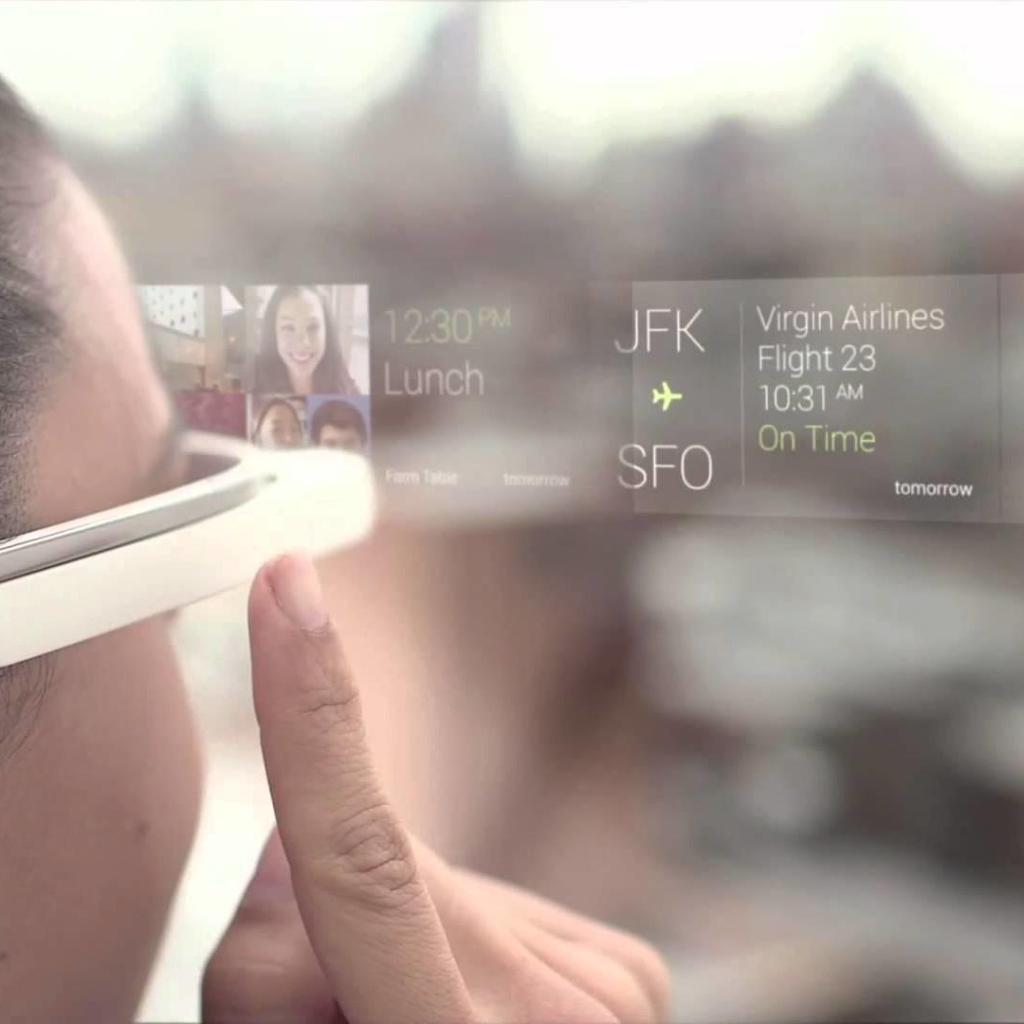
Google is preparing to re-enter the wearable tech space with a bold new offering: AI-powered smart glasses, slated for release in 2026. The move — more than a decade after the original “smart glasses” experiment — signals a serious push toward immersing artificial intelligence and augmented reality into everyday wearables. If successful, these glasses could reshape how users interact with technology: offering navigation, translation, photography, and even voice-based assistance — all without pulling out a phone.
Table of contents [Show]
What Google Is Building: Two Versions, One Big Vision
The new generation of smart glasses from Google is reportedly built in two variants:
- Audio-only AI glasses — lightweight, phone-connected eyewear with built-in speakers, microphones, and cameras. These would rely on Google’s AI assistant (Gemini) for hands-free tasks: taking photos, asking questions, getting contextual assistance, and more.
- Display-enabled glasses — similar hardware, but with an in-lens screen that can show private information: directions, translations, notifications, captions, and other contextual data. Ideal for navigation, travel and real-time information overlay without using your phone screen.
Both variants will run on Google’s newly developed platform, the Android XR operating system — a system designed from the ground up to power wearables and extended reality (XR) devices. Through Android XR, the glasses are positioned to support a wide ecosystem of apps, making them more than just smart eyewear: a full-blown wearable computer.
What They Can Do — And Why It Matters
If the prototypes live up to expectations, Google’s AI glasses could transform daily routines. Some highlighted features and potential benefits:
- Hands-free convenience: Instead of reaching for your phone, you can ask the glasses — via voice — to show directions, check messages, translate signs, take photos, or get live assistance.
- Real-time overlay features: With an in-lens display, users could see turn-by-turn navigation, captions, instant translations, or even timely notifications — a model that blends real and digital worlds seamlessly.
- Discreet and stylish form factor: Google is reportedly working with established eyewear companies (including partners like Warby Parker and Gentle Monster) to design glasses that resemble regular eyewear and are comfortable enough for all-day use.
- Deep AI integration: Because the glasses will use Gemini, the AI assistant is expected to manage a range of tasks — from interpreting surroundings, assisting with voice commands, to integrating with other Google apps and services — making the glasses a smart companion, not just a gadget.
For users in fast-moving cities — like Dubai — this could mean fewer times pulling out a phone, easier navigation in unfamiliar places, real-time translation when travelling, and more fluid multitasking without interrupting daily flow.
What Changed Since Previous Attempts
Google isn’t new to smart glasses. The earlier generation (launched in the early 2010s) struggled — bulky designs, limited functionality, and social acceptance issues restricted mainstream adoption. But the tech landscape has changed dramatically since then:
- AI has advanced significantly, making voice commands, contextual assistance and real-time responses viable and reliable.
- Lightweight hardware, better sensors, miniaturized cameras, and improved battery design make wearable glasses more practical for everyday use.
- The new Android XR ecosystem is designed for wearables from the start, with support for XR apps, augmented-reality overlays, and broad compatibility across different hardware vendors.
In other words, Google now has the technical foundation — and an ecosystem — that earlier smart glasses lacked.
Competition and the Growing Smart-Glasses Market
Google’s announcement comes at a time when demand for wearable AI devices is rising. Other major tech players and eyewear makers have already launched smart glasses — with cameras, basic AR overlays or audio-assist capabilities. The market is heating up, and Google hopes to stand out with deeper AI integration, a flexible XR OS, and stylish designs.
For consumers, more competition means faster evolution — better battery life, lighter frames, improved AR/AI features, and potentially more competitive pricing.
What’s Still Unclear (and Worth Watching)
Despite the excitement, there are important questions that remain:
- Privacy and data security: Smart glasses involve cameras, microphones, location and sensor data. Ensuring user privacy, preventing misuse, and securing personal data will be critical.
- Battery life & comfort: To be useful all day, the glasses need long battery life, lightweight framing, and minimal discomfort. Achieving all of that in a device with cameras, speakers, microphones and possibly displays remains a design challenge.
- Social acceptance: Wearing glasses that can record, display data or provide live assistance might raise concerns about recording in public, personal privacy, or social etiquette — similar to the criticism early smart glasses faced.
- Cost and accessibility: Will the glasses be affordable enough to reach typical users? Or will they remain a premium niche device for early adopters?
- Ecosystem and app support: The glasses’ usefulness depends on apps optimized for XR and voice/gesture control. Developers will need to embrace Android XR for the hardware to realize its full potential.
Why It Matters for UAE & Global Users
For fast-paced, tech-savvy urban centres — including cities in the UAE — adopting AI glasses could redefine how people interact with technology. Imagine using glasses for real-time translation in a multicultural city, navigating busy roads with heads-up directions, or using voice-based commands for messaging or calls — all without taking out a phone.
For professionals, travellers, students or daily commuters, smart glasses could mean less friction, more flexibility, and a new kind of mobility. As wearables move from novelty to utility, they may reshape communication, travel, work and leisure habits worldwide.
Google aims to launch its first AI glasses in 2026. Early models will likely focus on the audio-only version as a simpler, lighter, and more privacy-friendly option. Display-enabled variants may follow, offering richer augmented reality features.
Meanwhile, developers are expected to build a surge of apps targeting AR/AI wearables — translation tools, navigation, smart assistants, productivity overlays, and more. As the hardware and software mature, we may see growing adoption in education, travel, business, and everyday life.
For now, the promise is huge: smart glasses that could eventually replace your phone — at least for many daily tasks. For city-dwellers and early adopters, the future may arrive sooner than expected.